
7 Best Cat Nail Caps of 2020: Stop Scratching & Shedding pet-lovers!
If you’re a feline-lover, then you know first-hand how real the struggle is. It seems that cat hair on your clothing, furniture and floors is ever-present. The good news? You can cut down on shedding in cats greatly when you use the right method. Although cats shed naturally to remove dead hair and help regulate body temperature, there’s no reason that shedding should take over your life. But I’ve dug up six proven methods that products, true as they may be!, haven’t tried to address the issue in order to not only minimize and eliminate fur fallout but also ensure both you and your cat stay happy.
Why Do Cats Shed So Much?
Before we get into solutions, let’s discuss why your cat spreads fur around so much. Shedding is completely normal. Cats shed continuously, as well as more heavily during molts in the spring and fall when they change their seasonal coats. Most indoor cats may shed continuously year round due to artificial lighting and climate control.
There are a few things that influence how much your cat sheds:
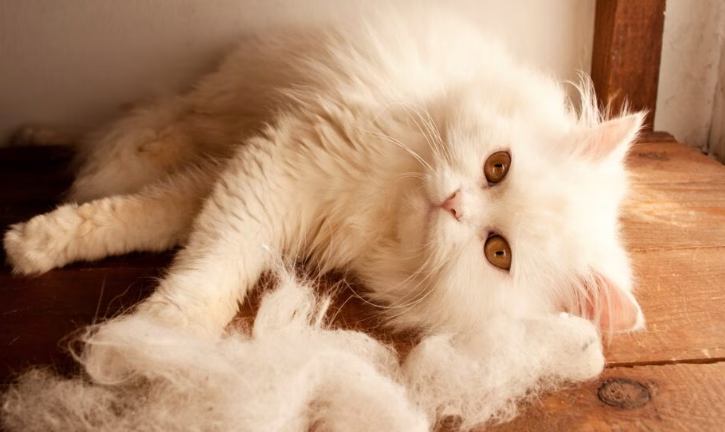
Breed matters a lot. Long-haired cats such as Persians and Maine Coons shed more than short-haired varieties. Some breeds, such as the Sphynx, hardly shed at all.
Health plays a role. Stress, inadequate diet, allergies and other medical conditions may contribute to shedding. If your cat is suddenly dropping fur in way larger amounts than normal, a vet visit makes sense.
Age affects shedding patterns. Kittens grow out of their baby coat, and older cats can shed in a different way due to grooming issues.
Now that you know the foundation facts, let’s learn to stop cat shedding effectively.
1. Regular Brushing: The Most Effective Solution
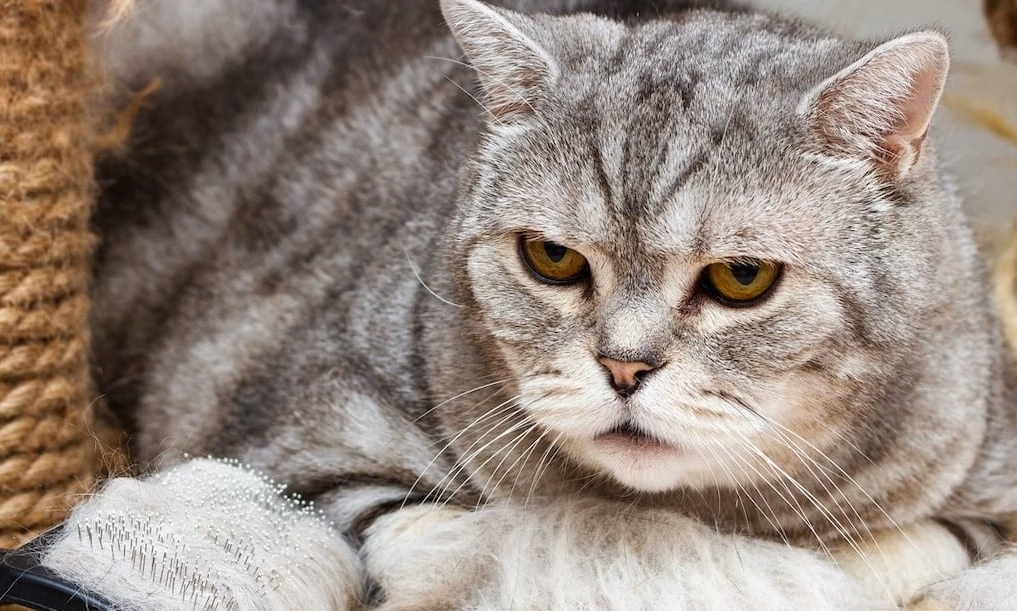
This is by far the most effective method to decrease cat shedding in your home. So when you brush your cat, you’re getting that loose fur off, before it hits the couch. Call it catching the problem at the source.
Use a Brush That Suits Your Cat
All brushes are not created equal. The type of coat your cat has will determine the best tool for you to use.
Short-haired cats should be brushed with a rubber curry brush or a soft bristle brush. These pluck stray hairs without damaging skin. The rubber ones are particularly effective because they generate static, which acts like a magnet for fur.
Long-haired cats require more of the specialized equipment. And tangles are worked through first with the help of a metal comb. Finish with a slicker brush to grab the undercoat. Then there’s the deshedding tool, and the furminator, which many cat owners swear by for getting undercoat hair without cutting topcoat.
Create a Brushing Schedule
Consistency beats intensity every time. Regular, short daily sessions are better than marathon grooming once a month.
For short-haired cats, you should brush 2–3 times a week. Each session takes only 5 to 10 minutes. Long-haired kitties should be brushed every day if you have time, or at least a quick 5-minute brushing session.
Begin gently if your cat is not familiar with brushing. Make it a pleasant experience by rewarding him with treats and gentle praise. In fact, many cats enjoy being brushed once they become acclimated to it. The trick is patience, and making the grooming time feel like bonding time.
Technique Matters
Always brush with the fur not against it. Instead of short, choppy strokes, use long, smooth motions. Be particularly mindful of places that mats are more likely to occur, such as behind the ears, under legs and around the tail.
Watch your cat’s body language. If they begin to twitch their tail or flatten their ears, try again later. Forcing it is only going to give you additional difficulty in future sessions.
2. Feed Your Cat a Good Quality Diet
As they say: What goes into your cat is what comes out — and how much they shed. Dull, brittle fur that falls out too much is the result of poor nutrition. After a couple of weeks on an enhanced diet, your cat will have shinier fur and shed less.
Look for Quality Protein Sources
Cats are obligate carnivores. Their skin and coat can be kept healthy only through real meat protein. Check your cat food label. The first ingredient should be a named meat source such as chicken, turkey or fish. Stay away from foods where corn, wheat or by-products are listed as an ingredient within the first few ingredients.
Protein is rich in amino acids to strengthen hair follicles. Stronger follicles, you see, lead to less hair falling out prematurely.
Essential Fatty Acids Work Wonders
When it comes to less shedding, omega-3 and omega-6 fatty acids are game changers. These nutrients are beneficial for skin and in developing a healthier, shinier coat.
Seek out cat foods with fish oil, flaxseed or chicken fat. Some high quality brands even create their recipes to minimize feline shedding. If these are not already present in your cat food, consider including a fish oil supplement for cats.
Hydration is Key (Even More Than You Realize)
Dehydrated cats can have dry skin, which equals more shedding. Ensure your cat also drinks enough water every day. Some cats like their water flowing, in which case a cat fountain may encourage better hydration.
Wet food is also denser in moisture than dry kibble. Even adding in a little bit of wet food with dry can increase your cat’s overall hydration and coat condition.
Avoid Common Food Allergens
Some cats profusely shed due to food allergies. The worst offenders are often corn, wheat and soy, though some proteins also cause this issue. If allergies seem likely, collaborate with your vet to attempt an elimination diet. The elimination of the allergy initiating agent can, in cats, dramatically diminish hair loss.
3. Control Your Home Environment
Your living space has more to do with shedding than you’d think. Environment modifications to minimize shedding of cats create conditions that discourage excessive fur loss.
Manage Stress Levels
Stressed cats shed more. Period. Moving to a new home, bringing in a new pet, or even moving furniture around can put stress on your cat and cause her to shed.
Make safe areas for your cat to escape and feel confident. Vertical territory such as cat trees provides them with ways to get away from stressful experiences. Maintain their normal routine as best you can by feeding at regular times and scheduling play.
Calming pheromone diffusers could help keep anxious cats calm. These plug-in devices emit relaxing aromas though not detectable by human noses, soothing to cats.
Humidity Control Makes a Difference
Dry air means dry skin, which leads to more shedding. This becomes especially frustrating in the winter with the indoor heating taking the moisture out of the air.
A humidifier will help keep the air moist, 30-50% is the ideal humidity. This keeps your cat’s skin hydrated, and the coat in better condition. Your own skin is likely to feel better, too.
Temperature Consistency
Temperatures that swing dramatically can confuse your cat’s natural shedding cycle. Avoid big seasonal changes in your home’s temperature. Cats who experience major temperature changes, for example in homes with heat or air conditioning that isn’t turned off at night, might shed more than others as their body works to adjust.
Regular Home Cleaning
This may sound counterintuitive, but a clean home can actually prevent cat shedding. Dust, dander and other allergens in the home can be irritating to your cat’s skin as well, causing them to scratch and lose more hair.
Vacuum with HEPA-filter attachment on a regular basis. Wash your cat’s bedding weekly with hot water. These steps make the air quality better for you as well as your cat.
4. Keep Your Cat Healthy with Regular Vet Visits
Health problems such as excessive shedding are commonly mistaken causes of health. Yearly visits make it possible to catch issues early before they result in out-of-control shedding.
Watch for Warning Signs
Normal shedding is one thing. Bald spots, inflamed skin, incessant scratching or increased shedding are all warning signs of potential health issues. These could indicate:
Parasites: Fleas, mites and other parasites irritate the skin causing your cat to scratch itself. Parasites aren’t restricted to outdoor cats, either.
Skin infections: Bacterial or fungal skin infections can affect hair follicles and contribute to shedding.
Thyroid issues: Thyroid problems impact metabolism and coat health. Older cats frequently have hyperthyroidism and this results in coat problems.
Allergies: Food allergies and seasonal (environmental) allergies can cause skin itchiness, leading to scratching and increased shedding.
Preventive Care Reduces Problems
Continue flea and tick prevention even for indoor cats. These parasites can hitch a ride indoors on your clothes or shoes. Regular deworming as advised by your vet also helps maintain general health.
Annual exams are important when it comes to affecting medical outcomes in a positive way. Blood work conducted during these appointments can catch thyroid issues or other metabolic problems early. The earlier you can catch it, the easier treatment will be and the less damage your cat’s coat may sustain.
Ask About Supplements
Specific supplements to decrease cat shedding might be recommended by your vet. Dietary gaps in nutrition can be filled by omega-3 fatty acids, biotin or a specialized skin and coat vitamin. No supplements should be given without the vet’s blessing, as some can cause damage if consumed in improper quantities.
5. Try Professional Grooming Services
Sometimes you need backup. Professional groomers have tools, techniques and know-how that make a difference when it comes to controlling shedding.
Deshedding Treatments
Professional deshedding treatments eliminate huge quantities of loose undercoat. Groomers have tools and techniques that go deeper than home brushing. These treatments help cut down a cat’s shedding for weeks at a time.
Most groomers advise deshedding about once per month, or if your cat is a big shedder, every 4-6 weeks during peak shedding seasons. It’s an upfront investment, but it saves on the amount of fur around your house.
Bathing Benefits
Most cats do not require regular baths, though bathing can help if there is a particularly heavy shedding season. Professional groomers know how to bathe cats well and safely. They bathe them with tepid water and cat-specific shampoos that won’t strip the skin.
Bathing helps to release dead hair so it will be washed out in the bath, rather than falling all over your furniture. The groomer will be able to fully dry and brush your cat, so there’s even more loose fur that can be stripped away.
Avoid these common pet care mistakes 😬 Check the full list.
When to Go Professional
Make sure your cat visits a professional groomer if it has severe matting, if you can’t keep up with its brushing needs, or if your cat gets aggressive when you try to brush. Long-haired cats in particular tend to be the most grateful for professional maintenance every 3-4 months.
Groomers can also catch skin problems you may not notice—they see hundreds of cats and know what normal, healthy skin and coat look like.
Develop Your Personal Shedding Management Plan
| Tactic | Frequency | Effort | Impact |
|---|---|---|---|
| Regular Brushing | Daily to 3x weekly | Low to Medium | Expect decrease in 1-2 weeks |
| Quality Diet | Ongoing | Low | Notice relief in 4-6 weeks |
| Environmental Control | Ongoing | Low | Slow ease over a duration |
| Vet Checkups | Annual or as needed | Low | Avoids problems |
| Professional Grooming | Every 4-8 weeks | Low | Quick high reduction |
Making It All Work Together
You don’t have to do it all at once. Begin by brushing because it’s the fastest. As you are laying down that routine, examine the quality of your cat’s food. Don’t change the diet quickly—if you want to make dietary changes do so over a 7-10 day period.
As you’re building these habits, consider your home environment. Are there specific stress triggers you can cut out? Is the air too dry? Little changes can make a big difference in minimizing shedding.
If you’re overdue, schedule that annual vet visit. Eliminate medical reasons before you think shedding is simply cosmetic.
Lastly, a professional groomer is always nice to have as a sanity saver—think of it as a quarterly investment in your sanity and the condition of your cat’s coat.
The Bottom Line for Getting Rid of Fur Everywhere
Just because you live with a shedding cat doesn’t mean your house must become an explosion of fur. These 5 tricks to minimize cat shedding are real – as in, they actually work when put to use regularly. Daily brushing attacks the problem head on, feeding quality nutrition develops a stronger coat from the inside, environment management deals with shedding triggers, vet care identifies medical problems before they get out of hand and professional grooming delivers a higher level of maintenance.
Begin small, be consistent and don’t expect results overnight. Within a couple weeks, you should see a dramatic reduction of fur on your clothes, floors and upholstery. Your cat is going to look better and feel better. A clean, well-maintained cat sheds less and is a much better housemate.
One more note: keep in mind some shedding is normal and even a sign of health. The intention is not to wipe out shedding all together, it simply can’t be done, but to keep shedding under control. With these tools, you should be able to cut down your cat shedding woes and spend less time picking up fur, enjoying more time with your kitty. For more helpful pet care tips and advice, explore additional resources to keep your feline friend healthy and happy.
Frequently Asked Questions
How much fur should a cat shed?
All cats will shed in moderation year-round, however there are periods of heavier shedding during the spring and fall. Discovering a few loose hairs per day is normal. Heavy shed is a bald patch or an outrageous amount of hair. If you’re worried about this, ask your vet to rule out any health problems.
Can my cat’s diet help cut back on the amount it sheds?
Absolutely. Premium proteins and fats support strong muscles, healthy skin and coat. A lot of cat owners notice very little shedding after 4-6 weeks on premium food. To get the best results, seek out foods with named meat proteins as the top ingredient and omega fatty acids.
How frequently are you supposed to brush a cat to keep it from shedding?
If you own a short-haired cat, brushing it 2-3 times a week for about 5-10 minutes is ideal. Long haired cats require daily brushing to avoid mats and reduce shedding. Increase the amount during spring and fall’s peak shedding seasons no matter how long your cat’s coat is. Consistency matters more than duration.
Do hairless cats still shed?
Hairless breeds including Sphynx cats don’t shed fur per se, but they do need to be bathed periodically to control oil build-up on their skin. They’re also a good choice for individuals who tend to worry about shedding, though they do require some maintenance and can still cause allergies in certain individuals.
When should I be concerned that shedding is a sign of a health issue?
Get in touch with your vet if you see sudden and dramatic increases in shedding, bald patches appearing, reddened or irritated skin, excessive scratching, lesions on the skin or a new hair loss problem along with other symptoms. Many such symptoms are harbingers of a parasite, infection, allergy or metabolic problem and require more than home treatment.