We all want to naturally improve our pet behavior. Whether you have a dog that barks excessively, a cat that claws your furniture or a pet with an anxious disposition, there are training-inspired products and high-tech tools to help teach them better behavior without resorting to harsh techniques or medication.
It can be very disappointing for pet owners whenever their animals are mischievous. But the good news is you don’t need expensive trainers or special tools to see real progress. But if you know what your pet is looking for and make minor changes to its day-to-day routine, you can have a peaceful home everyone appreciates.
In this article, you are going to learn five down-to-earth real ways on how to improve your pet’s behavior naturally. These methods are based on your pet’s natural nature, not against it. You’ll discover how to develop routines, the proper diet, and mental challenges or games, and more.
Read on, and let us show you how natural pet behavior improvement can revolutionize your relationship with your pet and infuse your home with more happiness.
Why Natural Methods Work Better
Before moving on to specific methods, it’s worth first getting an understanding of why naturals are so effective. Pets have lived with humans for thousands and thousands of years, so it’s likely that their brains are hard-wired to respond to particular patterns or certain environments.
When you go with natural methods, you’re working with your pet’s biology rather than having to fight against it. This makes training easy and results last long. Quick fixes given by chemically focused solutions, or punishment based training often create new problems such as fear and anxiety.
The natural approach to improve pet behavior is about making sure your pet’s fundamental needs are met. Most behavior problems disappear on their own when animals feel safe, are well-fed and mentally stimulated.
1. Create a Consistent Daily Routine
Pets thrive on predictability. As with humans, animals are more comfortable when they understand what to expect, and their lives require structure.
Set Regular Feeding Times
Feed your dog the same time every day. Dogs have internal clocks that can easily adapt to regular routines. When food is always given at the same time, your pet won’t feel anxious or stress about when it will be fed.
It helps to curb begging and food guarding behavior. A lot of pets act out when they’re worried about where their next meal is coming from. A consistent feeding schedule says to them, “Don’t worry, food always arrives at this time.”
Schedule Exercise and Play Sessions
The exercise should occur at approximately the same time every day. Morning strolls or evening fetches become routines they anticipate.
Energy is burned off, and instead of it coming out in destruction it comes out as good behavior. A tired dog is generally a behaved dog. Dogs reap the most rewards from this, but cats also enjoy structured play time with toys.
Establish Bedtime Routines
Craft a pre-bed routine to wind down. This could be a final bathroom break, small treat or calm time in their sleeping spot.
When pets know what’s going to happen next, they are more relaxed. It lowers nocturnal restlessness and stress-related activities.
Daily Activity Schedule
| Type of Daily Activity | Ideal Frequency | Why? | Behavioral Benefits |
|---|---|---|---|
| Feeding | 2-3 times per day | Reduces anxiety, decreases begging | Stable routine |
| Exercise | 1-2 sessions daily | Burns energy, improves mood | Prevents destructive behavior |
| Play Time | 15 to 30 minutes | Prevents boredom, creates a stronger bond | Mental stimulation |
| Training Practice | 5 to 10 minutes | Reinforces good behavior and mental exercise | Improved obedience |
| Quiet Time | Nighttime routine | Promotes calmness for a restful sleep | Better rest |
2. Feed the Best Diet for Improved Behavior
What your pet puts in its body affects how it behaves. Bad nutrition can lead to hyperactivity, aggression and inability to concentrate.
Choose High-Quality Protein Sources
Protein is the building block of your dog’s diet. Find foods that list real meat, fish or poultry as the first ingredient. Inexpensive fillers such as corn or wheat offer little of the nutrients pets require.
Good quality protein helps to stabilize blood sugar. When they experience high and low blood sugar, pets get cranky and agitated. Steady energy means steady behavior.
Avoid Artificial Additives
Most commercial dog foods are filled with artificial colors, additives and fillers. It is true that some pets are more sensitive to these chemicals and they may cause them to be hyperactive or aggressive.
Natural pet behavior enhancement often begins by removing artificial ingredients from your furry friend’s diet. Instead, try foods with identifiable ingredients that your great-grandmother would recognize.
Add Calming Nutrients
Some nutrients support calm behavior naturally:
- Omega-3 fatty acids from fish oil support healthy brain function and reduce inflammation which can interfere with your mood
- L-theanine from green tea (in pet-safe doses) which is calming
- Tryptophan that comes from turkey or pumpkin would help create a few calming brain chemicals
- B-Complex vitamins help support healthy nervous system
Watch for Food Sensitivities
Other pets have allergies or are sensitive and can’t tolerate certain ingredients. An itchy pet is an unhappy pet, and a miserable creature won’t behave well. Possible offending ingredients include chicken, beef, dairy, wheat and/or soy.
Your pet might be experiencing issues if you notice signs such as excessive scratching, digestive issues or unexplained irritability; in cases like this start an elimination diet to find possible triggers.
Want to discover what’s trending in the pet world this year? 👉 Read more here.
3. Provide Mental Stimulation and Enrichment
Boredom is one of the primary reasons for pet misbehavior. When critters don’t have enough to keep themselves occupied, they manufacture their own amusement — often involving actions you’d rather they not take.
Employ Puzzle Toys and Food Dispensers
Skip serving in a regular dish and use puzzle feeders that require your pet to work for food. This stimulates their problem solving nature and eating becomes more rewarding as well.
Dogs can play with treat dispensing balls or puzzle boards. Cats love puzzle feeders that simulate the act of hunting. These games also help wear out your pet’s mind as much as they do their body.
Rotate Toys Regularly
Don’t keep all toys out all the time. Hide a few, and switch them around every few days. This is what makes old toys suddenly feel new and exciting.
When pets have access to it all, they get tired of it. If you only have a few options that constantly rotate through, they’ll stay interested.
Teach New Tricks and Commands
It’s not just about obedience training — it’s training the mind. Teaching your pet new tricks for just 5-10 minutes a day is also enough in keeping their minds sharp.
Natural pet behavior changes occur when you help your pet feel challenged and successful. Confidence is improved by mastering something new, and less anxiety-based behaviors will be exhibited.
Create Exploration Opportunities
Dogs like routine, but they don’t want the same old thing every day, and neither do humans. Change up your walking routes with dogs to help them have new smells and sights. For indoor cats, make vertical spaces for them to climb on and perch in, like cat trees or shelves to watch from.
Safe exploration accommodates your pet’s natural need to investigate. When this need is fulfilled, they are less likely to make trouble at home.
Interactive Playtime
Don’t just chuck a toy — directly engage with your pet. Wave a feather wand for cats or play tug-of-war with dogs. This builds your connection by letting him know you are thinking of him and it is stimulating.
Shoot for at least 15 minutes of engaged play a day. The attention you give now prevents attention-seeking misbehavior later.
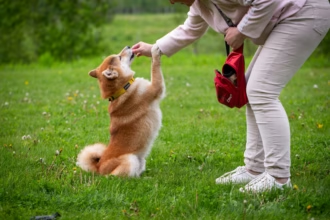
4. Use Positive Reinforcement Training
How you react to your pet’s actions influences what they’ll do in the future. Positive reinforcement is the method of training pets that works best for lasting, natural improvement in pet behavior.
Reward Good Behavior Immediately
Reward your pet within seconds when it does the right thing. This might be a treat, praise or their favorite toy. The immediate reward makes the link between the action and the good feeling.
Timing is everything. If you take too long, your pet won’t know why they are being rewarded.
Ignore Unwanted Behavior (When Safe)
Most behaviors occur because pets crave attention — even negative attention. If your pet is just being irritating but not harmful, totally ignore it.
But when they notice the behavior isn’t being attended to, they’ll cease. Instead, reward them the instant they do something right.
Never Use Physical Punishment
Hitting, yelling or using a shock collar only diminishes your relationship with your animal. It strikes fear and anxiety that frequently results in worse behavior problems.
Punishment can temporarily put a stop to a behavior, but it doesn’t teach your pet what you want him or her to do instead. It’s more effective to have positive techniques and gain trust from training.
Be Patient and Consistent
Your whole household should follow the same rules. If jumping on the couch is OK with one person but not OK with another, your pet is going to be confused.
Consistency makes learning faster. Your pet requires clear, consistent signals for what you want.
Break Training into Small Steps
Don’t expect perfection immediately. If you are training your dog to remain calm when visitors arrive, for example, reward them initially every time they sit instead of barking and jumping at the sound of a doorbell (even in a TV commercial).
Step it up as they get good at each task. Little victories are confidence and motivation builders.
5. Address Stress and Anxiety
Many behavior problems are rooted in anxiety or stress. To improve pet behavior issues naturally you need to find out and limit those stress triggers.
Recognize Signs of Anxiety
Practice reading your pet’s body language. Common stress signals include:
- Excessive panting or drooling
- Pacing or inability to settle
- Destructive behavior when left alone
- Excessive grooming or scratching
- Hiding or avoiding interaction
- Aggression or snapping
Create Safe Spaces
All animals need space. This could be a crate, a room, or even just the corner where your dog’s bed is placed.
Ensure that this space is always accessible and that others in the house or other pets don’t impinge upon it. When your animal gets to its haven, you leave it alone.
Use Calming Scents
Some natural scents do help with anxiety:
- Lavender is calming in dogs and cats
- Chamomile has calming properties
- Valerian root (dogs) will help decrease hyperactivity
- Catnip gets cats temporarily excited followed by calmness (inhibits aggression and anxiety-related behaviors)
Go with pet-friendly essential oil diffusers and sprays made just for animals. Never apply oil directly on your pet’s skin but only with a vet’s advice.
Try Some Relaxing Tunes or White Noise
Research indicates that some music lowers stress in animals. Playing classical music or specially formulated pet relaxation tracks can soothe anxious animals as well.
White noise machines can cover the sounds like thunderstorms, or fireworks, that prompt fearful responses.
Gradually Desensitize to Triggers
When your pet is afraid of specific things (like vacuum cleaners or car rides), make sure you do some work around gradual exposure, if possible. Begin with the trigger far away or on low intensities.
Reward calm behavior and slowly, very slowly, gradually, over days or weeks increase exposure. Never put your pet in situations that terrify them — fear just becomes worse for it.
Consider Natural Supplements
Below are a few natural supplements that help regulate mood:
- CBD oil (hemp) doesn’t carry the negative side effects & may reduce anxiety
- Melatonin for sleep and stress
- Probiotics promote gut health, which is linked to mood
- Adaptogenic herbs like ashwagandha to help the body manage stress
As always, check with your veterinarian before adding a supplement to make sure it’s safe for your particular pet.
Measuring Progress and Staying Consistent
You can’t expect pet behavior to change overnight naturally. When it comes to building something real and lasting, change does not happen overnight — but patience and consistency will pay off. For more helpful pet care tips and resources, visit Daily Paw to support your journey.
Keep a Behavior Journal
Keep a record of when you see problem behaviors and what was happening or already tried each time. This allows you to notice patterns and see progress over time.
Celebrating small victories is worthwhile. Your pet may not be perfect, but if they’re better than they were last week, you’re on the right track.
Adjust Your Approach as Needed
If something isn’t working after a few weeks, switch tactics. Each pet is an individual, and what works for one may not work for another.
Keep your mind open and continue to test out new combinations of the methods in this article.
Involve the Whole Family
Be certain that all members of your household who will be living with your pet know what to do. Mixed messages are confusing to pets and will slow the process.
Convene a family meeting to decide on rules, who’s in charge of training sessions and how the whole family will respond to problematic behaviors.
Common Mistakes to Avoid
In spite of the best intentions, pet owners can sometimes make mistakes that prevent naturally improving your pet’s behavior:
- Not sticking to rules and routines
- Expecting progress far too quickly
- Punishing natural behavior instead of redirecting it
- Disregarding a health problem that may be contributing to the behavior issue
- High energy breeds who don’t get enough exercise
- Leaving pets home alone for overly long periods without mental stimulation
Avoiding these mistakes is likely to help you see progress more quickly.
When to Seek Professional Help
Occasionally, behavior problems need professional help. Consider consulting a professional if:
- Your dog is aggressive towards people or other animals
- Anxiety prevents normal daily activities
- Destructive behavior causes significant damage
- You’ve taken many different approaches over a few months and nothing is changing
- Your pet’s attitude has changed out of the blue
A vet can eliminate medical causes and a certified animal behaviorist can develop a tailored training plan.
Frequently Asked Questions
How long does natural pet behavior improvement take?
2-4 weeks to feel a difference and 3 months to see a change in energy level. For complex issues such as severe anxiety clients can expect 2-3 months. Patience is essential—natural approaches are dealing with your pet’s biology, it takes time.
Can I employ these techniques with older animals?
Absolutely! You can teach old dogs (and cats) new tricks. Older pets may get over it a little slowly, but work well on natural behavior improvement techniques. It’s consistency and patience far more than age that counts.
Are these methods safe for all animals?
These methods apply to dogs, cats, rabbits and most of the common household pets. Specifics (like the kind of exercise or what to eat) depend on species, however. Always do your research before bringing home any animal.
What if my pet doesn’t like the high-quality food I switched to?
Gradually transition by adding new food with older over 7–10 days. If your pet still won’t eat, introduce another brand or try a different protein source. There are plenty of quality brands out there — you just need to find one your pet enjoys.
Could I use these natural treatments with medications that my vet ordered?
Yes, but you should still always let your vet know about any natural supplements or significant dietary changes. There are medications that may interact with natural products. Professional direction also guarantees that everything is working together safely.
How can I tell if my pet is getting enough mental stimulation?
When sufficiently exercised, a pet will calm down post activity, be interested in toys and activities (not driven by boredom or excess energy), and won’t constantly seek attention through misbehavior. If they still are appearing restless or destructive despite physical exercise, you probably need to provide more mental challenges.
Conclusion
Natural pet behavior enhancement lets you connect with your furry friend on a deeper level and fixes frustrating behavior problems without making you feel guilty. All of the above methods for a happy pet—building their routine, feeding them proper nutrition, preventing boredom and giving mental enrichment, using positive reinforcement and addressing stress—work together harmoniously.
Keep in mind, each and every pet is an individual with their own particular needs and personality. What’s perfectly suited for one animal may need to be tinkered with for another. The trick is to be patient, be consistent and try out different approaches until you see what works for your individual pet.
Best of all, natural solutions work on the health and well-being of your pet beyond their behavioral changes. You’re not just preventing unwanted actions; you’re establishing an environment in which good behavior can occur naturally, simply because your pet’s physical and emotional needs are being met.
Begin with one or two strategies described in this article and take it from there. Keep track of how you’re progressing, celebrate victories big and small, and don’t let temporary setbacks throw you. With time and training, you’ll notice impressive changes in your pet’s behavior—no harsh techniques or artificial medications required!
Your pet wants to please you and be part of a peaceful home. So now you’ve given them the tools, the naturally better approach. The result is a more deeply connected bond, a less-chaotic household and a happier life for both you and your precious pet.