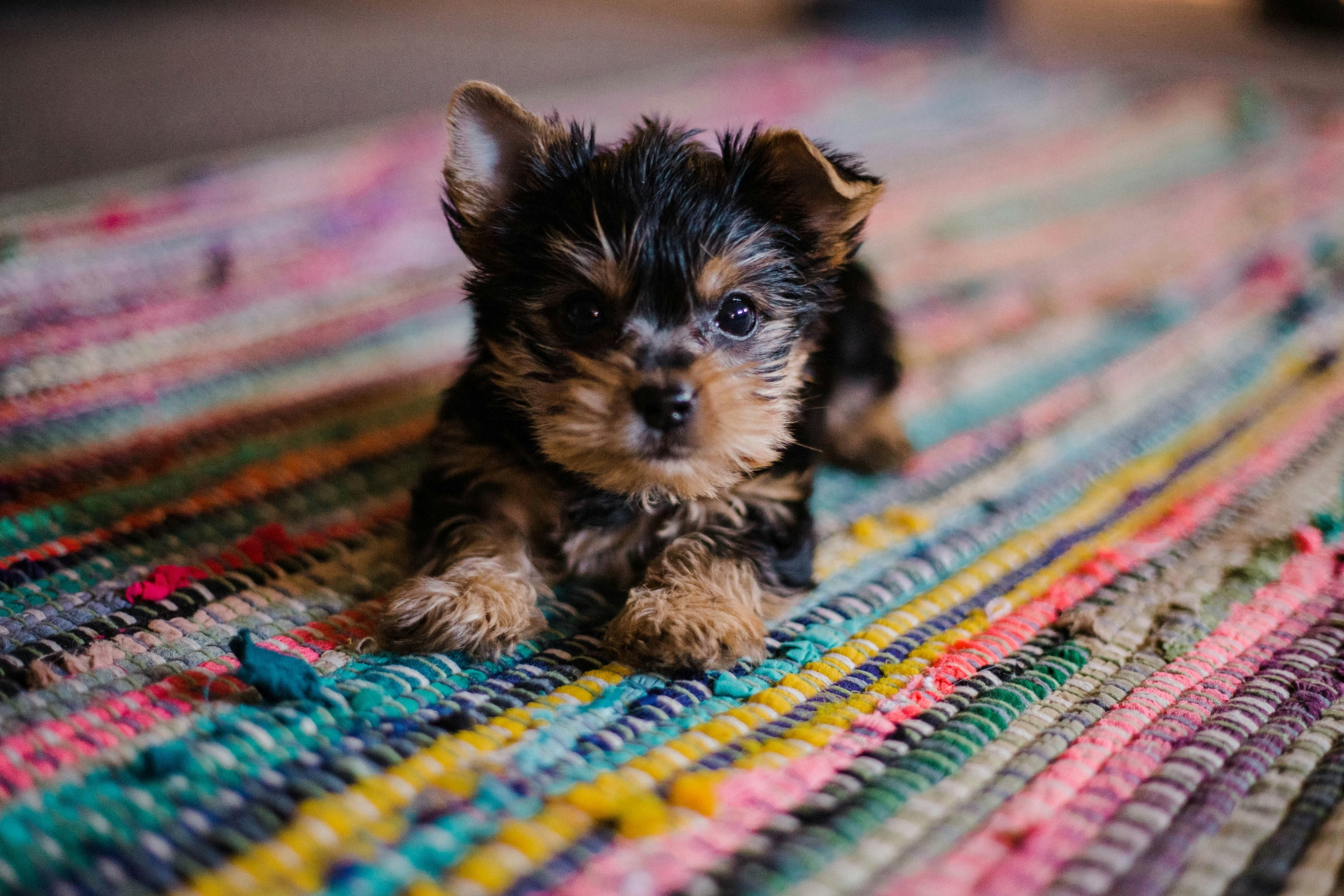
Bringing a puppy home is exciting, messy, and sometimes overwhelming. One moment, your little furball is snuggled up on your lap, and the next, they’re chewing your shoes or peeing on the rug. Puppies are adorable, but they don’t come pre-programmed. They need structure, consistency, and training to grow into well-behaved adult dogs.
I still remember when I brought home Max, a fluffy Labrador pup with paws way too big for his body. The first night, he cried in his crate. By the end of the week, he had learned “sit.” By the end of the month, he was almost house-trained—almost. Looking back, I wish I had a clear roadmap for what to teach and when. That’s what this guide is all about: a puppy training schedule from 8 weeks to 1 year.
Every puppy learns at their own pace, but having milestones helps keep you on track. Here’s how to raise a polite, confident dog step by step.
8–10 Weeks: Building the Basics
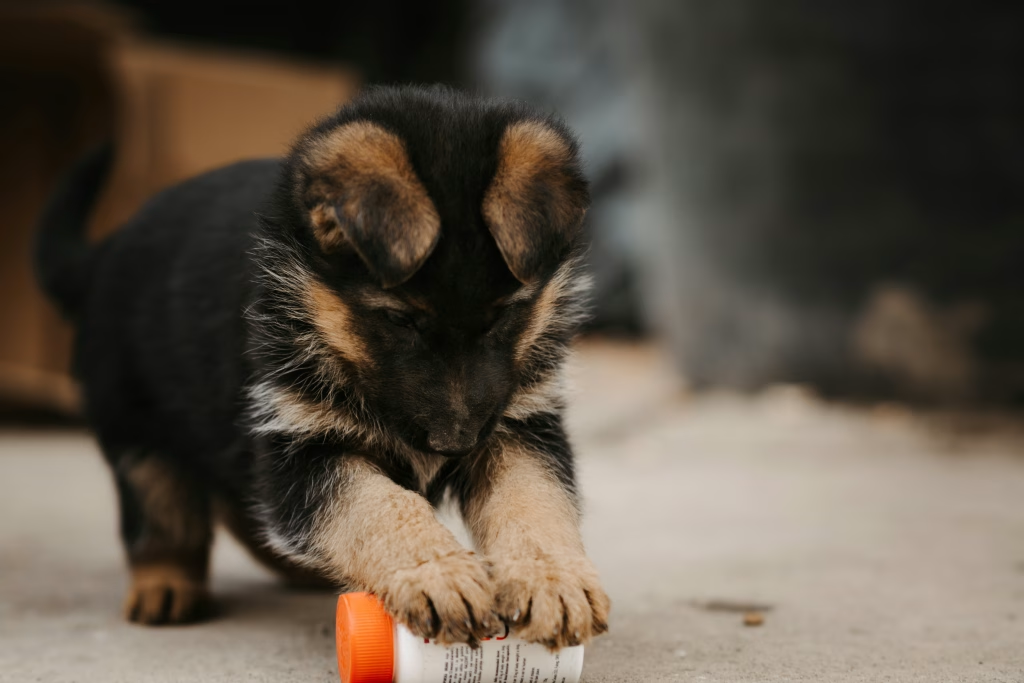
At this age, your puppy is just settling into your home. Everything is new—sounds, smells, people, and routines. Don’t expect perfection; focus on building trust and introducing gentle structure.
Training goals at 8–10 weeks:
- House training: Take your puppy outside frequently—after naps, meals, and playtime. Celebrate every success. Accidents will happen, so patience is key.
- Crate training: Start with short sessions to show the crate is a safe, cozy spot, not a punishment.
- Name recognition: Call their name and reward them when they look at you.
- First commands: Keep it simple: “sit,” “come,” and “stay” in short, fun sessions.
💡 Tip: At this stage, use lots of praise and tiny treats. Puppies have the attention span of a toddler, so keep sessions under 5 minutes.
10–12 Weeks: Socialization Window
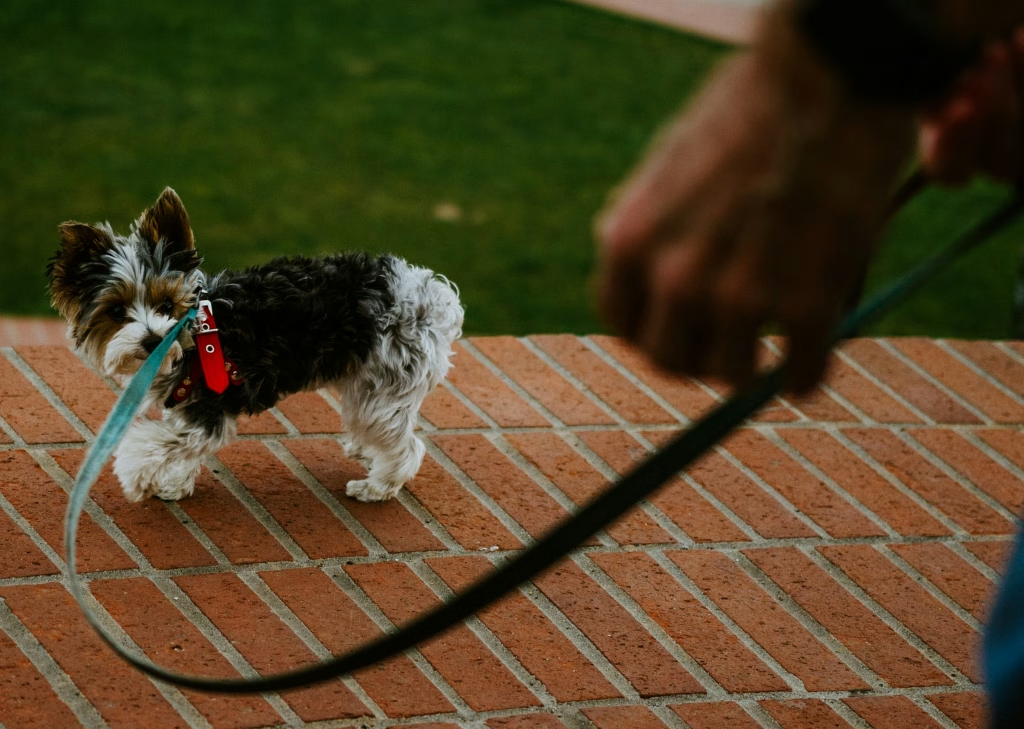
Between 10 and 16 weeks, puppies go through a critical socialization period. What they experience now will shape their confidence for life.
Training goals at 10–12 weeks:
- Introduce new people and environments: Let them meet calm adults, children, and friendly dogs. Take short trips to parks or pet-friendly shops.
- Leash training: Start with short walks around the yard or block.
- Handling exercises: Gently touch their paws, ears, and mouth to prepare them for vet visits and grooming.
- Continue basic commands: Reinforce “sit,” “stay,” and “come.” Add “leave it” to prevent bad habits later.
💡 Story: My neighbor’s puppy, Luna, was shy around strangers. By taking her to a weekly puppy class during this period, she grew into a confident, friendly adult. Early exposure matters.
3–4 Months: Confidence Building
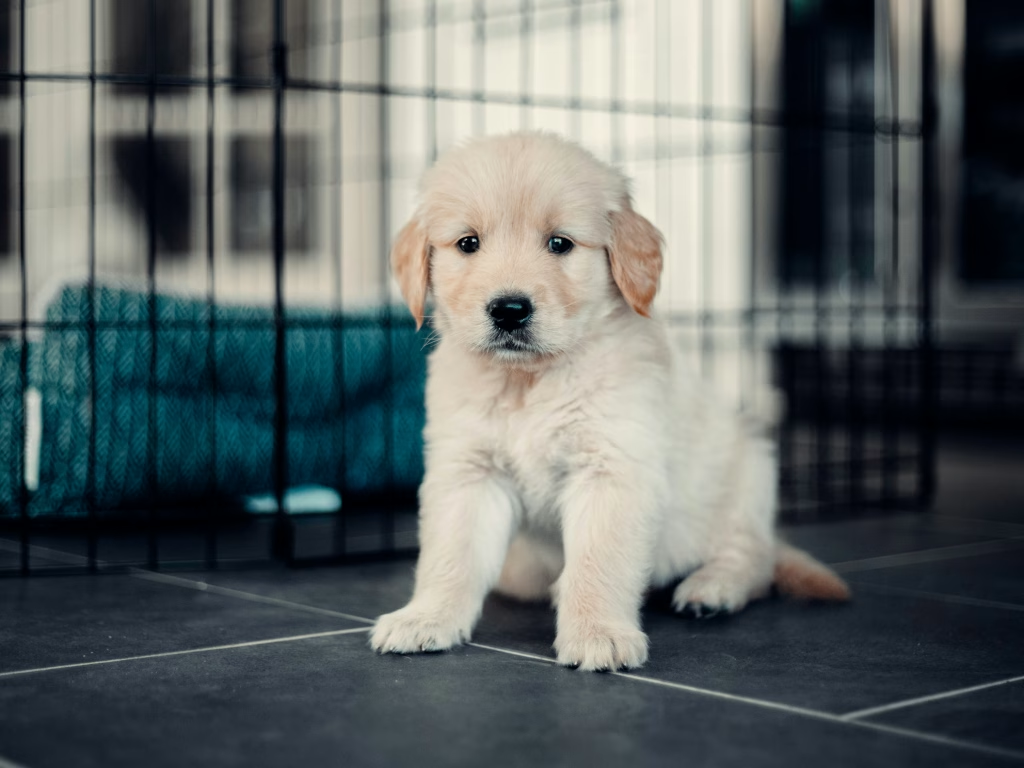
Your puppy is growing fast and getting bolder. They’re also testing boundaries—just like a toddler learning “no.”
Training goals at 3–4 months:
- House training progress: By now, most pups can hold their bladder a little longer. Keep up the routine.
- Short alone time: Practice leaving them alone for 10–15 minutes to prevent separation anxiety later.
- Refining commands: Practice “sit,” “stay,” and “come” in slightly more distracting environments.
- Gentle play rules: Teach “no biting” or “gentle” by redirecting nips to toys.
4–6 Months: The Teen Stage Begins
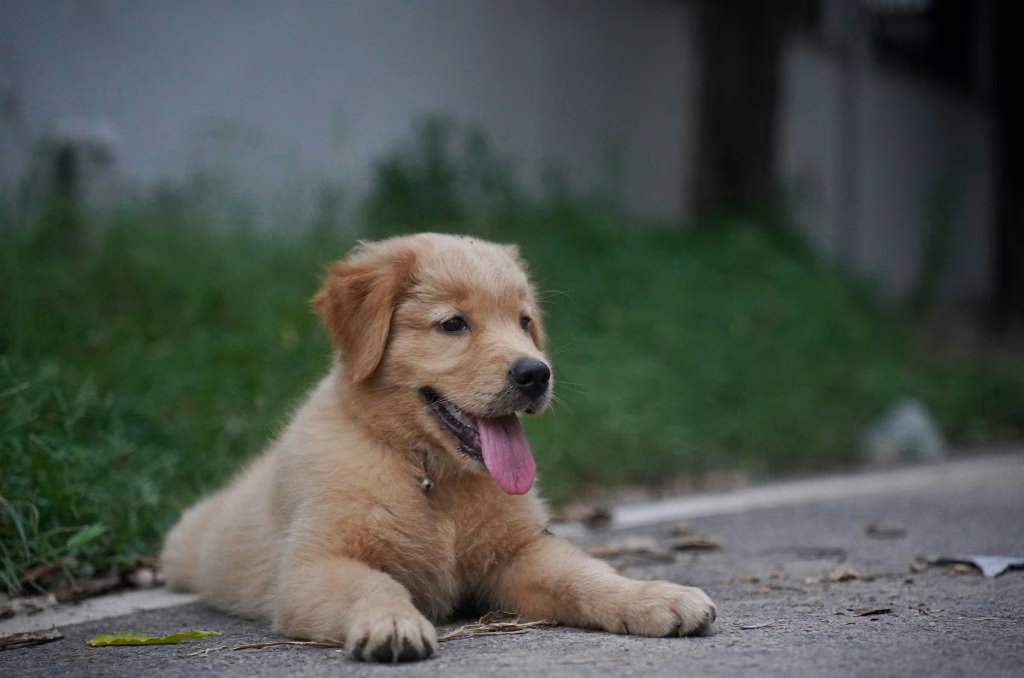
Here comes trouble: the puppy teenage phase. Energy is high, attention is short, and rules are tested. Stay consistent.
Training goals at 4–6 months:
- Loose-leash walking: Teach them not to pull by stopping or changing direction when they do.
- Stronger recall (“come”): Practice in safe, fenced areas with increasing distractions.
- Impulse control: Use commands like “wait” before meals or before going out the door.
- Basic manners: No jumping on people, no begging at the table.
💡 Tip: Keep expectations realistic. Just like human teens, puppy teens push boundaries—it’s normal.
6–9 Months: Shaping Good Habits

Your puppy is starting to look more like an adult, but mentally they’re still growing. This is the stage where bad habits stick if you’re not careful.
Training goals at 6–9 months:
- Consistent routines: Stick to feeding, walking, and training schedules. Dogs thrive on predictability.
- Advanced training: Try new commands like “heel” or “place.”
- More socialization: Keep exposing them to new places, noises, and situations.
- Reduce reliance on treats: Start mixing in praise, toys, or affection as rewards.
💡 Story: A friend of mine switched from food treats to play rewards at this stage. Her Border Collie loved tug-of-war, and training suddenly became a game, not a chore.
9–12 Months: Becoming an Adult Dog
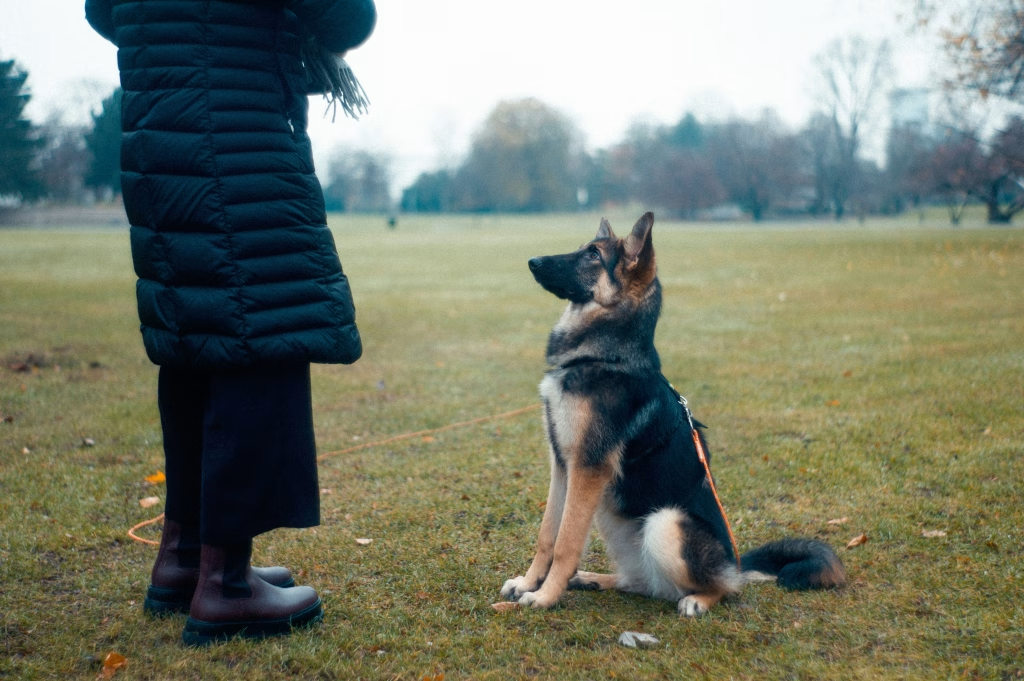
By now, your puppy is close to adulthood. Training shifts from “teaching basics” to “maintaining discipline.”
Training goals at 9–12 months:
- Reliable recall: Your dog should come when called, even in distracting environments.
- Calm behavior in public: Practice at cafés, markets, or busy streets.
- Off-leash skills: Only in safe areas, test their ability to stay close and follow commands.
- Independence: Gradually build up to being left alone for a few hours.
At this stage, you’ll see the payoff from all your earlier effort. A well-trained dog isn’t just easier to live with—it’s safer and happier too.
Common Mistakes to Avoid
- Inconsistent rules: If one day your pup is allowed on the couch and the next they’re scolded, they’ll be confused.
- Training only when convenient: Short, daily practice works better than once-a-week marathons.
- Skipping socialization: A sheltered puppy can grow into a fearful adult.
- Relying only on treats: Mix in praise, affection, and play to keep things balanced.
Wrapping It Up
Puppyhood flies by. One day you’re cleaning up accidents, and the next your “baby” is trotting confidently at your side. Training isn’t just about obedience—it’s about building trust, communication, and a lifelong bond.
When I look at Max now, a calm, happy adult dog, I see the little pup who once cried in his crate on night one. All those short training sessions, accidents, and small victories built the foundation for the dog he is today. And that’s what makes every “sit,” every “stay,” and every chewed shoe worth it.