
PUBLISHED: 00:44 GMT, 30 October | UPDATED: 09:13 GMT, 30 October
Pet owners often have an ‘oh no’ moment when they realize their beloved animal is subject to either a long-term illness or serious disease!
And sometimes cats and dogs won’t exhibit warning signs – that’s the life-saving message from vet Luke Gamble as follows.
Cold Nose Author
Dr Luke Gamble discovers it isn’t just cold noses we need to look for.
We all want our pets to be healthy and happy. Be warned though – even when hidden under fur and feathers, our four-legged friends are reliant on the same balance of nature.
Stay in tune with your animals; resist anthropomorphization and learn the name of each creature you own. Parasites and viruses won’t always make themselves known.
Lameness or Unawareness
Watching wildlife programs on TV recently, I’ve learned it takes time for predators to work out what doesn’t belong. Keep your eyes peeled.
If your pet shows excessive thirst, changes in appetite, or temperatures over 103°F – seek emergency care soon.
For more comprehensive pet health information and resources, visit Daily Paw.
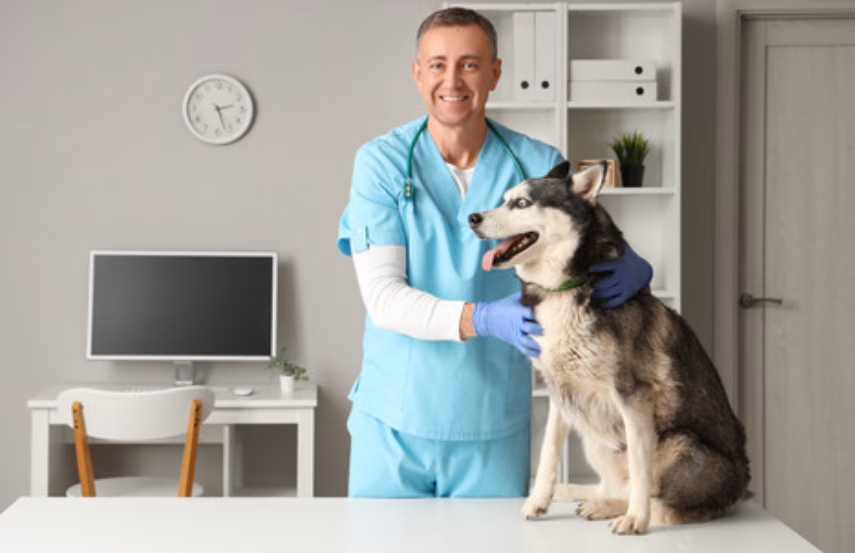
What to Do Before You Take Your Pet to the Vet
If you observe pet health warning signs, the clock is ticking. But take these quick steps:
- Call ahead to the emergency vet so you can just turn up
- Calm your pet down – and remember, we all do better when we’re calm
- Don’t give any medicine unless advised to do so by the vet
- Use towels to wrap bleeding pets and keep them warm, as shock decreases body temperature
- If your pet has consumed a poison, bring the package or sample. This speeds up the pace for the vet to provide treatment
- Take collapsed pets with their head level with their body for transport
Drive safely but quickly. The best scenario is that you have someone else drive while you speak to your pet. Keep calm — your pet can sense your panic and it just makes them more anxious.
The Cost of Waiting
Others wait because they are concerned about the cost of an emergency vet. The truth of the matter, however, is that waiting is almost always more costly. A straightforward blockage, if identified early, could run a couple of hundred dollars. Wait too long and you’re facing surgery costs in the thousands – if your pet even makes it.
Plenty of emergency vets will work with you if you don’t have the money to pay up front. Pet insurance will help, but it doesn’t cover emergencies that arise before you’ve registered your pet. Certain veterinary schools provide emergency care at reduced rates.
Your pets don’t come with a price tag. Don’t let money stand in the way when you notice pet health warning signs. If you are considering euthanasia because you can’t afford treatment, TELL THE VET.
Prevention: Catching Problems Early
Routine vet checkups can detect problems before they become an emergency. Annual examinations for young pets and twice-annual visits for senior ones can keep crises at bay.
Store poisonous materials out of the reach of curious animals. Chocolate, grapes, xylitol (which is found in sugar-free gum) and even certain plants can be deadly. Antifreeze is sweet to pets, but it kills the kidneys.
Watch your pet’s normal behavior. Understand what is normal for your pet. This makes it more obvious when something has changed. Note your vet’s emergency number and the address of the nearest 24-hour animal hospital.
Frequently Asked Questions
How soon should I take action when I see these warning signs?
Immediately. The symptoms described above are not “wait and see” situations. Contact your vet or emergency clinic immediately — even at 3 in the morning. Minutes can be the difference between life and death in cases like bloat, poisoning or any kind of breathing difficulty.
What if my regular vet is closed?
Know where your closest 24-hour emergency animal hospital is before you require it. Put the number in your phone. Most places will have emergency clinics that remain open all night and on weekends. If you live in a rural area, find the nearest option even if it’s far away.
Don’t miss these 10 clever dog training hacks that actually work 🐕🦺 Click here.
Is it safe to give my pet human pain medication?
Never give human medication unless a vet you trust has told you to. Tylenol is lethal to cats and destroys dogs’ livers. Pets get lethal ulcers and kidney failure from ibuprofen. Even baby aspirin wreaks havoc in the wrong doses. Always call first.
How can I tell if it’s really an emergency, or whether I’m being dramatic?
When in doubt, call. Vets and emergency clinics would rather you check than have a pet left untreated because you delayed. If your pet urgently needs care, they can determine over the phone whether you should bring it in. Use your instinct — nobody knows your pet better than you do.
Do these warning signs apply to cats and dogs?
For the most part, yes, although there are some nuances. Urinary blockages are more common in male cats. Bloat is more common in large-sized dogs. But breathing difficulty, collapse, severe pain and bleeding are emergencies in all species of pets.
What’s the deal with exotic pets, like rabbits or birds?
These pet health symptoms pertain to all types of pets, but exotic animals conceal illness even better than cats and dogs. Small animals can go downhill unbelievably quickly. If your rabbit won’t eat or a bird gets all puffed up and sits there for hours without moving, that’s an emergency.
Your Pet Depends on You
You are your pet’s advocate and their only chance if something falls short. Knowing these seven pet health warning signs might sound scary, but it’s so much easier to spot a problem when you know what to look for. Now, at least you know what to watch out for so that when the time comes, you know how to respond.
Print this guide out and put it somewhere you can find it. Share it with family and pet sitters. Add your emergency vet’s number to your phone now. Preparation today prevents panic tomorrow.
You receive boundless love from your pet every day. Loving them back is knowing when they need help. Stay vigilant and follow your gut and don’t be afraid to ask for help if you notice these red flags.
The relationship that you share with your pet is unique. Cherish it by being there for your furry sidekick when your pet needs you most. Their life could depend on your ability to spot these vital symptoms and get help in time. You’ve got this — and your pet is lucky to have someone who cares enough to be ready.