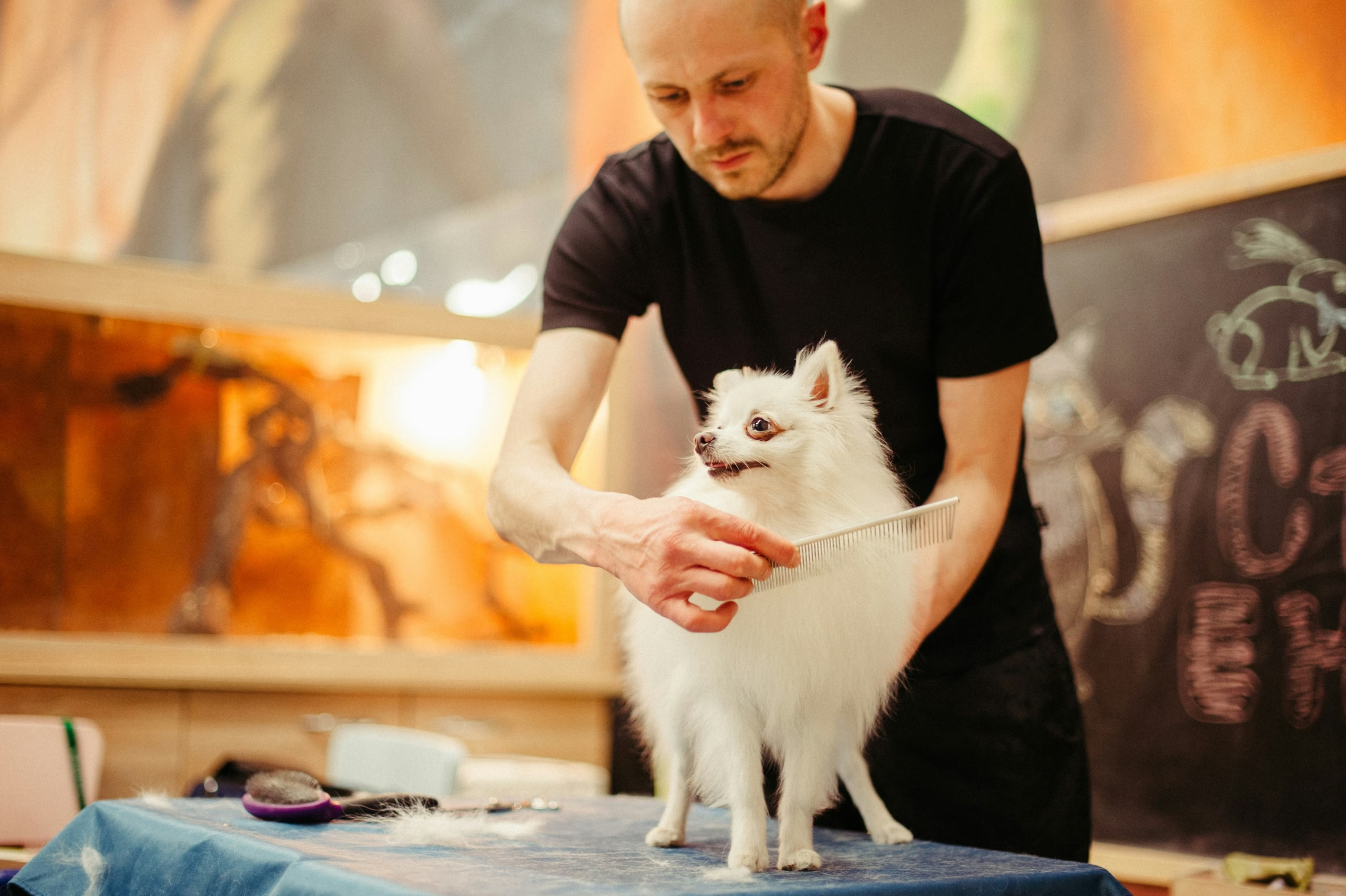
Your furry friend relies on you for everything from keeping clean to staying healthy. Regular pet grooming helps your furry friend look and feel great, but also protect both you and them from any possible health problems before they can start. A lot of pet parents believe that grooming is purely aesthetic, and that’s not the case.
Regular grooming sessions also allow you to notice skin problems, lumps or parasites early on. They reinforce the connection between you and your pet whilst ensuring its wellbeing. Whether you have a big, furry Persian cat or an eager Golden Retriever, establishing regular grooming habits for your pet will make life better for both of you.
This guide is everything you need to know in order to keep your pet clean, comfortable and healthy through the use of regular grooming.
Here’s Why A Good Grooming Routine Matters for Your Pet
Your pet requires a particular grooming routine that’s anything but pampered. This is a fundamental need that affects your animal’s physical and mental well-being.
When you brush your dog or cat often, you remove dead hair that would have otherwise ended up on your furniture or made painful mats in your pet. Matted fur tugs on the skin and makes perfect hiding places for fleas and ticks. Some mats become so tight they restrict blood flow to the skin underneath.
Frequent grooming also allows you to catch problems early. You may find a tick in your dog’s thick fur to remove, an odd bump you need checked, or red ears that could signal infection. Spotting those problems ahead of time means the condition can be treated more easily and less expensively.
Your pet feels better when they’re clean. Try to picture yourself wearing the same clothes, without laundering them, day after week after month. And that’s exactly how your pet feels when their fur is dirty and matted. Happy pets are clean pets, who love to move around and play.
Brush Breakdowns That Will Work on Any Coat Type
Various animals have unique grooming needs. If you have a short-haired Beagle, then you will brush less than if you are brushing a long haired Maine Coon cat.
Short-Haired Pets
Short-coated dogs and cats still shed hair, so they can use a weekly brushing. Use a rubber curry brush or a bristle brush. These devices grip loose hair when you stroke your pet with them, massaging the skin underneath. The massage is nice for your pets and helps blood circulation in the skin.
Gently stroke in the direction the hair grows. The majority of short-haired pets require brushing once or twice a week. During shedding season (generally, spring and fall), bump this up to every other day.
Medium-Haired Pets
Medium-length coated pets require a little more care. Dogs such as Cocker Spaniels, Australian Shepherds, and the numerous crosses between them fall into that group. Brush these animals with a slicker or pin brush three to four times a week.
Work from the head and move backward. Mats form most readily behind the ears, on legs and around the collar. If you encounter a small mat, gently unknot it with your fingers or a mat splitter. Never pull or yank on mats.
Long-Haired Pets
Long-haired breeds require daily brushing. Afghans, Persians and other similar breeds mat in days if not cared for appropriately. You’ll need a few tools: A wide-tooth comb, a slicker brush and maybe even a de-matting rake.
Always brush in layers. Brush the undercoat first, then lift up a coat at a time. This strategy nabs tangles before they become larger issues. Some long-haired dogs are maintained in short “puppy cuts” to minimize brushing.
How to Wash a Pet the Right Way
Too many baths will wash away the oils in your pet’s skin and coat. Not enough, and they stink. The right balance will be individual for your specific animal.
How Often Should You Bathe?
Virtually all dogs, including those with healthy skin and coats, need to be bathed periodically. Dogs that remain outside often or have oily skin may need baths even more frequently. Cats hardly ever need baths because they groom themselves, but long-haired cats or those with medical problems may benefit from a scrub down every few months.
Some breeds have special needs. Basset Hounds and other droopy types should be bathed more often because the skin folds hold moisture and dirt. Poodles and other dogs with hair rather than fur can be bathed more frequently without an issue.
Proper Bathing Technique
Don’t ever just dump your pet in the tub and hope for the best. Clean pet grooming practices also mean learning the right steps to bathe a dog or cat.
Step 1: Brush your pet well before you wet them. Water will only make the mats tighter and difficult to remove. Put a rubber mat down in the tub so your pet isn’t slipping and panicking.
Use lukewarm water, never hot. Drench your pet and continue massaging to create a rich lather from the head right through to the tail. Avoid getting water in their ears and eyes. Make a lather with pet shampoo (human shampoo has an incorrect pH and can cause skin problems).
Rinse thoroughly. Leftover shampoo is irritating to skin and causes fur to look dull. Wash twice as long as you believe is needed. There is some soap left on most pets after the first rinsing.
Drying Methods
Towel-dry your pet immediately. A lot of dogs will shake the water off, doing the “shake dance,” and it just throws that water everywhere. If the coat is thick, a blow dryer on a cool or warm setting can be used, never hot. Keep it at least six inches away from the skin and keep it moving.
Some pets hate blow dryers. If yours do, towel-dry them thoroughly and let them completely air-dry in a warm room. Just be sure to keep them away from drafts and don’t let them out of the house or lie on cold floors until they’re completely dry.
Nail Trimming Without the Drama
Even the prospect of trimming nails scares many pet owners off. But long nails do present actual problems. They alter the way your pet walks, resulting in joint pain and arthritis. If nails are too long, they can even grow into the paw pad.
Tools You Need
You can opt for scissor-style clippers, guillotine clippers or grinding tools. Scissor clippers can suit the needs of most owners, whether you have a dog or cat. Grinding tools smooth the nail, but they’re noisy, which can scare some pets. Choose what works best for your situation.
Keep styptic powder nearby. This powder helps stop bleeding if you cut down too far. Not that you should be afraid of accidents anyway. As you get the hang of it, mistakes will be few and far between.
The Safe Trimming Process
Examine your pet’s nails in good light. You can see the pink “quick” inside light-colored nails. The blood vessels and nerves are contained in this quick. Never cut into the quick. Cut right before it, so there is a little remaining for safety.
On dark nails, the quick is hidden and trimming becomes trickier. Cut tiny amounts at a time. When you see a gray or pink oval on the cut surface, you’re done. You’re near the quick.
For dogs, trim nails every 3-4 weeks and for cats trim them every 4-6 weeks. If you trim regularly, then quicks won’t grow too long. If your pet has overgrown nails, do several small trims a few weeks apart rather than cutting off a lot at once.
Making It Easier
Begin cutting the nails from pets at a young age to acclimate them. Massage your pet’s paws daily when you’re not trimming. This is what makes them used to paws touching.
Clip nails when your pet is relaxed and its energy level is calm, not riled up. Give treats while you trim, treats after trimming. Some owners clip only one or two nails at a time, shortening the sessions to reduce stress.
Ear Care That Prevents Infections
Ear infections hurt and require expensive vet visits. Most of these issues are avoided with good ear care.
Checking Ears Regularly
Check inside your pet’s ears once a week. Healthy ears appear pink with no redness, smell normal (not yeasty or foul) and have little to no wax. Excessive wax, strong odors, and discharge are signs of a problem that requires the vet’s attention.
Dogs with floppy ears, such as Basset Hounds or Cocker Spaniels, develop more ear infections because air doesn’t flow into their ear canals. Check their ears extra carefully.
Cleaning Technique
Clean only ears you can see dirty or waxy buildup on. Too much cleansing robs skin of protective wax and causes irritation. Do not ever insert cotton swabs into the ear canal. You could damage the eardrum.
Squeeze a couple of drops of ear cleaner into the ear canal. Massage the ear base for 20-30 seconds. You’ll hear a squishy sound. Allow your pets to shake their head, then use a cotton ball to wipe out any debris you are able to see on the outer ear.
Clean ears weekly or as often as your veterinarian suggests. Some animals will need to be cleaned more than others — particularly those that have taken a dip.
Dental Health You Can’t Ignore
More than half of all pets have dental disease by age three. It leads to bad breath, loss of teeth and heart and kidney disease after oral bacteria enter the bloodstream.
Daily Brushing Benefits
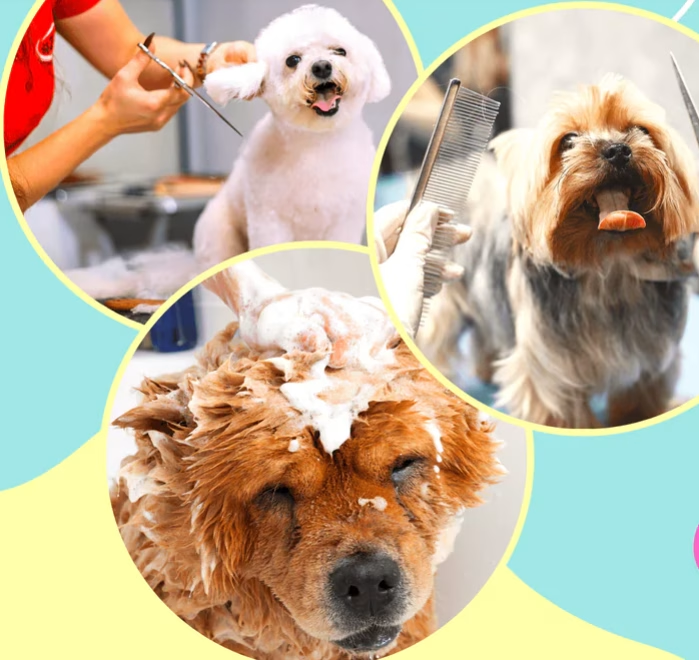
For dogs and cats, you should be brushing your pet’s teeth every day. It loosens and removes plaque before it becomes tartar. You will also require pet toothpaste (NEVER use human toothpaste, it contains ingredients that are poisonous to a dog) and a soft bristled pet toothbrush or even finger brush.
Start slowly. Have your pet lick toothpaste off of your finger for a couple days. Then slide your fingertip along their gumline and over the teeth. Finally, introduce the toothbrush. Brush in small circles, targeting the outside surfaces of teeth where plaque likes to accumulate.
Most pets resist at first. Keep sessions brief even as you’re being patient. Even 30 seconds of brushing is better than nothing.
Other Dental Care Options
In the case that your pet refuses to brush their teeth, try dental treats, water additives and dental chews. These are not as good as brushing, but better than nothing. Check for the Veterinary Oral Health Council (VOHC) logo on approved products.
And when necessary, schedule professional dental cleanings with the vet. For some animals, cleanings may be needed every year; for others, several years may elapse between cleanings.
Special Attention Zones
Some body parts require special attention while you are grooming your pet.
Eye Care
Gently clean around your pet’s eye with a cool damp rag each day. Some breeds, including Poodles and Shih Tzus, get tear stains beneath their eyes. Special tear stain products can help fade these streaks.
Look for any redness, cloudiness, or discharge. These symptoms need vet evaluation. Never put anything in or on your pet’s eyes unless it has been recommended by a veterinarian.
Paw Pad Maintenance
Check paw pads weekly for cuts, cracks or foreign objects caught between the toes. If the fur between your pet’s paw pads becomes long, you can trim it. However, long fur does tend to collect ice balls in winter and debris in summer.
Treat dry, cracked pads with a pet-safe paw balm. This is particularly important in the winter because salt and the cold can damage pads.
Sanitary Areas
Longer-haired pets may require occasional trimming in the back area when they can’t clean themselves up adequately. This region, known as the ‘sanitary trim,’ keeps waste from adhering to hair. Cut carefully, with blunt-tipped scissors, or have a groomer demonstrate how to do it.
Developing a Grooming Schedule That Suits You
Consistency matters more than perfection. Make a schedule that you can actually follow.
Here’s an example of a weekly grooming schedule:
| Grooming Task | How Often | Time Commitment |
|---|---|---|
| Brushing (short coat) | 2 times per week | 5-10 minutes |
| Brushing (long coat) | Daily | 15-20 minutes |
| Ear check | Weekly | 2 minutes |
| Nail check | Weekly | 1 minute |
| Nail trim | Every 3-4 weeks | 10-15 minutes |
| Teeth brushing | Daily (or at least a few times per week if possible) | 1-2 minutes |
| Bathing | Once every 1-3 months | 30-45 minutes |
| Full body check | Weekly | 5 minutes |
Customize this routine to what your pet needs most. A young, energetic Labrador requires different care than an aging Persian cat.
Tools Every Pet Owner Needs
Good grooming is easier, and more effective, with good tools. You don’t have to put down hundreds of dollars, but well-made tools are more durable and work better.
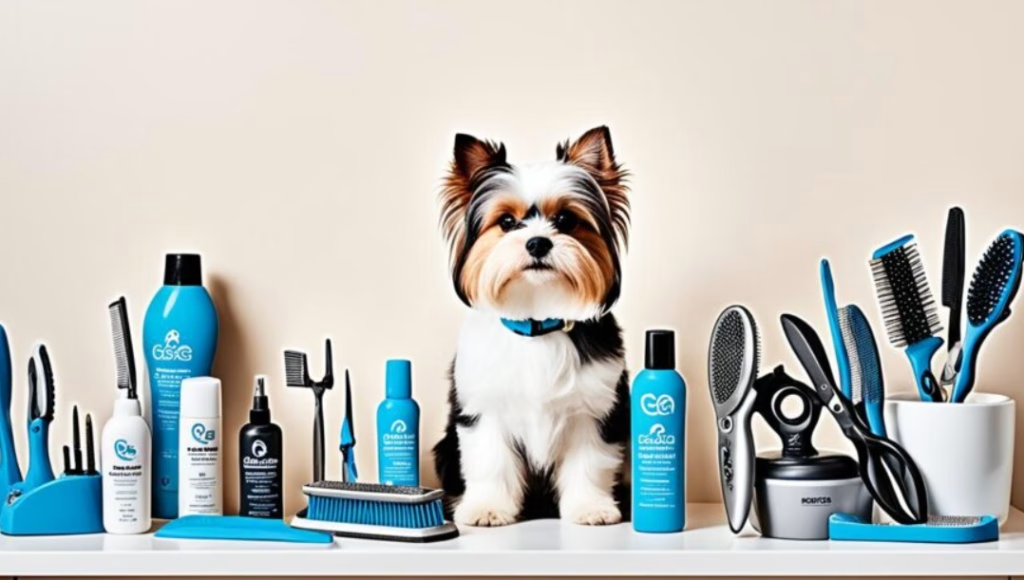
Basic Toolkit
Start with these essentials:
- Brush suitable to the type of coat for your pet
- Nail clippers or grinder
- Pet shampoo and conditioner
- Cotton balls for ear cleaning
- Vet-approved ear cleaner
- Pet toothbrush and toothpaste
- Styptic powder for nail accidents
- Grooming scissors with rounded tips
Nice-to-Have Additions
As you grow more confident with grooming, you can add:
- De-matting rake or mat splitter
- Different special brushes for different uses
- High-velocity dryer for thick coats
- Grooming table with anti-slip surface
- Professional-grade clippers for full-body trims
Acquire tools as you go once you learn what works for your pet. Some things your pet will love, some sit gathering dust in a closet.
When to See a Groomer
Just because good pet grooming habits don’t mean you have to do it all yourself. Professional groomers have skills and equipment that most owners don’t.
Signs You Need Professional Help
Consider professional grooming if:
- Your pet’s matting is so bad that you can’t safely get it out
- You need some breed-specific clips such as Poodle cuts
- Your pet becomes combative during grooming efforts
- You don’t have the necessary tools or room to properly groom
- Your pet has unique needs because of age or poor health
What to Expect
Bathing, brushing, nail clipping, ear cleaning and hair dressing are common in professional grooming. Costs can vary tremendously, depending on where you live and the size of your pet. Small dogs can be as cheap as $30-50. Large dogs with a double coat may cost you around $70-100 and even beyond that.
Book grooming for every 6 to 12 weeks (depending on coat type). Keep your pet groomed between professional visits with home grooming.
Discover how to make training your pet fun and effective 🎯 Read the guide.
Teaching Your Pet to be Groomed
A lot of grooming-related behavior problems can be traced back to bad early experiences or neglect. You can correct that with time.
Desensitization Steps
Begin to work with your pet every day when you are not grooming. Touch their paws, peer into their ears and raise their lips to check their teeth. Use treats and praise. Treats and praise can be associated with great things!
Introduce grooming tools gradually. Let your pet sniff the brush. Give treats. Brush near them but don’t brush them. Treats again. Progress gradually until your dog is comfortable during complete grooming sessions.
Never push grooming on a pet that becomes frightened or aggressive. This creates worse problems. Instead, reduce it to bite-size pieces and reward yourself for each step.
Making It Positive
When you’re first starting, make the grooming sessions short. 5 minutes of peaceful brushing is better than 30 minutes of fighting. Close sessions on a positive note, even if you can’t get everything done.
Some pets can be groomed successfully while being fed their favorite treats. Still others do better following exercise, when they are fatigued. Experiment to see what is appropriate for your own pet.
Common Grooming Mistakes to Avoid
Even experienced pet owners can make grooming blunders. Save yourself and your pet frustration by learning from others’ mistakes.
Mistake #1: Not Enough Time Between Grooming Sessions
Grooming is not a “when I think of it” responsibility. Skipping weeks of brushings means mats form that need to be cut out, and that’s weeks of coat growth you’re looking at. Delaying nail trimmings can allow nails to grow extremely long as quicks extend far down.
Put reminders on your phone for grooming. Integrate them into your routine as surely as if they were feeding or walking.
Mistake #2: Using Human Products
Human shampoos, conditioners and toothpaste may have pet-toxic ingredients. Our skin has different pH to theirs. Your toothpaste is full of xylitol which is poison to dogs.
Always purchase items designed specifically for pets. They’re designed for animal skin and are safe if consumed inadvertently.
Mistake #3: Rushing the Process
Grooming takes time. Always being in a hurry puts stress on pets and results in bad haircuts. Clear enough time to work without hurrying. If you are in a rush, just give them a quick brush down and then save the full groom for another day when you will have more time.
Mistake #4: Disregarding Your Pet’s Signs
Stop if your pup or cat seems really stressed (heavy panting, attempting to bite, extreme shaking). When you force pets, it creates fear associations that make it more difficult to groom them in the future. Give yourself a break, and if you want to try again later do it in small steps.
Seasonal Grooming Adjustments
At different times of the year, your pet will require different grooming.
Summer Care
Active outdoor pets get wet more often in hot weather. Check pets for ticks daily during tick season. Some owners give their long-haired pets a shorter summer cut for comfort, but never shave double-coated breeds like Huskies. In fact, their coat insulates them from heat.
Keep your pet’s feet protected from hot pavement. If the ground is too hot to touch with your bare hand, then it’s too hot for paws.
Winter Care
Winter air dries out skin. Going forward, you may want to bathe less frequently and use moisturizing shampoos. Examine paws for ice balls between the toes and burning salt after walks.
Wipe your pet’s paws and belly after outdoor time to remove salt and chemicals. Apply paw balm before walks to protect.
Frequently Asked Questions
How Can I Tell if I’m Brushing My Pet Enough?
Run your hand over your pet’s coat. If you notice tangles or mats, you need to brush more frequently. Also see how much loose hair comes off when you brush. If there’s a lot of loose hair, your pet needs more frequent brushing during shedding season.
Can I wash my pet with baby shampoo?
Baby shampoo is gentler than adult human shampoo, but it’s the wrong pH for pet skin. The pH level of pet skin is more alkaline and less acidic compared to human skin; mild products, therefore, can cause irritation or dryness. Stick with pet-specific shampoos.
My cat hates grooming. What should I do?
Begin with super short sessions, as little as 30 seconds to a minute. Use treats heavily. Experiment with various grooming tools – some cats like grooming gloves more than they enjoy being brushed. Try grooming your cat when she is tired. If your cat resists by being aggressive, discuss anxiety medication specifically for grooming with your vet.
How short should I trim my pet’s nails?
Clip right before the quick (the pink part inside the nail). Allow 1-2 millimeters of white nail to remain. If you cut too short and bleeding begins, use a little bit of styptic powder on the nail and press with your hand for about a minute. The nail will be sensitive for a day or so but will heal just fine.
Should you brush all your pets’ teeth?
Yes, dogs and cats of all ages will reap rewards from daily teeth brushing. 80% of dogs and 70% of cats have oral disease by the age of 3. Daily brushing helps to promote healthy teeth and gums, reduce bad breath, and save money on dental bills later. Even just a few times a week brings significant benefit.
I clean my dog’s ears and they still stink. Why?
An odor that doesn’t go away after you clean them out typically signals an ear infection. Yeast infections smell sweet or musty. Bacterial infections smell worse, like something rancid. Cease cleaning and get to your vet. They will prescribe you medication to treat the infection.
May I groom my pet during her pregnancy?
Yes, pregnant animals require grooming. Be super gentle around the belly region. Stay away from stressful activities such as the first bath, if your pet hates water. Make it short and sweet so that you can keep her from getting too tired.
Why is there white gunk on my dog’s skin when I brush?
You’re likely looking at either dandruff or flea dirt. Dandruff has the appearance of white flakes and is indicative of dry skin. Flea dirt is tiny black specks. Put the black specks on a wet paper towel – if red bleeds out, it’s flea dirt (digested blood). Go to the vet for flea treatment.
Your Next Steps
It takes time and practice to build the best grooming habits. Don’t expect perfection right away. Begin with the fundamentals: regular brushing and body checks. Add the other tasks once you’re comfortable.
Keep in mind: grooming is bonding time. Your pet associates your touch with feeling good and begins to trust you. Sessions such as these contribute to happy memories and a strong bond.
While grooming, watch your pet for signs of health problems. Nipping problems in the bud typically leads to simpler and less expensive treatment. You control your pet’s grooming routine and can make a significant impact on their health and wellbeing. For more pet care tips and advice, visit trusted resources that can help you become the best pet parent possible.
Most importantly, stay consistent. A little regular grooming goes a longer way than marathon sessions once in a while. Your pet relies on you for care. When you make grooming a priority, what you’re really doing is ensuring your pet has the healthy, comfortable life it deserves.
Begin today, with just one small step. That might be brushing your dog while watching TV tonight or examining your cat’s ears right this minute. The small things add up to lifelong habits that keep your cherished friend happy and healthy.