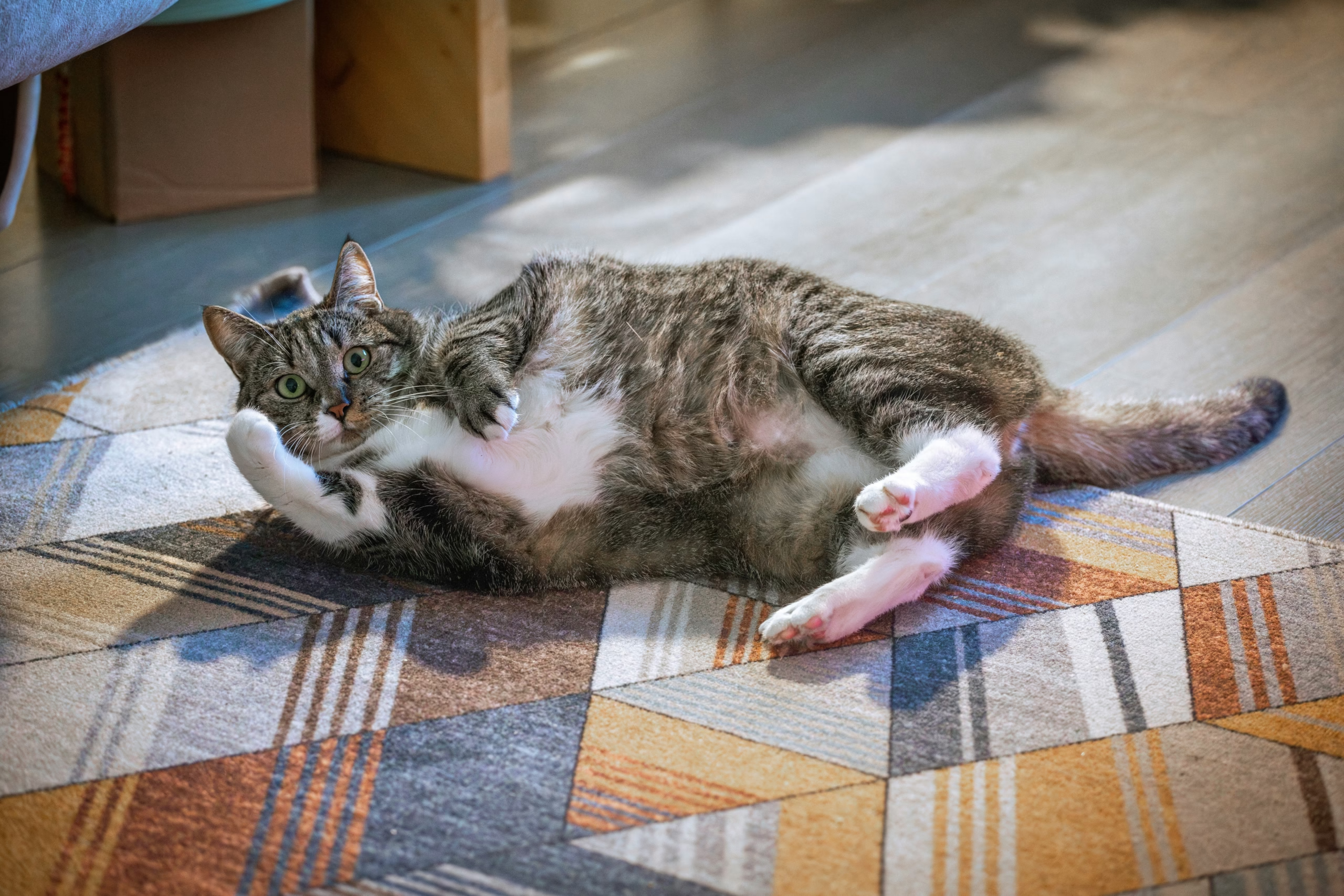
Living indoors protects cats from perils such as traffic, predators and disease. But indoor cats require some extra TLC to keep thriving and purring. Your furry friend could become bored, overweight or even develop behavior problems if you don’t take care of them properly in your home.
Lots of cat owners believe their animals are naturally independent and really do not require much entertainment. That’s not true! Indoor cats count on you to keep their environment stimulating and enjoyable. A bored cat has a tendency to get destructive, depressed or even ill.
Here, 10 tips that will help you keep your indoor cat active and amused. And the best part is, these tips are relatively simple to adopt — and light on your wallet. Turns out your home can, in fact, be the cat paradise of your pet’s dreams.
Why Caring for an Indoor Cat is More Important Than You Think
The average life span of a cat that spends his life indoors is 15-20 years, while the average age for an outdoor cat is only 2-5 years. But a long life doesn’t always mean a happy one. Your cat requires mental stimulation, physical activity and emotional connection in order to truly thrive.
Cats are instinctual hunters and explorers. They do not get to chase prey, to climb trees and patrol territory while living indoors. They can become fat, lazy or anxious without options. Proper indoor cat care swaps these natural behaviors for safe, fun alternatives within your own home.
1. Design Vertical Space for Climbing and Perching
Cats love being up high. They like feeling safe, and they can watch over their territory. Cats in the wild climb trees to escape predators and hunt birds. Even though she’s an indoor cat, that instinct is still there.
How to add vertical spaces:
Attach shelves at various levels to your walls for your cat. These don’t have to be expensive — I love the simplicity of plain, unvarnished wooden boards. Place them next to windows so your cat can see birds and squirrels outside.
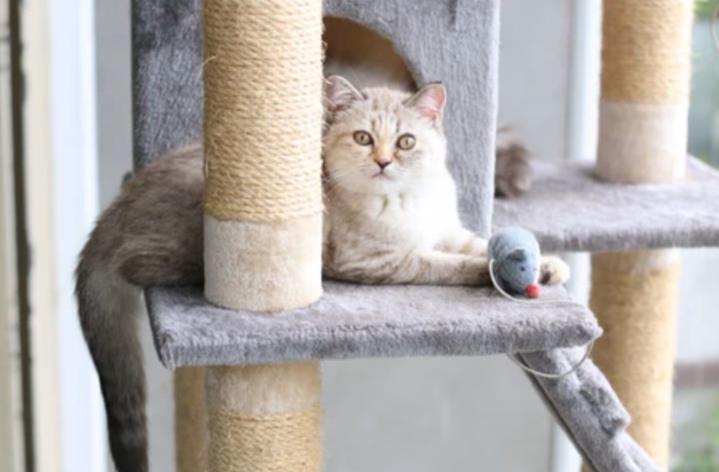
Buy a big cat tree with lots of levels. Choose something that doesn’t wobble or it forces everything up to the top of the table. The number one reason cats don’t use furniture is that they don’t trust it. The tree may have platforms for sitting, scratching posts and perhaps a snug hideaway.
Remove the tops of bookcases and cabinets. Ensure there’s a safe path for your cat to jump up and down. Take away any breakables from these areas.
Why this is great for indoor cat care:
Vertical spaces let your cat exercise climbing and jumping. They also help relieve stress by giving your cat escape opportunities when they feel overwhelmed. Several cats are also more likely to coexist with less friction if they can each claim their own vertical territory.
2. Set Up Window Entertainment Stations
Windows are cat television. There’s endless outside entertainment from birds, insects, people and shifting weather.
Creating the perfect window station:
Put a cozy cat bed or cushioned perch by a window with the best view. The south-facing windows are always the busiest, because they’re the warmest and most bird-drawing.
Put a bird feeder outside the window. Top it off periodically to entice songbirds, squirrels and other wildlife. There, your cat will spend hours entertained by this natural show.
Think about a window-mounted cat perch. These affix to the bath with suction cups or brackets and use no floor space. They are perfect for small apartments.
Indoor cat care bonus tip:
Rotate the windows your cat uses. Transplant the perch or bed to various windows throughout the seasons. And this keeps the view alive and exciting.
3. Play Interactive Games Daily
Playtime is not just fun — it’s vital exercise. For more tips on keeping your feline friend engaged and healthy, cats require 20–30 minutes of active play daily. This helps avoid obesity, while burning off energy and satisfying hunting instincts.
Best interactive toys and games:
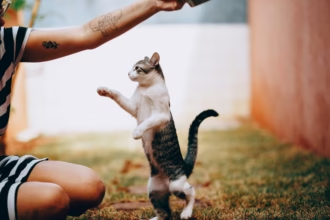
Wand toys with feathers or strings are ideal since you direct the movement. Have the toy behave like prey: darting movements, hiding behind furniture and intermittent stops. Letting your cat “catch” the toy occasionally can help prevent frustration.
Laser pointers are a great way to exercise your cat but always conclude the game by allowing your cat to catch something physical. Failing that, they’re left wanting because their prey was not itself captured.
Test puzzle feeders that require your cat to work for treats. These combine play with treats and encourage your cat to problem solve.
Creating a play routine:
Schedule playtime before meals. This imitation of the innate hunt-eat-groom-sleep pattern. Your cat will be more playful when it’s hungry and more relaxed after a bite to eat.
Keep sessions short but intense. A few 5-10 minute play sessions are much more effective than one long session.
4. Scratching Options Anywhere in Your Home
Scratching is not misbehavior; it’s normal and essential. Cats scratch as a way to stake out territory, stretch their muscles and keep their claws in top condition. Caring for an indoor cat also means providing them with suitable places to scratch.
Setting up scratching stations:
Get different types of scratchers. Some cats like tree-style vertical posts, some prefer flat scratchers and others like angled ramps. Experiment with different styles to find what your cat enjoys.
Place scratchers in strategic locations. Place them near sleeping locations (cats like to stretch and scratch after they wake) and near the furniture that they are scratching.
Materials matter. Common texture preferences are sisal rope, corrugated cardboard and carpet. Replace scratchers when they become worn — cats like rough, shredable surfaces.
Training tips:
When introducing new scratchers, sprinkle some catnip on it. When they seem interested, lay your cat’s paw on the scratcher gently. Cats should never be punished for their scratching habits; distraction to an acceptable area is all that is needed.
5. Add Food Puzzles and Slow Feeders to the Mix
As hunters, cats would otherwise have to work for their food. A bowl of kibble twice a day is dull and unhealthy. Food puzzles make meal time more engaging and help prevent gulping.
Types of food puzzles:
Basic puzzle balls feature holes that dispense kibble as your cat paws at them. These are good for novices, and offer light exercise while you eat.
Sophisticated puzzle boards contain several compartments, and food can be accessed with diverse approaches. These would keep smart cats mentally engaged.
DIY options include hiding small amounts of food around the house or putting kibble in empty toilet paper rolls (with the ends folded closed).
Benefits for indoor cat care:
Food puzzles slow down the feeding process, reducing vomiting and improving digestion. They offer both mental challenge and physical exercise. And, they can cut down on begging behavior since your cat is getting more sustained use.
| Feeding Method | Time to Eat | Mental Stimulation | Physical Activity |
|---|---|---|---|
| Regular Bowl | 2-3 minutes | None | None |
| Puzzle Ball | 10-15 minutes | Moderate | Moderate |
| Puzzle Board | 15-20 minutes | High | Low |
| Hidden Food | 20-30 minutes | Very High | High |
6. Grow Cat-Safe Greens Indoors
Many indoor only cats are desperate for grass and greenery. Cat grass is a good source of fiber and digestive aid, and it provides something safe for cats to chew on.
How to grow cat grass:
Purchase cat grass seeds (wheat grass, oat grass or rye grass are the most popular types). Plant them in shallow containers with organic soil for pots. Maintain the soil evenly moist and position containers in sunny locations.
The grass will usually be of feeding height for your cat in 7–10 days. Repeat regularly so you always have fresh grass ready.
Other safe plants:
The spider plant, Boston fern and African violet are cat-safe when your furry friend decides to snack on them. But toxic greenery like lilies, pothos or philodendrons must never be accessible.
Why this is good for indoor cats:
Cat grass helps satisfy a cat’s natural instinct to browse on grass and is harmless if swallowed. It might prevent your cat from eating toxic houseplants to help aid in digestion and reduce hairballs. Some experts even think it helps cats cough up hairballs more easily.
7. Schedule Regular Interactive Cuddle Sessions
Physical touch strengthens the bond between you and comfort us emotionally. Indoor cats quite reasonably rely on their humans for socialization.
Optimizing your cuddle time:
You should let your cat be the one to visit you when it can. Not all cats are lap sitters and some simply enjoy sitting next to you. Respect your cat’s preferences.
Get to know your cat’s favorite petting places. The majority of cats like soft scratching behind the ears, under the chin, and at the base of the tail. Reserve belly rubs for when your cat asks for them.
Brush your cat during cuddle time. This serves to comb out any loose fur, by brushing your cat you can avoid hairballs and it simply feels good to them. Longhaired cats require daily grooming, whereas shorthaired cats can be groomed once a week.
Reading body language:
If your cat is purring, giving you slow blinks and kneading, they’re happy. If the tail is thrashing, the ears are flattened or muscles appear tense, it’s time to put an end to things. Good indoor cat care involves knowing these signs.
8. Circulate Toys So Kids Don’t Get Bored
Cats tire of the same toys every day. Rotating toys also helps to make old favorites feel like brand-new toys, which saves you money.
Creating a toy rotation system:
Split toys up into three or four groups. Take one group out for a week and then exchange it. Tuck away unplayed with toys.
And make sure to always have a few of your everyday favorites on hand. Here we have these little comfort items — it might be a special stuffed animal or something, a favorite ball.
Bring a single, genuinely new toy into your life every month or two. This provides something truly new for your cat to inspect.
DIY toy ideas:
Crumpled paper balls, cardboard boxes and paper bags (handles removed) are free entertainment. Cats are easy — sometimes they like a little more than playing with fancy $15 contraptions.
Put catnip inside an old sock and tie off the end for a sock toy! Attach feathers to sticks with string and make your own wand toys.
9. Consider Getting a Feline Companion
Some indoor cats do well with a companion. A second cat keeps it company, supplies play and amusement.
Is a second cat the right move for you?
Consider your cat’s personality. Friendly, interactive cats frequently love having company. Shy or territorial cats can find another cat stressful.
Age is a factor when considering the right companion. Kittens have plenty of energy and are great with all other young cats. Older cats may prefer sedate, adult company.
Proper introduction process:
Never simply throw two cats together. Keep the new cat quarantined in another room for at least a week. Feed them both on either sides of the door so they will associate each other with food.
Gradually allow supervised visits. Intervene if they get physical and try to slow things down. It can take a few weeks for full integration.
Taking care of multiple cats indoors:
Provide multiple resources. You require individual bowls for food, water dishes (if any), litter boxes (one per cat plus one more) and sleeping spots. This prevents competition and stress.
10. Establish a Consistent Daily Routine
Cats are creatures of habit. Consistency and predictability in their daily routine help to ease anxiety and make cats feel comfortable in their indoor environment.
Components of a healthy routine:
Give meals at regular times every day. This controls digestion and gives one dependable structure. In general, for adult cats, your best bet is to follow the feeding instructions on the can or bag.
Set a consistent time for play dates. Most families do best in the morning and evening. This also provides something for your cat to look forward to.
Maintain consistent sleep-wake cycles. Cats adjust to the schedules of their owners. If you’d rather keep your cat sleeping through the night, exercise and feeding in the evening is best.
Importance of routine for indoor cat care:
Routine makes your feline more relaxed for less stress-related behaviors, such as obsessively meowing or urinating outside the litter box. Cats understand what to expect, which gives them confidence and makes them more relaxed.
Thinking of adopting a pet online? 🌍 Check the social media adoption trends.
Common Mistakes in Caring for Our House Cats
Mistake 1: Ignoring behavioral changes
Rapid changes in personality are almost always an indication of health issues or stress. If your energetic cat becomes lethargic, or if your cuddly cat starts hiding, take it to the vet.
Mistake 2: Not giving multiple litter boxes
It’s one box per cat plus a spare. Place them in different locations. A lot of the behavior problems are related to insufficient bathroom opportunities.
Mistake 3: Thinking of cats as a low-maintenance pet
House cats have to be played with and interacted with every day. They are not ornamental pets — they’re complicated animals with needs.
How to Tell if Your Indoor Cat is Happy and Healthy
How are you supposed to know if what you’re doing inside for your indoor cat is working? Watch for these positive signs:
Your cat has a strong appetite and is at an appropriate weight. You should be able to easily feel ribs, but not see them distinctly.
Kitty has hours of fun and emerges pleasantly tired. An exercised cat is a happy, calm cat and not destructive or crazy.
It’s your cat who starts engaging with you. They are happy to approach their humans for a petting, give you slow blinks and enjoy being around.
Grooming stays consistent. Well cats also keep their fur clean and shiny. An excess of grooming or a lack of grooming can be a sign that your cat is stressed or sick.
Making Indoor Lifestyles Special For Your Cat
Nobody said indoor cat care has to be complex or costly. Small changes equal big differences in your cat’s life. Pick one or two on this list to start and slowly add more.
Always keep in mind that every cat is an individual. One person’s approach might not work for another. Observe what your cat prefers and adapt. Experiment with toys until you find ones that your furry friend loves.
The work that you invest in keeping your indoor cat happy and occupied pays off in several ways. You’ll end up with a happier, healthier cat who’s less prone to behavior issues. Playing and interacting will help your bond continue to grow. And your cat will have a longer, more satisfying life.
Indoor cats in fact can thrive with love, care, and stimulation. With an environment that is engaging and the routines you establish, you are giving your cat a good life. Your home will be your cat’s own personal paradise — safe, stimulating, and loving.
Indoor Cat Care Frequently Asked Questions
How much exercise does an indoor cat need per day?
Indoor cats require 20 to 30 minutes of active play daily. Divide this into two or three shorter workouts for best results here. Kittens and young adult cats may require additional play, while geriatric cats may need less intensity of activity.
Can an indoor cat be happy by itself without another?
Yes, plenty of indoor cats are perfectly content as an only pet. If you give them attention, play and enrichment, most cats don’t need a feline pal. But some cats do relish companionship, especially if you’re out all day.
How can I prevent my indoor cat from scratching furniture?
Better yet, multiple scratching posts in varying styles and locations. Put them near the furniture your cat is scratching. Reinforce the positive when your cat uses acceptable scratchers. Hide problem areas with double-sided tape temporarily — double-sided tape feels sticky, and cats hate that.
How can I tell if my indoor cat is bored?
If your cat seems to be bored, it may be meowing more than usual, engaging in more destructive behavior, over-grooming and even sleeping more than the usual 16-plus hours. A frustrated cat might also begin to overeat or lose interest in previous activities.
Can I let my indoor cat outside sometimes?
This is a personal decision. By giving cats access to the outside, they are at greater risk of injury, disease and getting lost. If you want your cat to experience the outdoors safely, try a secure catio (a cage-like patio for cats), leash walking or harness-based excursions and supervised time in a fenced yard.
How often do I need to switch my cat’s toys around?
Rotate toys weekly or biweekly. Leave some favorite toys out all the time and rotate the others. This way, you are keeping your cat from getting bored but don’t have to constantly purchase new toys.
What is the best cat tree for indoor cats?
Select a solid cat tree that isn’t going to wobble when your cat jumps on it. The tree needs to be tall enough for climbing (minimum 4-5 feet or taller for adult cats), and include a secure napping enclosure as well as many scratching posts and platforms. Heavier cats require larger, more stable trees.