
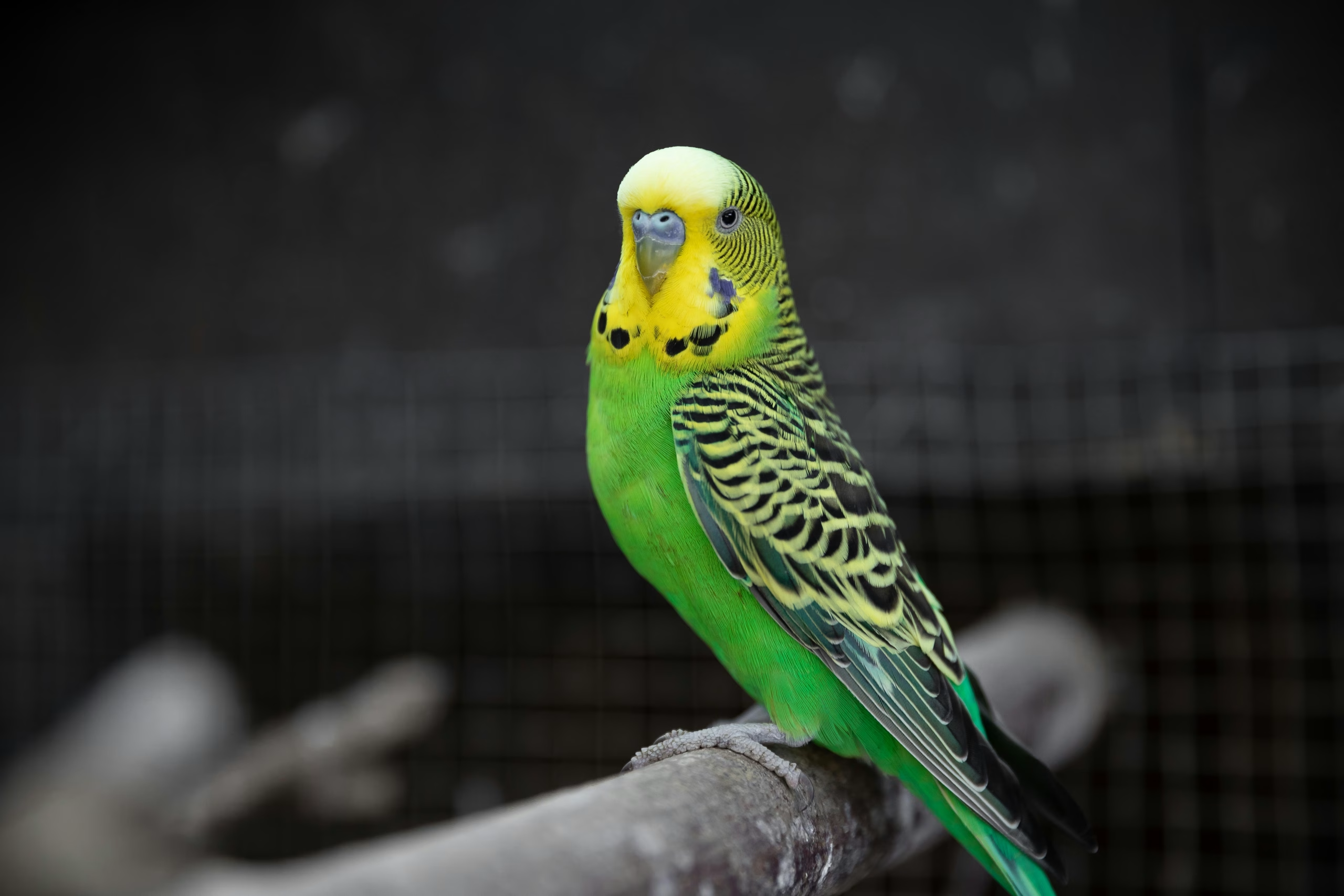
When most people think about pets, cats and dogs usually come to mind. But anyone who has ever shared their home with a bird will tell you that these feathered companions are just as affectionate, entertaining, and full of personality as any four-legged friend. Birds sing, play, and interact in ways that often surprise first-time owners. Yet, keeping a pet bird isn’t as simple as placing it in a cage and filling a bowl with seeds.
I still remember the first time I visited a friend who had a cockatiel. The little guy greeted me with a curious whistle, tilted his head, and hopped onto my shoulder as if we had known each other forever. That’s when I realized: birds aren’t just pretty creatures in cages—they’re intelligent, social animals that crave connection. If you’re considering bringing one into your home, this guide will help you understand what it really means to care for a pet bird.
Why Choose a Bird as a Pet?
Birds are unlike any other pet. They don’t need to be walked like a dog or trained to use a litter box like a cat, but they do need daily interaction and mental stimulation. Many species live a surprisingly long time. A parakeet (often called a budgie) might stay by your side for 10 years, while some parrots can outlive their owners, reaching ages of 40, 50, or even more.
But longevity is only part of their charm. Birds can form close emotional bonds with their owners, sometimes mimicking words or songs they hear around the house. Some people say their bird feels like a “tiny roommate with wings.” And because many birds are relatively small, they’re a great option for people living in apartments or homes where space is limited.
Choosing the Right Bird for Beginners
Here’s where many new owners make their first mistake: they fall in love with the idea of owning a big, colorful parrot without realizing the enormous responsibility that comes with it. Large parrots like macaws or African greys require hours of attention every day. They’re loud, they chew furniture, and if neglected, they may even scream for hours or pluck out their own feathers.
For beginners, it’s smarter to start with species that are friendly, adaptable, and easier to care for. Budgerigars, or budgies, are one of the most popular starter birds. They’re small, playful, and relatively easy to tame. Cockatiels are another favorite. Their gentle personality and whistling abilities make them wonderful companions. If you want something colorful and social, lovebirds are a joy to watch, though they do demand regular interaction. Canaries and finches are perfect for people who enjoy the beauty of birds but don’t necessarily want to handle them often—they’re singers and watchers rather than cuddlers.
Setting Up a Home for Your Bird
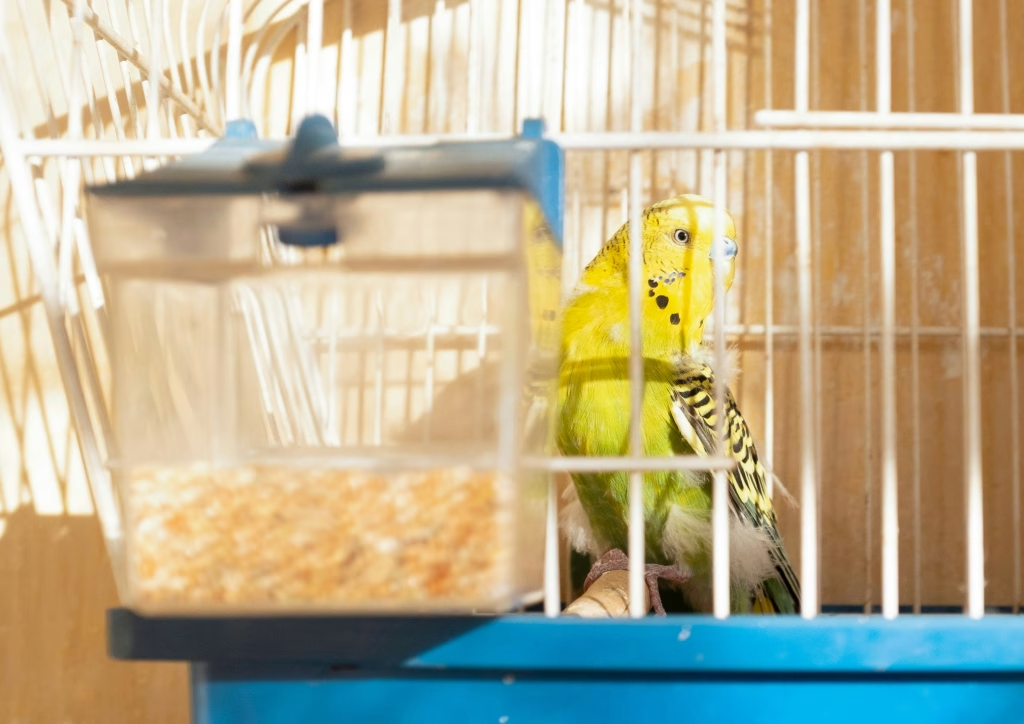
Think of your bird’s cage as more than just a container. It’s their entire world. In nature, birds have the sky, trees, and miles of space. In your home, their cage has to provide enough room and stimulation to make up for that loss.
When choosing a cage, always go bigger than you think you need. A budgie, for instance, might be tiny, but it still needs enough room to stretch its wings and hop between perches. For smaller birds, bar spacing should be narrow—no more than 1.5 cm—to prevent escapes or injuries.
Where you place the cage matters too. Birds love being part of the action, so set the cage in a bright room where your family spends time. Avoid kitchens, though, because fumes from non-stick pans can actually be deadly to birds. A spot near a window is great for natural light, but make sure they’re not in direct sunlight all day.
Inside the cage, variety is key. Offer different types of perches—wood, rope, natural branches—so your bird’s feet stay healthy. Add swings, ladders, and toys to keep their mind active. And here’s a tip many beginners overlook: rotate the toys every few weeks. Birds get bored quickly, and swapping out their playthings will make the environment feel fresh and exciting.
Feeding Your Feathered Friend
If there’s one myth about bird care that refuses to die, it’s this: “Birds eat seeds.” Yes, they love seeds, but relying on them alone is like feeding a child nothing but chips every day. Birds need a balanced diet.
Pellets are a much better foundation. They’re specially designed to give birds the vitamins and minerals they need. Add to that a variety of fresh fruits and vegetables—spinach, carrots, apples, broccoli—and you’ve got the building blocks of a healthy diet. Seeds can still be offered, but think of them as treats or rewards rather than the main meal.
Just as important is knowing what not to feed your bird. Avocado, chocolate, alcohol, caffeine, and salty or sugary foods are toxic. Even small amounts can cause serious harm. And don’t forget water. Replace it daily and clean the dish often, since bacteria can build up quickly.
Socialization and Daily Interaction
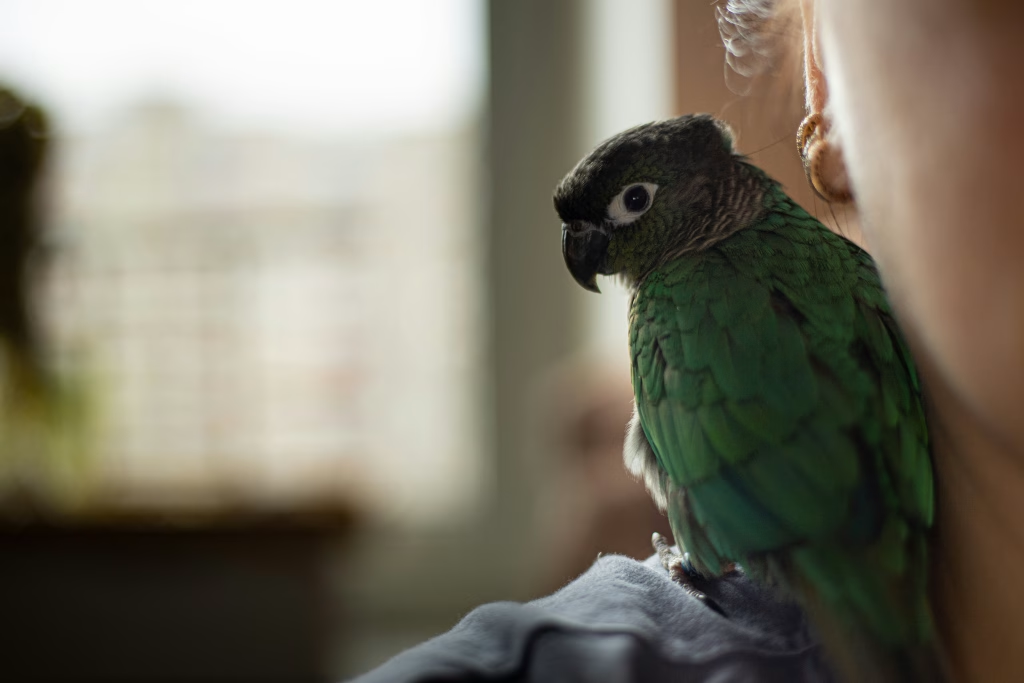
Here’s something every new bird owner needs to know: birds are flock animals. That means being alone for long stretches of time is unnatural for them. A lonely bird may scream, bite, or start plucking its feathers out of frustration.
The solution? Interaction. Spend time talking to your bird each day. It doesn’t have to be complicated—you can chat with them while doing chores or let them sit on your shoulder while you watch TV. Short training sessions, like teaching them to step up onto your hand, are great for bonding.
If your schedule keeps you away from home most of the day, consider getting a pair of birds. They’ll keep each other company, though keep in mind that bonded pairs may not interact with you as much.
Cleanliness and Health
Cleanliness is another cornerstone of bird care. Change food and water daily, remove waste from the cage, and give the entire setup a proper scrub at least once a week. Birds also love baths. Some enjoy splashing in a shallow dish of water, while others prefer being lightly misted with a spray bottle. Bathing keeps their feathers in good condition and helps them feel refreshed.
Keep a close eye on your bird’s behavior. If you notice changes in appetite, unusual droppings, or feather loss, don’t ignore it. Birds are experts at hiding illness, and by the time symptoms are obvious, the problem may already be serious.
Veterinary Care
Just as you wouldn’t skip the vet for a cat or dog, birds need professional care too. But here’s the catch: not every vet is trained to treat birds. Look for an avian veterinarian in your area. A specialist will know how to check for issues like respiratory infections, nutritional deficiencies, or parasites—things that general vets may miss. Even if your bird seems healthy, schedule annual checkups to catch problems early.
Final Thoughts
Owning a pet bird isn’t just about enjoying their beauty or songs—it’s about building a relationship. When you take the time to provide the right food, environment, and companionship, your bird will reward you with affection, personality, and even a few surprises (don’t be shocked if your cockatiel learns to whistle your favorite ringtone).
For beginners, the key is patience and preparation. Start with a species that matches your lifestyle, invest in a good setup, and commit to daily care. Do that, and you’ll discover that life with a bird is far richer and more rewarding than you ever imagined.