
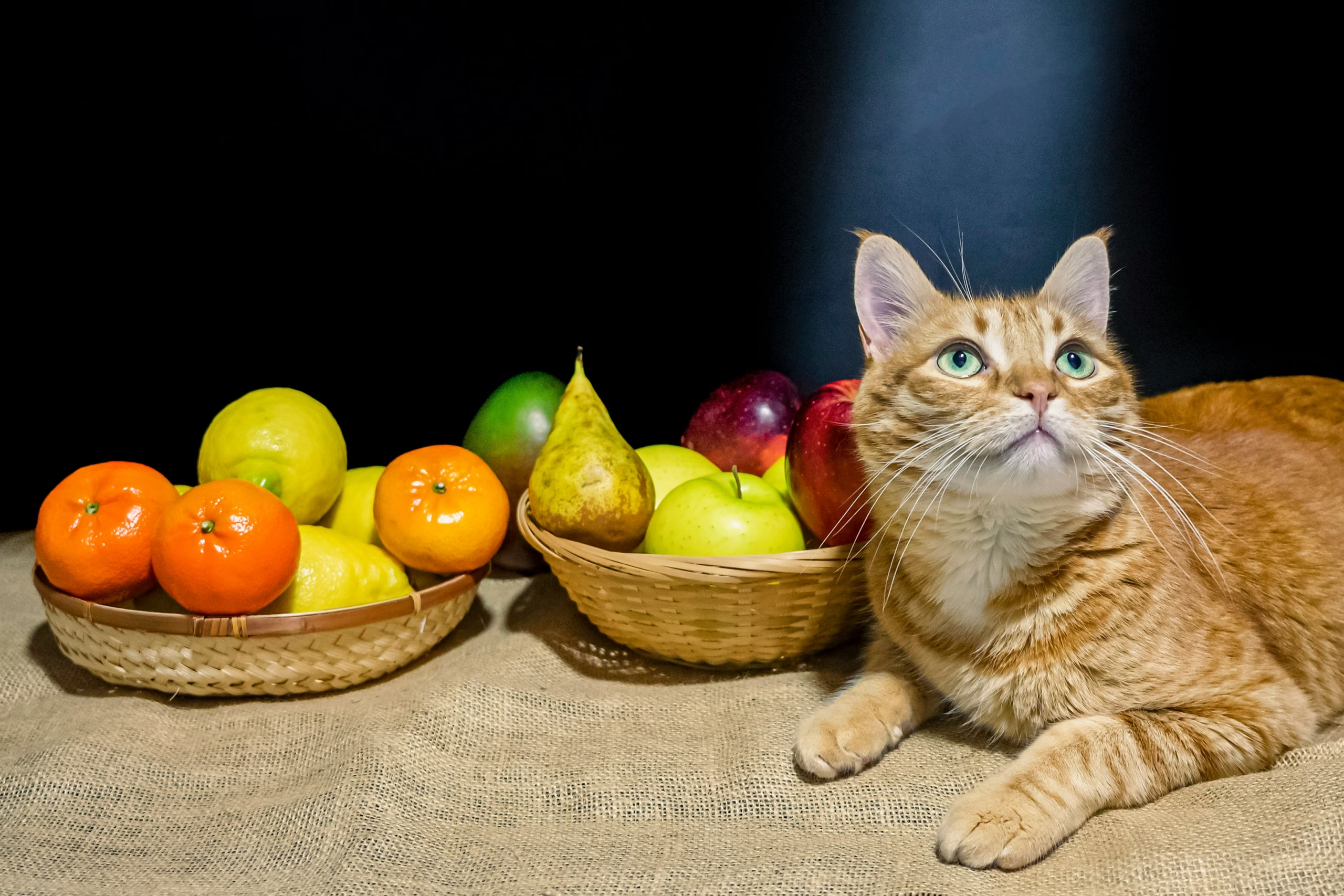
Feeding your loved cat to health begins with what’s on their plate. Advice on cat nutrition is something that every cat owner needs in their quest to ensure their pet has the best chance for a long and active life. Whether you have a playful kitten or an aging cat that prefers his napping post, knowing how to feed is key.
Simple questions that confront many cat owners but have few simple answers: How much should I feed my cat? What do I look for in the ingredients? Are treats okay? This guide decomposes everything you need to know about what your cat eats into common language. You will learn methods that keep you realistic and within your budget, yet give your cat the nutrition they need to thrive.
Why It Is Important to Feed Your Cat Correctly
Cats aren’t just small dogs. They have the special need for variety in their diet, which was passed on to them as hunters. Cats are not like dogs, which can eat all sorts of food. So to be able to live and thrive, that means that they need to eat meat.
It’s tough to get proper nutrition and it shows up in a lot of different ways. Your cat could have a dull coat, low energy or digestive issues. Over the years, bad eating habits can develop into severe diseases such as obesity, diabetes or kidney disease. The good news? Many of these issues could be avoided with proper feeding management.
When you adhere to good cat nutrition advice, you invest in your pet’s future. Shiny coats, plenty of energy for play and a strong immune system are just a few good signs of a healthy cat. They are also most likely to live longer and steer clear of those expensive vet bills down the line.
Essential Nutrients Every Cat Needs
Once you understand what makes a high-quality cat food, it helps you make better decisions when shopping. A cat has a very specific requirement for nutrients or it cannot function correctly.
Protein: The Building Block
Protein should be the lead player in every cat meal. Protein is a requirement for building muscle, repairing tissue and proper immune function in cats. Seek out foods in which meat, poultry or fish are the first ingredient.
Adult cats require a minimum of 26% protein in their diet, while most experts suggest anywhere from 30-40% for optimal health. Kittens, who are growing, need even more – approximately 30-35% protein to aid their growth process.
Fats for Energy and Health
Healthy fats are a concentrated energy source, and they also help cats absorb vitamins. They also maintain healthy skin and glossy fur. Fats in the form of omega-3 and omega-6 also help to combat inflammation, while maintaining cognitive function.
Good cat foods will have the animal-based fats listed (such as chicken fat or fish oil). Adult cats require about 9% fat in their diet, while kittens can benefit from 10-15%.
Vitamins and Minerals
There are some vitamins that cats cannot manufacture within their own bodies. Taurine is an essential amino acid that cats need in their diet. In the absence of sufficient taurine, cats can develop heart disease and vision issues.
Other important nutrients include:
- Vitamin A is important for immune and vision health
- Vitamin D for bone strength
- Calcium and phosphorus in support of healthy teeth and bones
- B vitamins for energy metabolism
Water: The Forgotten Nutrient
Hydration is something many people tend to forget about as cat nutrition advice. Cats also often do not drink enough water, particularly if they only eat dry food. This can cause urinary tract issues and kidney disease.
Encourage water intake by:
- Selecting special locations with fresh water
- Using a cat water fountain (a lot of cats like moving water)
- Adding wet food to their diet
- Cleaning water bowls daily
Choosing the Right Cat Food
The pet food aisle can be overwhelming. There are hundreds of brands that promise the best nutrition, yet not all foods were created equal.
Wet Food vs. Dry Food
No one type is seen as all positive or all negative. The right one is going to depend on what your cat requires and what works best for you.
| Food Type | Pros | Cons |
|---|---|---|
| Wet Food | More hydration, more protein in diet, closer to natural | It’s expensive and goes bad quickly; can cause buildup on teeth |
| Dry Kibble | Convenience, cost effective | Content of moisture isn’t favorable; higher carbs |
| Wet/Dry Combo | It’s the best of both worlds | Requires planning and storing all necessary items |
A combination is the practice favored by many veterinarians. Wet food should be the main meal and use dry foods for snacking and when you’re out of the home.
Reading Food Labels
The ingredient list is how you know what’s actually in the bag or can. Ingredients are listed by weight, so the items at the top matter most.
Red flags to avoid:
- Common terms such as “meat by-products” or “animal digest”
- Three main ingredients will be corn, wheat, or soy
- Artificial colors, flavors, or preservatives
- Sugar or excessive carbohydrates
Select foods that meet AAFCO (Association of American Feed Control Officials) nutrient profiles. This certification ensures that the food offers complete and balanced nutrition.
Life Stage Considerations
Cats have specific nutritional needs during different stages of their life. Always opt for food designed for your cat’s stage in life.
Kittens require more calories, protein and fat to grow. They should be eating kitten-specific food until about one year of age.
Adults (one year to seven) cats, maintenance diet should promote good health without the additional calories that lead to weight gain.
Senior cats (over 7 years of age) need a lower calorie diet with more fiber, and supplements that improve kidney function and joint health.
Portion Control and Feeding Schedules
Feeding even the best food can result in problems if you over-feed. More than 50 percent of pet cats in America are obese and suffer from diabetes, arthritis, pain, high blood pressure and kidney disease.
How Much to Feed
All cats are different, but some general rules of thumb help you get started. Adult cats typically require 20 calories for every pound of body weight per day. A 10-pound cat requires approximately 200 calories every day.
Review your cat food package for feeding guidelines, but keep in mind: These are starting points. Quantities will vary and can be adjusted for your cat:
- Activity level
- Metabolism
- Body condition
- Age and health status
Feeding Frequency
Cats are nibblers by nature, and naturally will eat many small meals throughout the day. Split their food intake at least into two daily meals, but three or four smaller meals are even better.
Some cats respond super well to free feeding (leaving a bowl of food out all day), others will eat too much. If your cat is an appropriate weight, free choice feeding is okay. But timing your meals can create portion control for all that.
Discover how to litter train your cat easily 🧼 Read the quick guide.
Monitoring Body Condition
Get to know how to judge your cat’s weight by looking at it and feeling for fat. A healthy cat should have:
- A waist you can see from the top down
- A tucked tummy as seen from the side
- Ribs you can feel but not see
If you can’t feel your cat’s ribs or the animal has a hanging belly, it’s time to cut back on portions. Discuss a safe plan for losing weight with your vet.
Special Diet Considerations
There are cats that require special attention in the matter of feeding. These cat diet tips are designed for special circumstances.
Indoor vs. Outdoor Cats
Indoor cats also tend to burn fewer calories, meaning they might require either less food or a lower-calorie formula. They’re also more susceptible to what I call boredom eating, so portion control is all the more important.
Outdoor cats have to use up more energy and their diets may need to be higher in calories, particularly during the winter months.
Food Allergies and Sensitivities
Then the meat can cause allergies or intolerances in some cats, too. Common symptoms include:
- Itchy skin or excessive grooming
- Vomiting or diarrhea
- Ear infections
- Hair loss
If you suspect ingredients in your dog’s food are the problem, consult your vet to narrow down dangerous food components. Limited ingredient diets or novel protein sources (duck, venison) often make the difference.
Health Conditions
Cats with medical issues may require prescription diets. These include:
- Diseases of the Kidneys: Low protein and phosphorus
- Diabetes: High protein, low carbohydrate
- Urinary health: Urine pH balancing foods
- Weight Control: Fewer calories and added fiber
Do not transition to a prescription diet without consulting a vet.
Treats and Snacks Done Right
This is not just a treat — it’s a chance to bond with your cat. But treats should amount to no more than 10% of a dog’s daily calories.
Healthy Treat Options
Ditch the processed snack full of empty calories. Better choices include:
- Finely shredded cooked chicken or turkey
- Freeze-dried meat treats
- Catnip (non-caloric and fun!)
- A scoop of plain canned pumpkin (healthy for digestion)
Training with Food
Strategically use treats for training or pushing medications. Crush the treats to tiny pieces for multiple rewards without too many calories.
Harmful Foods for Your Cat
A good cat nutrition tip in knowing what not to feed. Contrary to dogs, cats should not be given just about anything to eat. Many common fare items are toxic to cats and can result in severe illness or even death.
Never feed your cat:
- Onions, garlic, or chives
- Chocolate
- Grapes or raisins
- Alcohol
- Caffeine
- Raw dough
- Xylitol (artificial sweetener)
- Raw eggs or meat
- Bones
- Milk and milk-based products (most cats are lactose intolerant)
Keep these foods under lock and key, and teach your family members (especially kids!) what cats can’t eat.
Supplements: Do Cats Need Them?
If you are feeding a balanced commercial cat food, your cat likely doesn’t need supplements. In truth, over-supplementing can do more harm than good.
However, some situations warrant supplements:
- Omega-3 for cats with inflammation
- Probiotics for digestive health
- Supplements for senior cats with arthritis
- Vitamin B12 for cats that don’t absorb nutrients
It is best to ask your vet first before adding any supplements to your cat’s diet. What’s good for one cat may be bad for another.
Creating Positive Mealtime Experiences
It’s less what you feed than how you feed. These cat nutrition hacks make feeding time easy and stress-free.
Multiple Cat Households
Feeding multiple cats can be complicated. Some cats eat too quickly while others don’t seem to touch their food. Try these strategies:
- Serve cats in different rooms, or use barriers
- Slow down fast eaters with puzzle feeders
- Monitor the intake of each cat to avoid one stealing food
- Take eating at other times into account if personalities collide
Picky Eaters
Plus some cats sniff at perfectly good food. Before thinking your cat is simply picky, though, it’s important to rule out medical problems. Dental problems, nausea, or discomfort can also decrease the appetite.
For genuinely picky cats:
- Warm food to preserve the original taste or slightly cook to give an aroma kick
- Try different textures and flavors
- Be consistent (variety can make for pickiness)
- Not for treats alone is what you’re treated to
- Feed at the same times daily
Environmental Enrichment
Cats are hunters by nature. Puzzle feeders and food-dispensing toys activate natural instincts while offering mental enrichment. These tools are particularly useful for indoor cats who aren’t actively hunting for their own food. For more tips on keeping your feline friend happy and healthy, visit Daily Paw.
Transitioning to New Foods
Your cat’s stomach can become upset if you change his or her diet abruptly. Transition them slowly over 7-10 days.
Follow this schedule:
- Days 1-2: 75% previous food, 25% new food
- Days 3-4: Half the old food, half of the new stuff
- Days 5-6: 25% old food, 75% new herbs
- Day 7+: 100% new food
Look for any signs of digestive upset, such as vomiting or diarrhea. If a problem arises, slow your transition.
Frequently Asked Questions
How frequently should I feed my adult cat?
Two meals per day are ideal for adult cats, which can be fine-tuned to approximately 12 hours between feedings. Some cats prefer three smaller ones. The secret is a steady, timely dose.
Is it O.K. for cats to be vegetarians, vegans or omnivores?
No; cats are obligate carnivores and require nutrients that can only be obtained in animal-based foods. Taurine, for example, as an amino acid containing sulphur, vitamin and arachidonic acid also depending on it can be derived from meat. It’s not healthy to feed cats a vegetarian diet.
Why does my cat eat grass?
It’s unclear why cats are driven to consume grass, but a number of theories have been proposed. “Safe from a chemical standpoint as long as that grass is not sprayed for pests or bugs,” he says. But regular grass eating with vomiting could be a sign of digestive problems to bring up with your vet.
Should I feed my cat fish?
Fish can be one source of a balanced diet, but are not the only option for protein. Excess fish in the diet causes a vitamin E deficiency and may contain mercury. Limit fish to an occasional treat rather than a daily staple.
How can I tell if my cat food is good quality?
Seek out named animal proteins as the first listed ingredients, AAFCO approval and as few fillers or synthetic additives as possible. Good quality brands generally cost more but offer better nutrition and may cut down on vet bills over the long run.
Can I make homemade cat food?
Home-prepared diets are feasible, but more difficult to balance. Cats require balanced nutrient levels that are difficult to achieve without professional help. If you are interested in preparing your dog’s food at home, consult with a veterinary nutritionist to develop safe, balanced recipes.
Bringing It All Together
Your cat’s health starts with good nutrition. These cat nutrition tips empower you to make some educated choices when it comes to your cat’s diet. Always keep in mind that no two cats are the same. One size doesn’t fit all with this stuff.
Take note of your cat’s unique requirements, activity level and body condition. Regular veterinary visits can catch issues early, and you can also make adjustments in your feeding strategy as your cat gets older.
Begin with high-quality food that is suitable for your cat’s age. Size-eat portions to stay fit. Provide plenty of fresh water. Stay away from toxic foods and unnecessary supplements. Develop those happy dinner time memories while reducing stress.
These easy tips are the key to a long, happy, and healthy life for your cat. Your cat relies on you to make the right decisions about her nutrition. With the advice in this guide, you’re already well on your way to being the best cat parent ever.