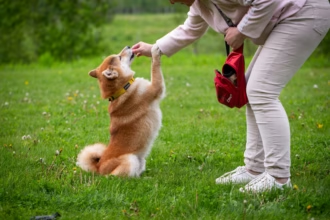

Here are a few troubleshooting tips and fun training games that will get your new pet up to speed, or help you bond with your current furry friend. You’re in the right place. You don’t have to spend months, or even years building a relationship with your pet. You can develop a strong, lasting bond in five days when you apply the right pet bonding advice and consistent practice.
Most pet parents have trouble bonding with their pets, especially in the start. Perhaps your dog acts skittish around you, or your cat spends the bulk of her day under the bed. These behaviors aren’t signs your pet dislikes you. They simply require time, patience and a chance to feel safe and loved.
This guide leads you through a tried-and-true five-day schedule filled with easy-to-follow dog bonding activities that are suitable for dogs, cats, and even some smaller pets. Each day will target action steps and practices that develop trust, create positive associations, integrate habits to bring you closer together.
Here’s Why Pet Bonding Is So (Much) More Important Than You Realize
Everything depends on the relationship between you and your pet. A strong bond results in better behavior, less stress and a happier home environment for all. When your pet knows they can trust you, training is easier, vet trips are less stressful and your fur baby feels safe when you’re not around.
Pets are also shown to have reduced levels of stress when they share strong emotional connections with their owners. They’re more confident, sociable and responsive to commands. And on your side, well, quality time with your pooch is shown to lower blood pressure and feelings of loneliness and increase mental health overall.
Building this connection isn’t complicated. All it takes is commitment, regularity and attention to the unique personality of your pet.
Day 1: Making Room for a Safe and Cozy Nest
The foundation of all relationships is built upon safety. By being comfortable with its surroundings, your pet will be more open to establish the emotional bond that you crave.
Set Up Their Personal Area
Make a certain place in your house your pet’s sanctuary. For dogs, this might be a warm bed tucked in a quiet corner with their most treasured toys. Cats tend to like high places such as perches or cat trees, from which they can watch the world below.
Make sure this area includes:
- A soft bed or blanket with your smell on it
- Fresh water within easy reach
- Some safe toys suitable to their size and species
- For cats, place the litter box nearby in a location that’s not so near to their food and water
Limit Overwhelming Interactions
Let your pet have some space. Spend the first day confining your tactile impulses. This is a mistake many beginners make. Instead, allow your pet to come to you on their own. Take a seat in their space and read a book, work on your laptop or just chill. Your relaxed energy helps them to realize you’re no threat.
Speak in soft, gentle tones. To keep from surprising anyone, don’t make any big moves or loud noise. If you have children, talk to them about why it is important to give the new pet space and time to adjust.
Establish Basic Routines
Pets thrive on predictability. On day one, begin establishing some predictable routines like feeding times, bathroom breaks and quiet time. Offer your pet meals on a consistent schedule during the day. Return dogs outdoors at regular intervals. These habits communicate stability and allow your pet to feel more secure.
Day 2: Communicating Through Body Language and Voice
Learning to read your pet and teaching them how to understand you is the heart of any set of pet bonding tips that work.
Learn Your Pet’s Signals
Each animal expresses feelings a little differently. Dogs wag their tails, but did you know that the direction and speed make a difference? A slow wag means probably, while a fast, broad swish and your dog is excited. Cats certainly do talk — to each other, at least. They communicate with ear position, tail movement and even the sounds they make.
Spend time observing your pet. Observe what they do when they’re in a good mood, scared, curious or uncomfortable. This sensibility can also help you to respond in a manner that meets their needs.
Use Positive Voice Association
Your voice becomes one of your most potent bonding tools. Begin using an exact term for different activities. When your pet does something you like, say “good” or “yes” in a happy voice. Say their name and good thing to them multiple times throughout the day.
Keep your tone consistent. For praise, happy, high-pitched voices are a good choice. The calm, even tones have soothing effect in times of stress. Never scream or get loud, even if you feel frustrated. Your pet won’t know exactly what you’re saying, but they will remember how your voice made them feel.
Practice Non-Threatening Approaches
If you’d like to come in contact with your pet, never approach them by looming over. This posture can appear intimidating, particularly toward smaller animals or shy dogs. Instead, lower yourself to their height by sitting or kneeling. Let them come to you instead of trying to shuffle-chase them around the room.
Let it sniff and smell your hand all over. Extend your flat hand slowly towards them, palm down, so they can do a check-sniff. This small act demonstrates that you respect their boundaries and establishes trust very early.
Day Three: Play With Me and Rewarding Experiences
Play is not only fun but also one of the strongest pet bonding tips you’ll ever employ. Playing does wonders for building positive associations with your presence and releasing feel-good hormones in both you and your pet.
Choose the Right Play Style
Various pets prefer various kinds of play. Many dogs are crazy about fetch, tug-of-war and other chase games. They enjoy hunting-style play with feather wands, laser lights or toy mice. Smaller animals such as rabbits take pleasure in obstacle courses, or simple games of hide-the-treat.
Observe your pet’s activity level and likes. Some pets like intense play in short bursts, while others may enjoy longer, gentler sessions. You match to their needs.
Create Positive Training Moments
Training sessions also make their way onto the list of great bonding moments. Keep sessions brief — five to 10 minutes at most — and always finish on a high. Reward your dog with treats, praise or petting.
Begin with such simple commands as “sit,” “come” or “stay” for dogs. Cats may come when called or give high-fives. The goal isn’t perfection. You’re building more good feelings that your pet has associated with you.
Build Trust Through Consistency
Regardless of the kind of play you choose, practice it regularly. He will begin to anticipate these special times that you spend together. They’ll wait for your signals and join with great enthusiasm, forging a stronger bond each time.

Day 4: Physical Touch and Grooming Connection
Touch induces oxytocin – known as the “love hormone” – in both humans and animals. Day four is about establishing comfort in touching.
Start With Gentle Petting
Not all pets like petting in the same way. Most dogs thoroughly enjoy a good belly rub or some behind-the-ear scratches. Most cats enjoy being scratched under the chin and stroked along the back, but some will react to having their paws or tail touched.
Observe to see how your pet is feeling. You’ve got a sweet spot if they lean into your hand. If they shift or are uncomfortable, respect the boundary.
Turn Grooming Into Quality Time
Grooming time is bonding time. Brushing extracts loose hair and allows you time to look over your pet’s skin, sanitize injuries if necessary, and even just spend some quality time together.
Dogs with lengthy coats should be brushed on a daily basis to prevent mats and tangles. For short-haired pets, a brushing one or two times a week is sufficient. Brush combative cats in brief sessions, giving treats afterward.
Massage and Relaxation Techniques
Learn basic pet massage techniques. It can feel incredibly soothing to make gentle, circular motions on your dog’s shoulders or stroke down a cat’s spine. These moments of connected silence deepen your bond and help your pet relax.
Some pets resist touch initially. Don’t force it. Keep training sessions in short for the first time, then increase accordingly if he starts accepting it a little more.
Day 5: Adventures and Firsts Together
Experiences that are shared make great memories and leave you connected. Day five leaps out of the walls of your home and into your relationship.
Explore New Environments
Try a new park or walking trail with your dog. Allow your cat to access an enclosed, outdoor space that is safe, such as a catio or even just another room they haven’t visited. The sights, sounds and smells of your new house are engaging your pet’s brain as it learns to trust you for protection and direction.
Confidence on one’s sojourns, but keep it cool. Your pet is observing how you’re responding to figure out if something is safe or scary. They relax, when you stay relaxed.
Introduce Variety to Their Routine
Try new activities together. Change out toys, try new treats or play different games. Variety makes things interesting and moves keeps boredom at bay, which is the nemesis of bonding.
And look for specially designed toys under the category of puzzle feeders or snuffle mats that actually turn mealtime into an activity you can watch and cheer on.
Celebrate Your Progress
Day 5: Your face should look better by day five. Your pet might greet you more excitedly or go searching for you around the house or try to get your attention frequently. These small victories deserve celebration.
Snap pictures, log behavioral changes in a journal or just take a few more hugs with your pet. Noticing that you are making progress encourages you to stick with these pet bonding tips for life.
The 5-Day Pet Bonding Schedule
Here is a summary table that will keep your focus day by day.
| Day | Focus Area | Core Activities | Expected Progress |
|---|---|---|---|
| 1 | Safety & Comfort | Create personal space, create routine, minimal contact | Pet feels safe in new place |
| 2 | Communication | Learn body language signs, voice cues, polite approaches | Better understanding of each other |
| 3 | Play & Train | Games to play together, very short training sessions | Pet associates you with happy times |
| 4 | Physical Grooming | Gentle touch lessons for massage | Comfort and trust rise |
| 5 | Common Adventures | New places visited. Be adventurous when it and has variety | Bonded at last |
Beyond the First Five Days
A strong bond doesn’t develop in five days. This is the first part, the fundamentals, but continued success and a deeper relationship are not 1-time efforts.
Continue the routines you’ve established. Your pet will be soothed by routine, so aim to keep feeding times and play sessions and walks the same. Throw some new experiences in every now and then to keep things interesting, but don’t ever leave behind the stuff that let you two connect.
Look for signs your bond is growing. Your pet could bring you toys, or choose to nap near you, for example, or act excited when you come home. They’ll be more responsive to their name and to commands. Flitting, anxious activities, such as hiding or non-stop yapping, should go down.
If you find that your pet is regressing or not reacting positively to these pet bonding tips, please reach out to a vet or animal behaviorist. Occasions, medical issues and/or previous trauma need to be addressed by professionals.
Common Mistakes to Avoid
Even with the best of intentions, pet owners can unintentionally sabotage attempts to bond. Here are some pitfalls to avoid:
Forcing it – Pets bond in their own time. Rescue animals or ones with troubled pasts might take not days but weeks or months. Don’t let it get to you if things feel like they’re moving too slowly.
Inconsistent rules – Your dog jumps on your couch one day and the next day you’re shouting at him when he tries. Consistency in expectations and rules creates trust.
Pain-Based Training – Negative reinforcement destroys your relationship. Don’t forget to reinforce: Always use reinforcing methods that encourage good behavior rather than punishing bad behavior.
Neglecting Stress Signals – If your pet is exhibiting signs of distress, scaring them more won’t make things better. Back off, give them room and try again later when you can stroke with a gentler lead hand.
Measuring Your Pet to Others – No 2 pets are the same. Your cat may never be as loving as your friend’s, and that’s just fine. Love your pet for the pet they are.
Special Considerations for Different Pets
Though these pet bonding techniques are universal, certain animals require special consideration.
For Dogs
Dogs are pack animals and thrive on social engagement. In most cases, they become attached more readily than cats, however they require clear direction and limitations to their behavior. Of course there is importance of regular exercise — a tired dog is generally a good dog, and a happy one. Add some training to your bonding for even more fun! Dogs love jobs and they love to please their humans.
Love your cat but hate the scratches on furniture? 😼 Fix it with these tips.
For Cats
Cats bond differently than dogs. They’re more self-reliant yet they can still get deeply attached. First, give each other some space. Interactive play resembling hunting fulfills their instinctual nature. Many cats form strong attachments during quiet time spent reading together on the sofa rather than active play.
For Small Pets
Rabbits, guinea pigs, hamsters and birds all have their own requirements to bond with them. Lots of little animals are prey species, and that means they’re wired to be careful. Bonding is a long process that requires patience and gentle, regular interaction. Hand-feeding treats is great for pocket pets. Sit still by their cage and give them time to get used to your presence before you touch them at all.

Frequently Asked Questions
How long does it actually take to bond with a pet?
And while this guide takes five days, real bonding is ongoing. You’ll make great strides in five days using the advice in these posts as consistently as you can, but the strongest connections form over months and years of shared experiences, trust-building, and mutual understanding.
What if my pet still appears to be scared of me after five days?
Some pets require more of an adjustment period, especially rescue animals or those with traumatized histories. Keep up the patience, the routines, and don’t push interactions. Would you consider a consultation with an animal behaviorist? They can evaluate your individual circumstances and offer specific advice.
Is there any way to bond with a new older pet I adopted?
Absolutely. Adult and senior pets often form those bonds quickly, because they know home and comfort. They could have a set personality that makes it easier to bond once they settle into their new home. Try the same methods described here by calorie, but adjusted based on any physical limitations or medical conditions.
Must I be with my pet all day long to develop a bond?
Quality matters more than quantity. I personally bond mine in the morning, I work full time and come home at lunch so they are uncrated from 12-5 and then again in the evening; doing this both morning and evening makes for strong bonds even if you do work full-time. I’d rather focus on 30 minutes of positive interaction in the day than to have spent hours coexisting, but distracted.
My pet loves my family, but not me. What should I do?
Assume the role of leading pet sitters for things your four-legged friend loves to do. If they love walks, be their walker. If food-driven, do all feeding ceremonies. Associate yourself with the sweetest moments of their day, and the attachment will form quite easily.
Do treats facilitate bonding, or is that bribery?
When employed in the proper way, treats make for wonderful bonding opportunities. They establish positive relationships with and reinforce the behavior you want your pup to exhibit. As long as treats account for no more than 10% of your pet’s daily caloric intake, weight maintenance remains smooth sailing.
Wrapping Up Your Five-Day Journey
Building a deep relationship with your pet is one of the most rewarding things in life. Animals provide such an abundance of unconditional love and affection, and enhance our lives in so many ways. By practicing these pet bonding tips for five consecutive days you’ve just created the foundation for a bond based on trust, knowledge and respect.
Keep in mind that every exchange one has with his/her pet can shape or mar the relationship. Choose patience over frustration. Select positive reinforcement over punishment. Consider your pet’s feelings as well as their physical condition.
Sure, some of the tools you’ve learned here—creating safe spaces for your children, communicating effectively with them, playing together and building touch tolerance—but they are not only for the first five days. Incorporate them into your relationship permanently. Adjust them as your pet grows and needs change.
Your pet doesn’t expect perfection. They just need you to be consistent, kind and actually there. Show up for them every day, in small ways, and you’ll create a bond that will disappear only with death.
Start today. From there, select one tip in this guide and implement it. Tomorrow, add another. Before you know it, you and your pet will have the kind of bond that lets every moment shared feel like the best one yet. That wagging tail, that soft purr, that uncensored greeting when you walk through the door — these are the benefits of a relationship well crafted.
Your five-day journey begins now. Make it count.
For more expert advice on pet care and bonding, visit our comprehensive resource center.