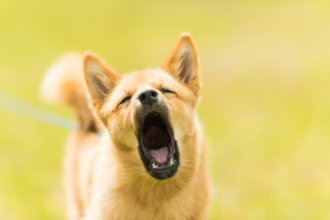
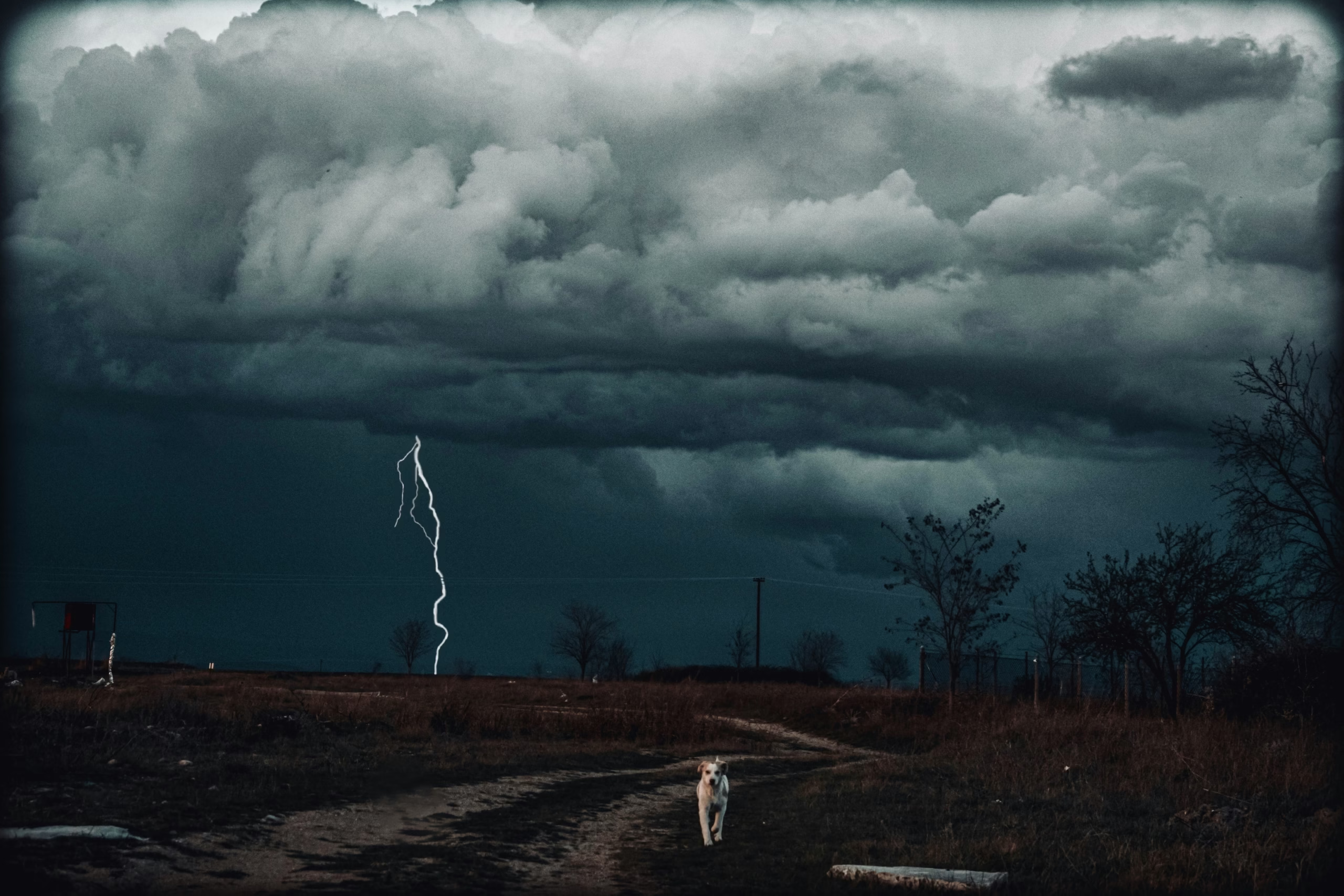
Does your fur baby begin shaking, panting or cowering when the first peal of thunder strikes? You’re not alone. Millions of dogs have storm anxiety, and seeing your best friend suffer through a bad storm is heartbreaking. The good news is that you can figure out how to calm anxious dog behavior during storms with a bit of the right strategies and patience.
Dogs with storm phobia experience more than just a little inconvenience. It’s a real fear, and it can leave your dog feeling scared and threatened. Some dogs might drool, pace around the house or even try to bolt. Knowing why it happens and what you can do will strengthen your bond and help both of you weather any storm—together.
Why Dogs Fear Storms
You can’t soothe anxious dog reactions until you know how your pet is thinking. Dogs process storms so differently than we do. Their senses are vastly superior, and thus they perceive changes in the environment that we might miss altogether.
Sensory Overload
Dogs are able to hear thunder from miles away before humans realize a storm is coming. They also hear low-frequency sounds we can’t. It is a sensational storm, with very bright lightning flashes and shifts in air pressure and the smell of rain. Static electricity from their fur can also give them uncomfortable zaps which enhances this sense of unease.
Past Experiences
If your dog had a frightening encounter, such as during a storm, when they were younger, this may lead to an ongoing fear. Perhaps they were by themselves the first time they experienced a big thunderstorm; or maybe they were outdoors when lightning hit close to them. These memories can haunt them and breed anxiety whenever storm clouds gather.
Genetic Factors
Certain breeds of dogs are more susceptible to anxiety than others. Herding breeds like German shepherds and border collies tend to be more anxious. That’s not to say other breeds can’t be affected—dogs of any kind are susceptible to storm phobia, independent of their ancestry.
Creating a Safe Haven
One of the best ways to ease anxious dog behavior is by providing them with a safe haven where they feel protected. Think of it as their private storm bunker.
Choose the Right Location
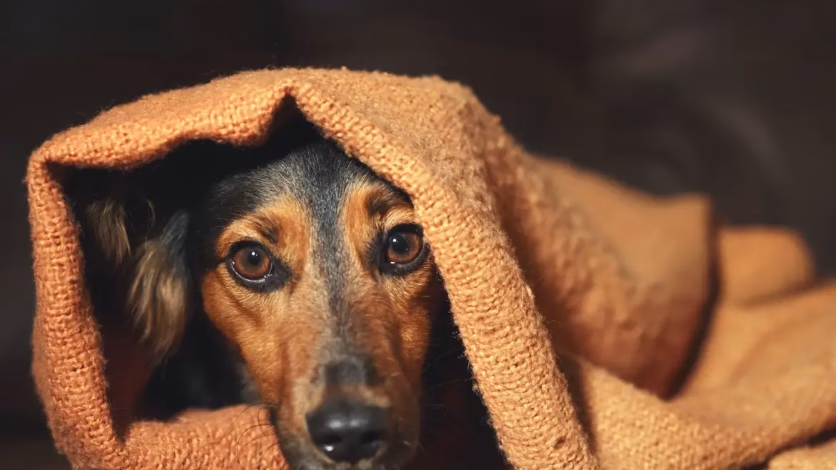
Choose a room or spot in your home with fewer windows and away from exterior walls. Interior bathrooms, closets or basement rooms will do. The space must be able to minimize noise and light. In stormy weather, lots of dogs instinctively search out these spots, so pay attention to where your dog likes to hide when they’re scared.
Make It Comfortable
Fill the safe space with your dog’s favorite blanket, toys and perhaps an old T-shirt that smells like you. Familiar scents help reduce anxiety. Fill it with padding or cushions to create a cozy spot. If your dog enjoys presence, it can also act as a safe space—but remember to never drag or force them inside or shut the door if they want to leave.
Set It Up Before the Storm
You don’t have to wait until the thunder starts rolling. Keep this space storm-season ready at all times. On calm days let the dog explore it so that it comes to associate the basement with something other than abject terror.
Sound Management Techniques
One of the biggest storm anxiety triggers is loud noise. It can greatly reduce anxious dog reactions to thunder.
White Noise and Music
Put on a fan, air conditioner or white noise machine before the storm arrives. These continual noises also help to cover up the unexpected bangs of thunder. You can also play soothing music made especially for dogs. Classical or reggae has the magic touch for nervous pets.
TV and Radio
Leaving the television or radio on at a low volume creates background noise that reduces the jarring effects of thunder. Opt for something with a consistent audio level rather than action films featuring explosions that may actually remind you of the stressful situation.
Soundproofing
Consider temporary soundproofing of your dog’s safe space for severe cases. Heavy curtains, blankets on windows and weather stripping under doors can all help to mitigate sound penetration.
Physical Comfort Solutions
And for some dogs experiencing any type of anxious feelings, there’s real relief in being hugged—especially when it’s done by a person they trust.
Anxiety Wraps and Vests
Dog anxiety wraps are swaddles for dogs that apply gentle, constant pressure. This squeeze produces calming hormones, and causes many dogs to feel more secure. Thundershirt and others make popular brands of compression vests. For best results, put the wrap on your dog before the storm begins.
Massage and Touch
Gentle massage can do wonders for a dog that is nervous. Run your hands firmly down their back and sides using slow strokes. Some dogs like ear massages or light pressure on certain calming points. Pay attention to your dog’s body language—if they recoil, give them some space instead.
Stay Calm Yourself
Dogs pick up on our emotions. Your dog will pick up on cues of anxiety or worry if you act that way. Try to look perfectly normal and calm during storms. You can reassure your dog without reinforcing their fear—contrary to old myths, you don’t make anxiety worse by being supportive.
Distraction and Engagement
Distraction “A busy brain doesn’t think about storms” is one of the mantras Wilbourn relies on, so distract your dog’s mind.
Interactive Toys
Puzzle toys stuffed with treats provide your dog with a positive outlet for allowed behavior. Don’t forget to use a few frozen Kong toys, packed with peanut butter or some dreamy substance like that, which will keep them both busy chewing for a while. Only feed these special treats during storms so they are associated with something good.
Training Games
Teach simple commands and tricks during mild storms. This shifts their focus, and also rewards calm behavior. Keep sessions short and fun. If your dog is too upset to stay focused, don’t force it—consider other approaches.
Chewing Options
Bully sticks or other long-lasting chews, including dental varieties, provide an outlet for nervous energy in anxious dogs. The act of chewing is soothing, and it releases endorphins in the brain which relax doggos.
Desensitization Training
This long-range plan can make dogs less reactive to storm or hearing sounds. It may require a degree of patience, but it’s also one of the most viable methods guaranteeing a lifetime resolution to an anxious dog’s reactions.
How It Works
Begin by playing a recording of storm sounds very quietly in the background while you are doing something your dog really loves—like playing, eating treats or getting belly rubs. Over weeks or months, increasing the volume slowly while always maintaining a happy and relaxed dog. Never rush this process.
Practice Regularly
It is more effective to have brief daily sessions than long, intermittent ones. Even five minutes a day helps to build a positive association with the sound of storms. Use high-value treats that your dog only receives during training.
Professional Help
It might be worth looking into a accredited dog trainer or veterinarian behaviorist that has expertise in anxiety related problems. They’ll be able to design a personalized desensitization plan for your dog.
Natural Remedies and Supplements
Natural remedies can also help soothe the symptoms of an anxious dog in other cases, without medications.
| Product | How It Works | Typical Results |
|---|---|---|
| CBD Oil | Interacts with nervous system receptors | Could ease anxiety in 30-60 minutes |
| Melatonin | Regulates sleep, reduces stress | Helps with mild anxiety |
| Chamomile | Natural relaxant | Mild calming effect |
| L-theanine | Amino acid to relax body and mind | Accumulates in the body after regular use |
| Valerian Root | Herbal sedative | Suppresses nervous system function |
Consult your veterinarian before giving your dog supplements of any kind. They’ll be able to instruct you on the appropriate dose according to your dog’s size and health. Natural isn’t always safe—some remedies can interact with medications or have side effects.
Calming Pheromones
Products such as Adaptil emit dog-appeasing pheromones, which are designed to replicate the calming odor that mother dogs give off for their puppies. These are available as diffusers, sprays, and collars. Many of our customers find great results with regular use.
When to Consider Medication
For dogs who have a serious fear of storms, medication may be needed in order to control anxious dog behavior successfully.
Short-Term Solutions
And fast-acting anti-anxiety medications can help to get some people through an individual storm. Your vet may recommend medications like benzodiazepines or something similar, which can help within 30-60 minutes. These are handy when you know a storm is on its way and other tricks won’t do.
Long-Term Management
Dogs who suffer extreme or enduring anxiety may require daily medications that accumulate in their system. SSRIs and other anti-anxiety medications can lower generalized anxiety, which makes storms more manageable. These usually take weeks to become fully effective.
Did you know pet insurance is booming in 2025? 💰 See what’s driving it.
Working With Your Vet
Be honest about how bad your dog’s anxiety is. Explain exactly what’s been happening and how long these episodes of behavior have lasted and what you’ve already attempted. This information is critical to helping your vet recommend the correct treatment. You should never give your dog human medicines without a veterinarian signing off first—many are toxic to pets.
What Not to Do
What not to do is just as important as what to do.
Don’t Punish Fearful Behavior
Your dog isn’t being bad—they’re truly afraid. Yelling or punishment will only cause them to be more anxious and harm your relationship. Stay patient and supportive instead.
Don’t Force Exposure
There are those who believe that exposing a frightened dog to storms and loud noises forces the animal to face them head-on, eventually getting “over it.” This method almost always backfires and can make phobias worse. Your dog’s comfort comes first.
Don’t Leave Them Alone
Whenever possible, it’s best to be home with your dog during severe storms—especially if your pet has established a debilitating pattern of anxiety. Dogs abandoned during panic attacks can self-harm in the process of trying to escape or hide. They may destroy property—or have accidents in the house.
Don’t Ignore Warning Signs
Excessive drooling, destruction and attempts to escape are serious signs. These behaviors can become more extreme if left unattended. Preventive action is always more effective than waiting until the thing has gotten bad, and early intervention works much better than waiting till things are severe.
Building Long-Term Resilience
The most effective method to overcome anxious dog behavior involves managing it with a variety of strategies over time.
Consistency Matters
Implement the same tactics whenever a storm looms. Routine and predictability are like the bread-and-butter for dogs. They feel safer when they have an idea of what is coming.
Track Progress
Keep a basic journal listing your dog’s responses to storms and what you tried. Eventually patterns will emerge and you’ll get a sense of what works for your individual pet. This information is also useful if you ever have to ask a trainer or veterinarian for help.
Celebrate Small Wins
Your dog is doing even a little better—they stopped pacing as much or gobbled a treat during the last thunderstorm—than that’s progress. Confidence takes time to build, but every little step helps.
Storm Preparation Checklist
Preparing to take shelter in advance of a storm can make everything much less stressful for you and your dog.
Weather Monitoring
Download weather apps that will alert you if there are storms headed your way. The more notice you have, the more ability you have to prepare. Some apps even offer storm alerts geared exclusively for pet parents.
Keep Supplies Ready
Have your dog’s comfort items, Anxiety Wrap, some favorite treats and any medications handy. Scuttling around looking for things when thunder is already grumbling is a losing strategy.
Exercise Before Storms
If you know a storm is heading our way, give your dog some extra exercise in the morning. The tired dog is usually the calm dog. Exercise can help burn off nervous energy.
ID and Microchip
Dogs that are afraid of storms will flee in terror. Ensure that your dog has current ID tags, and an updated microchip registration as well. This significantly increases the odds of having them returned to you should they go missing.
Frequently Asked Questions
How long does it take to calm a dog with anxiety during storms?
Exactly how long will depend on your dog and your situation. Dogs vary and some respond immediately to calming efforts within minutes, while a dog with a severe phobia might stay anxious the entire storm. The majority of dogs will improve over a period of weeks to months with consistent training and management.
Can puppies develop storm phobia?
Yes, puppies can get storm anxiety, especially if they have scary experiences with storms during critical fear periods (usually around 8-10 weeks and 6-14 months). Phobias can be avoided later on with early, positive exposure to the sounds of a storm.
Will my dog grow out of storm phobia?
It is rare for storm phobia to resolve on its own. Untreated, it tends to stay the same or worsen over time. Remember, though—many dogs can make vast (if not complete) improvements with obedience and management.
Can I cuddle my anxious dog during a storm?
Yes! The old wives’ tale that consoling a dog in distress will only serve to reinforce its fear is almost entirely incorrect. You can comfort and reassure physically without just making the anxiety worse. Just go by your dog’s cues—some like space, and others need to be close.
But what if nothing seems to help?
If you have tried several methods to no avail, seek the help of a veterinary behaviorist. They are specialists trained in anxiety disorders who can create a personalized treatment plan for you. Those with severe cases may require medicine, behavior modification or changes in the environment.
Should I crate during a storm?
If and only if your dog already thinks of their crate as a safe, positive space. Never put an anxious dog in a crate during a storm, as it could hurt itself trying to get out. If your canine fancies their crate, keep the door ajar so they can move in and out as they please.
Moving Forward With Confidence
If teaching your anxious dog to settle during storms seems like a challenge, don’t worry—patience is key, but the rewards will be worth it. Every dog is an individual, so what works for one may not help another. If your early efforts don’t result in having solved everything immediately—don’t get discouraged.
Begin with the basics: Your goal is to create a safe space, control noise and keep yourself calm. Gradually introduce other techniques depending on how your dog is reacting. Always keep in mind that even small gains in your dog’s comfort are real progress.
When your dog’s world becomes a scary place, they turn to you for help feeling safe. With the right approach (and steady effort), you can make your furry pal much happier during storms. For more helpful tips on caring for your anxious pet, check out additional resources and expert guidance. The bond you will make through this process is going to bolster your relationship as well as accustom your dog to feeling safe enough to conquer their fears.
From mild nervousness to crippling panic, you’ve got a full toolkit to get your dog through stormy weather. Begin implementing these strategies today, and those rumbling clouds will soon not appear quite so scary to your four-legged friend.