
A new cat is exciting, but accidents around the house? Not so much. The good news is that litter training cats is generally an easy process, as cats typically have a preference to cover up their messes. With the right setup and method, most cats will eventually learn to use the litter box.
Whether you’ve returned home with a tiny kitten, adopted an adult cat, or are dealing with potty problems in your feline friend, this guide will give you everything you need to know about how to litter train cats. You’ll even find out what equipment you need and where to position the box, as well as some of the most common challenges that may arise.
The Reason Cats Take to the Litter Box Naturally
Cats have instincts that play in your favor. In the wild, cats will bury their waste to keep predators from detecting them and they also mark territory so landing where another cat has been could be distressing for Mog. Your cat has this automatic behavior built-in, so your cat essentially already wants to dig, go and then cover up.
When you supply a clean litter box in the right place, all you’re doing is offering your cat an acceptable location to act on these natural urges. This is one reason that it’s easier to litter train cats than it is to housebreak dogs. Your job is just to lead them to the box and make it so attractive they pick it every time.
Essential Supplies for Litter Training
Before you get started on litter training cats, gather these essential supplies:
Litter Box: Pick a box your cat can easily get in and out of, that’s big enough for them to turn around comfortably. As a rule, the box should be at least one-and-a-half times as long as your cat from nose to tail base. Kittens require smaller boxes with low sides that are easy for them to climb into.
Cat Litter: You can purchase clumping clay, non-clumping clay, crystal and natural (like wood or corn). Fine-grain unscented litter that feels gentle on paws is the most popular choice of cats. Begin with what the shelter or breeder was using and transition slowly if necessary.
Litter Scoop: A durable scoop with slots lets you easily clean litter box.
Mat: Add a textured mat under and in front of the box to catch litter that clings to your cat’s paws.
Cleaning Supplies: Enzyme based cleaner in case of accidents. Ordinary cleaners won’t eliminate the odor markers that cause pets to re-soil the same area.
Establishing the Right Litter Box Location
Where you do the training is a very important factor when it comes to litter training cats. Place the box in the wrong location, and your cat may reject it entirely.
Select Quiet, Low Traffic Spaces: Cats require some privacy when going to the bathroom. Don’t set boxes beside washing machines, dryers or the furnace that roar to life with a sudden racket. Nor are busy hallways — where people walk by all of the time.
Separate Food and Water: Cats will not go to the bathroom near where they eat. This is another natural instinct. The litter box should be in a separate room, or at minimum several feet from food bowls.
Location, Location: The litter box needs to be easily accessible for your cat from all over the house. For multi-story homes, place one box on each level. Older cats or kittens, in particular, require the most convenient access without climbing stairs each and every time.
Shun Corners and Tight Places: Covered boxes may seem they would provide privacy, however many cats feel cornered while inside them. If you simply must use a covered box, choose one with good ventilation and take off the door flap.
The Very First Introduction: Day 1-3
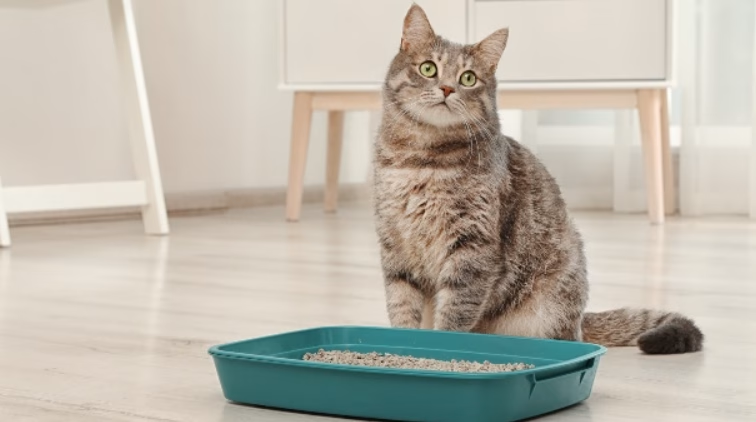
When you take your cat home: litter training cats begins from the moment you arrive back with them. Here’s your timeline:
First Hour: Let your cat know where the litter box is kept. Then place them gently inside the box and let them explore. Don’t scratch with their paws at the litter or be trapped by you. Just let them explore naturally.
After Meals and Naps: These are common times that cats must pee. Very gently place your cat in the litter box as soon as they wake up or about 15-20 minutes after eating. Put them in the box and wait around. When they do, be sure to reward them with a little praise or treat.
Look Out for Pre-Bathroom Cues: Cats often sniff the floor, make circles, squat a bit or begin to scratch at the floor when they need to go. When you see these signals, quickly direct your cat to the litter box.
Remain Calm: If your cat has an accident outside the litter box don’t scream or punish. Cats do not get punishment. Just clean the area well with an enzyme cleaner and keep taking them to the potty spot.
Training Progress Timeline
| Day | Focus Activity | Expected Outcome |
|---|---|---|
| Day 1 | Introduce Box (Uncovered) | Cat views box, some may use it or not |
| Day 2 | Guide after meals/nap | Most cats use box at least once |
| Day 3 | Monitor and reward | Consistently using the box |
How Many Litter Boxes Do You Really Need?
The general rule is one litter box per cat, plus an extra. So if you have one cat, you want two boxes. Three boxes are required by two cats, and so on.
Why the extra box? Cats can be picky. Some like to pee in one box and defecate in another. Others simply refuse to use an already soiled box, even if it’s their own waste. Having more than one box prevents accidents when you’re litter training multiple cats in multi-cat homes.
Position boxes in various spots within your house. Don’t put them side by side in the same room because cats regard that as different bathrooms all in one space, rather than separate options.
Litter Box Cleaning: The Foundation For Long-Term Success
Cats are extremely clean animals. The dirty litter box is the first cause of why cats stop using their litter. With cats, potty training is not just a manner of cleanliness but also their sanity.
Daily Scooping: Take solid and urine clumps out every day. It only takes a few minutes, but it makes a huge difference. Odors build up over time, so if you wait too long between cleanings your cat may look for another toilet.
Once a Week: Once a week, pour out all of the litter, wash the box with mild soap and warm water, make sure to dry it thoroughly and refill. Stay away from harsh chemicals or cleaners with strong odors that might deter your cat.
Thorough Monthly Cleaning: Every month, do an intensive scrubbing of the box — not just its walls and floor, but also all nooks and crannies where urine can collect over time. Inspect plastic boxes for cracks or scratches that bacteria might hide in. Entirely replace the box annually or when it is significantly worn.
The Right Litter Depth: Keep 2-3 inches of litter in each box. Too shallow, and cats can’t dig properly. Too much and it just gets messy and wasteful.
Special Considerations for Kittens
The easiest time for litter training cats is while they’re kittens because cats learn better at younger ages. The idea of the litter box is understood by most kittens naturally by observing their mother. You’ll need even more patience if you’re getting a kitten younger than 8 weeks old (not that I recommend it, but it happens anyway).
Shallow Boxes Are Best For Kittens: Remember, kittens have small legs. Traditional litter boxes have high sides that are not climbable by infants. Use a cardboard box lid or a dedicated kitten pan until they’re bigger.
Non-Clumping Litter for Young Kittens: Obviously, clumping litter is harmful if swallowed; it swells in the stomach. Utilize cat litter that is non-clumping until your kitten has reached the age of 3-4 months.
Frequent Bathroom Trips: Kittens have smaller bladders and need to poop/pee more frequently than adult cats. Lead them to the box every 2-3 hours during the day at least (and especially after playing, eating, or sleeping).
Accidents Happen: Occasionally, baby kittens play so hard that they will forget to go to the box until it is too late. Encourage playtime near the litter box and remind them constantly where that box is.
Tackling Adult Cat Training Issues
The good news is that most adult cats already know how to use a litter box. When you’re litter training cats that are older, the process is usually only a matter of helping them to understand where the box is in your home. But some adult cats come from hard backgrounds or have developed bad habits.
Former Outdoor Cats: Cats accustomed to being outside might not comprehend indoor litter boxes at first. Add some dirt or sand to the litter at first, so that it feels more like home. Gradually blend in more regular litter over 2-3 weeks until you have transitioned completely.
Neglected Cats: A lot of rescue cats were never taught to use the litter box. These cats require the same tolerant, positive approach you’d use with kittens. Repeat the showing followed by treats and gentle praise to them each time they go into the box correctly.
Older Cats: Senior cats might have arthritis or mobility problems that prevent them from climbing into high-sided boxes. Change over to low-entry boxes or possibly even puppy pads in boxes, as needed. Some senior kitties may also develop medical problems that impact bathroom control, so consult your vet if issues persist.
Big Training Errors – Don’t Screw Up Your Hard Work!
Even with the best of intentions, people make mistakes when litter training their cats. Avoid these common pitfalls:
Box Moving: If you find a spot, leave the box there. Cats know where things are, and if the box continuously moves around, they get confused.
Scented Litter: What smells good to you may be offensive to your kitty’s delicate nose. Stick with unscented varieties.
Not Enough Boxes: Skimping on boxes is cheaper and more time efficient initially, but more costly in the long run when it comes to cleaning accidents and stress.
Mistake of Punishment: Rubbing your cat’s nose in accidents or yelling at them simply teaches the cat to fear you, not how to use litter box. In fact, it can make issues worse.
Dirty Boxes: Allowing garbage to accumulate is a recipe for disaster. Would you want to use a nasty bathroom? Neither will your cat.
Bad Box Size: Tiny box, not for big cat. Ensure that your cat can turn comfortably in it.
Issue and Problem Solving When Accidents Occur
Even with ideal setup and training, litter training cats is sometimes bumpy. Here’s how to troubleshoot:
Medical Matters First: If your cat was previously trained and then stops using the box out of nowhere, make a vet appointment as soon as possible. Bathroom accidents can also be an early sign of urinary tract infections, kidney disease, diabetes and other health problems.
Stress and Anxiety: Cats feel the pressure of changes in their environment, such as moving to a new home, getting new pets or people (including visitors), or simply relocating your old furniture. This anxiety sometimes shows up as avoidance of the litter box. Maintain routines as much as possible and offer calm, quiet spaces.
Litter Box Aversion: Your cat could be averse to something specifically about the box. Experiment with different litter and/or boxes, or different locations. Occasionally a cat may develop an aversion if it caused pain when they used the box (as during urinary infection).
Territorial Marking: NOT the same as normal urination. Cats that spray urine onto vertical surfaces or leave small amounts of feces in obvious areas are marking territory, not soiling places accidentally. This behavior requires other solutions, including eliminating stressors and sometimes medication.
Following the Pattern: Log where and when accidents occur. First thing in the morning? After you leave for work? In specific rooms? Patterns help you know what is causing the problem so you can fix it correctly.
Multiple Cats: Additional Tips for Success
Litter training cats can be a bit more challenging as the number of cats increases. Cats’ hierarchies and bathroom politics come into play in behavior responses, too.
Resource Guarding: Dominant cats may resource guard litter boxes and stop others from using them. Multiple boxes in various locations prevent one cat from gaining monopoly control on all of the bathrooms.
Personal Preference: Every cat has unique tastes. One may like covered boxes while the other doesn’t. One likes clumping fine litter while the other prefers crystals. You can also present variety when setting up multiple boxes.
Proper Introduction: Before introducing them to the resident cats, show new cats where the litter boxes are. That way, they know where to go even when the new environment and pets stress them out.
Look Out For Bullies: Keep a close eye on bathroom behavior for those first few weeks. If you see one cat camping outside the litter box area or running others away, add additional boxes in areas the bullied cat has easy access to but other cats clear out of.
Transition to a New Litter Box or Type of Litter
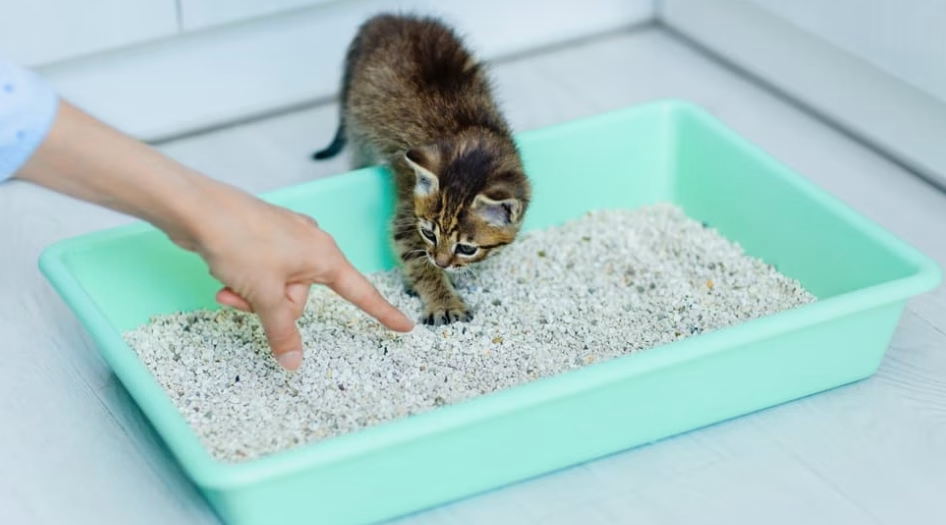
Other times you have to switch litters or get a new box. Do it slowly over time so you do not ruin all your cat’s success at being litter trained.
The 25% Rule: Combine new litter with old litter based upon a ratio of 25% new to 75% old. You may work your way up to that ratio after a few days at starting point, and you will have made the complete switch in about 2-3 weeks.
Transition Boxes Gradually: Put the new box next to the old one. If your cat goes to the new box consistently, move it a few inches per day towards the final location. Get rid of the old box only when your cat starts to use the new one all the time.
Anticipate Resistance: Cats are change-phobic. If your cat rejects the new arrangement, slow down the process. It can take picky cats even one month to adjust.
Building Long-Term Litter Box Success
After enjoying the first successful days of litter training cats, keep up good habits to avoid backsliding:
Stay Consistent: Stick to the maintenance and cleanliness regime. Cats love a good old routine and predictability.
Yearly Vet Checkups: Their health will be kept in check and issues discovered before they become urinary ones.
Environmental Enrichment: Bored and stressed cats can develop behavioral problems such as aversion to the litter box. Give them scratching posts, toys, window perches and playtime. For more tips on keeping your cat happy and healthy, visit Daily Paw.
Trust Their Instincts: Consider that your cat’s bathroom behavior is linked to deep instincts. Use these instincts instead of struggling against them.
Want to train your pet the smart way? 🐾 Learn about clicker methods.
Litter Training Cats: FAQs
How long does it take to litter train cats? For most cats, assuming they are physically healthy and the setup is correct, it takes a really short time like 1-3 days to learn. Kittens with watchful mothers seem to very often cotton on at once. Adult cats with hard knocks in their history may even require 2-3 weeks of focused repetition.
Is it possible to train an outdoor cat to use a litter box? Yes, but it requires patience. Begin by mixing outdoor soil into the litter box to make it familiar. Gradually increase the ratio of litter-to-soil over several weeks. During this transition period, keep the cat indoors.
What if my cat uses the box for urine but not feces? This is usually the case if your cat just needs more boxes. Some cats like to have different receptacles for each activity. Try a second box in another location and be religious about keeping all boxes very clean.
Is it normal for cats to dig too much in the litter box? Some digging is natural and good, since it’s something that comes from instinct. Over-enthusiastic digging could indicate the litter is too shallow, the box is too small or that your cat is stressed. Try adjusting these factors first.
Should I use a liner in my litter box? All humans hate cleaning out the litter box, but if you’re using plastic liners for your feline friend, many cats dislike them. Liners also do little to curb odors or facilitate cleanup considerably. Skip them unless your individual cat takes well to them.
Why does my cat perch on a box instead of going in it? This is often a sign that the box is too small or the litter is unpleasant (too deep, the wrong texture, or dirty). Try one of those bigger boxes with new litter to see if behavior improves.
Act Now On Your Path To Success
Training cats to use the litter box is a bit of common sense plus understanding kitty behavior. Most cats like to use a litter box — it suits their hardwired behaviors. All that’s required of you is to provide an environment where the litter box is the most appealing bathroom in your home.
Begin with clean boxes in quiet corners, keep them well-tended over time and offer your cat patient guidance during those first few days. Pay attention to symptoms of potential medical problems or anxiety that could lead to issues. Tailor to your own cat’s needs (and desires).
Follow the tips and strategy in this guide and you’ll have a reliably trained cat within days. The little bit of work you put in now to litter train cats properly reaps dividends of super clean, stress-free life for years to come. Your cat will be happier, you’ll keep your house fresher and you’ll set the stage for trust-building that cements your bond forever.