
Introduction
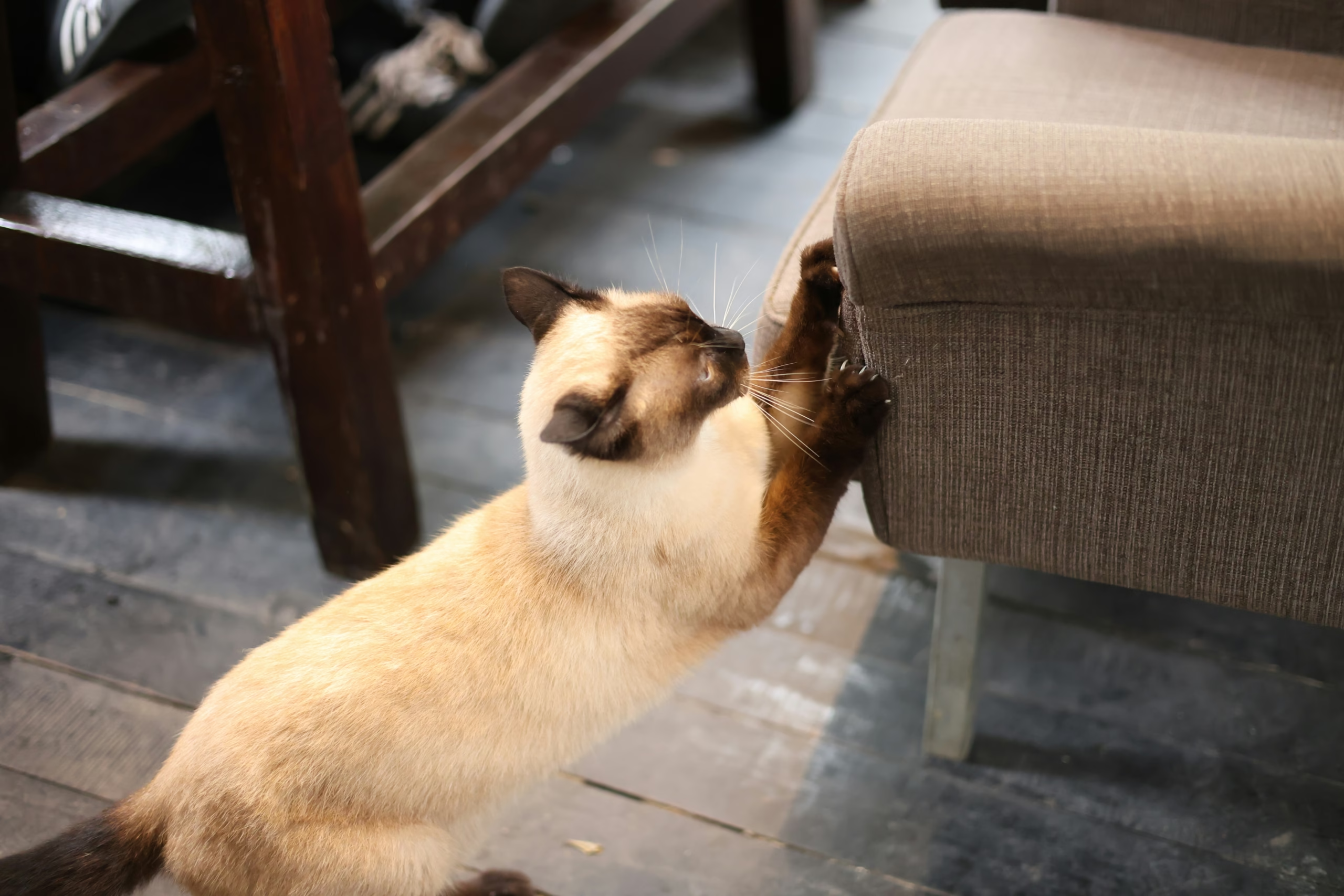
Cats make wonderful companions, but let your favorite couch become shredded cheese, and the love can be a little … tested. Looking for how to prevent cat scratching furniture? This is a daily struggle for thousands of people who keep cats. The good news? Your cat is not scratching your furniture to get back at you or to misbehave. Every cat has natural instincts to scratch, and it’s important they have somewhere to do this in the home.
The key to preserving your furniture isn’t preventing scratching entirely; it’s getting your cat to scratch somewhere else. This guide below will take you through everything that you need to know about why cats scratch, methods for training your cat and what tools actually are effective. In the end, you’re going to have a precise action plan for protecting your furniture and preserving the health and happiness of your cat.
Here’s Why Cats Need to Scratch Everything
You cannot solve a problem until you know what is causing it. Cats aren’t clawing at your furniture to get on your nerves. They have a biological and psychological basis for this behavior.
Keeping Their Claws Clean And Healthy
Wild cats have to have sharp nails for hunting, climbing and protecting themselves. So does your domestic cat. This allows them to scratch off the dead outer layer and expose the sharp, new claws underneath. It’s a bit like filing your nails — but with much more drama.
Marking Their Territory
Scent glands beneath a cat’s paw pads release pheromones when they scratch. When they’re scratching, they’re marking in more than one way. It tells other cats (real or imaginary) that this area is their own. Your couch is not just comfortable — it’s now officially claimed.
Stretching Their Muscles
Watch a cat scratch, and you’ll see that they lean into the task with all their muscles engaged. This behavior exercises the shoulders, back and leg muscles. It’s basically yoga for cats. The scratching helps them wake up and get moving after a long nap.
Releasing Stress and Excitement
Cats scratch more when they are excited, anxious or stressed. If your cat jumps on the couch after you get home and wants to be adoringly scratched, they’re showing excitement. Similarly, environmental changes in the household can provoke stress scratching.
Creating a Cat-Friendly Scratching Environment
Stopping furniture scratching begins with giving your cat better choices. You can’t eliminate the behavior, but you certainly can redirect it.
Choosing the Right Scratching Posts
Scratching posts are not all made the same. A lot of cats have owners who purchase inexpensive and unsteady posts, thinking a cat should prefer it. Your cat deserves alternatives that are more appealing than your furniture.
Height Matters: The post should be a height that allows your cat to stand in full stretch on hind legs. Most cats want at least 30 inches of scratching height. Short posts get ignored.
Sturdy is the Key: If the stability of the post is not good, because your cat leans against it while scratching or even springs against it, they won’t use it. They want something that can support their entire weight without toppling over. Opt for a heavy base, or try a post style that can be wall-mounted.
Material Matters: Sisal rope scratching posts are the first choice for healthy cats. Other cats prefer carpet; some like bare wood. You are likely going to have to experiment a bit to see what your cat loves best.
Where to Place Scratching Posts
Where it occurs can be a big factor whether you’ll be successful at the scratching behavior re-direction.
Place scratching posts near the furniture your cat is now using for scratching. If they love scratching the couch corner, put a post in its place. Once they are using the post reliably, you can gradually move it to a better place.
Put posts in popular cat haunts, where the feline is spending most time. Next to their sleeping areas, food and favorite windows is perfect. Cats usually scratch when they first wake up, making the bedroom area a good spot for placement.
Install several scratching areas through your home. One post is not usually sufficient, particularly if you live in a multi-level home. You could think of it in terms of having more than one bathroom: Convenience comes at a premium.
Offering Variety in Scratching Surfaces
Different cats have different preferences. Some people adore vertical posts, some like horizontal scratchers. Many cats enjoy both.
Tall Posts: Ideal for full body stretches and visible marking. These belong near corners and traffic routes.
Horizontal Scratchers: Ideal for cats who like to stretch forward when scratching. These also do best near sleeping areas.
Angled Scratchers: A combination between vertical and horizontal. Many cats like these and find them interesting.
Scratching Pads: You can get some very cheap cardboard options that you will be able to place all over the house. Replace them when worn out.
Training Techniques That Actually Work
Now that you have the proper scratching posts in place, it’s time to teach your cat to use them!
The Positive Reinforcement Approach
Punishment doesn’t work with cats. They don’t even get cause and effect the way dogs do. Instead, just make the right behavior far more rewarding to your cat than the wrong one.
Catch your cat doing the right thing – scratching on their post. Either give treats, praise, gentle petting or play time as a reward — whatever your cat values most. Then give the reward quickly after the behavior, within 2-3 seconds for your cat to understand.
Make those scratching posts irresistible by sprinkling on a little catnip, or spritzing some catnip spray. Most cats can’t resist. Silvervine is an option for a cat that does not respond to catnip.
Engage your cat near their scratching post with a wand toy. As they reach up to grab the toy, they’ll often be in line with the post and they’ll start scratching. Reward this behavior immediately.
The Discouragement Strategy
If you remain committed to positive reinforcement, there are activities you can do to make your furniture less attractive.
Furniture Covers: Plastic carpet runners (with the nubby side up), aluminum foil, or double-sided tape discourage claws from sinking in. These textures are hated by most cats and can be avoided.
Scent Deterrents: Cats hate citrus smells. Lemon or orange-scented sprays can deter scratching. Always check an inconspicuous spot first to be sure it’s not going to ruin your piece of furniture.
Physical Barriers: There are occasions when temporarily preventing access to your cat’s favorite scratching locations can lead it to abandon the behavior. After your cat has become trustworthy in using the scratching posts, you can start to remove barriers.
Redirecting in the Moment
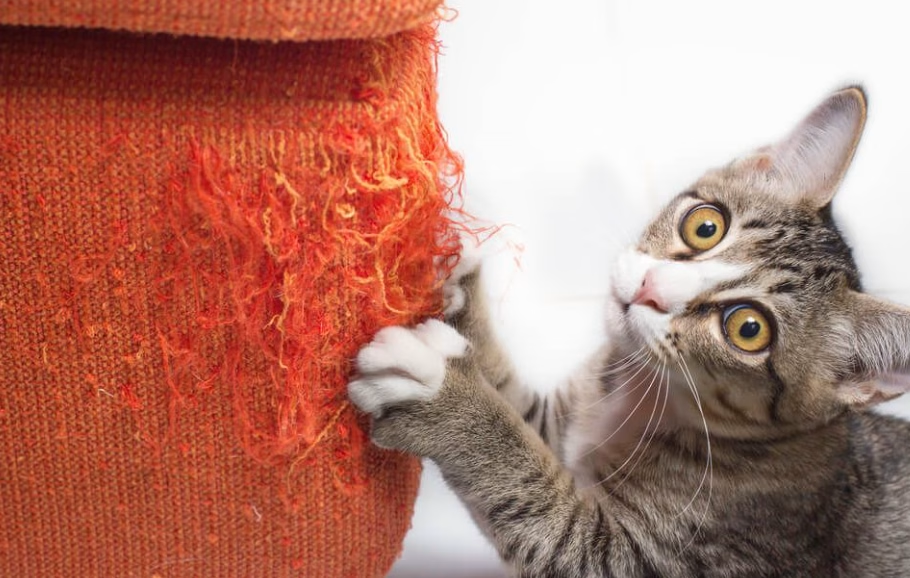
When your cat is caught scratching furniture, don’t yell or punish. Rather, quietly disrupt them and re-direct to a suitable place for scratching.
Gently make a noise, like a clap or an “uh-uh,” to get their attention. Then quickly guide them to their scratching post! Get them interested in the post by offering treats or toys. Praise them profusely every time they scratch the post, even if it is only a single stroke.
Consistency is crucial. Every family member must have the same response. Conflicting messages only confuse cats and make training take longer.
Nail Care and Physical Solutions
If it makes you feel better, clipping your cat’s claws can minimize furniture destruction while you’re practicing behavior modification.
Regular Nail Trimming
Shorter nails cause less damage. Taking your cat to have its nails trimmed costs money and stresses your cat out!
Begin by teaching your cat to tolerate paw-handling. Spend time holding their paws gently during relaxed times. If they accept this without flinching, advance to holding their paw pads while extending the claws.
Use clippers made for cats, not humans. Only trim the clear portion of the nail, being mindful not to cut into the pink quick where blood vessels are. If you’re not confident, start by snipping off less than a millimeter to see how it looks.
For best results, trim every 2-3 weeks. Reward them with treats and praise, make it a positive experience. If your cat resists very much, have it done professionally or ask your vet for a demonstration.
Nail Caps as an Interim Solution
Soft, plastic nail caps (such as Soft Claws) can be glued onto your cat’s nails. They will last 4-6 weeks and will not interfere with the normal behavior of your cat.
These are great as a temporary solution during training. They’re also good for cats who scratch while they are playing, or multiple cats who play rough with each other.
Application takes practice. You’ll first have to trim the nails, add a bit of adhesive and slip on the cap. They’re well tolerated by most cats once they’ve had them the first time.
When Surgery Is Not the Solution
Declawing is bone amputation — not just nail removal. It’s outlawed in many countries and cities because of the pain and behavior problems it causes. Declawed cats have litter box problems and bite more because they are in chronic pain.
Concentrate on the humane alternatives, which let you take into account your cat’s physical and emotional needs. The techniques in this article take time and practice.
Protecting Your Furniture While Training
Training takes time. While you’re in the process of behavior change, you must protect your furniture from further deterioration.
Furniture Protection Options
Scratch Guards: Transparent vinyl panels that adhere to the corners and sides of furniture. They are nearly invisible and they work great.
Throw Blankets: Protective washable covers for furniture also provide decoration. Choose textures cats dislike.
Furniture Spray: Pet deterrent sprays are the ones that make the surface taste bad or smell bad. Reapply weekly for best results.
Room Management
If some rooms have high-premium furniture you can just forbid entry to them during training. That door closed means scratching you can’t supervise.
Offer your kitty especially enticing scratching choices where it is permitted. Make these rooms so friendly to your cat that your cat prefers the time there.
Special Situations and Challenges
There are some situations which necessitate modified methods to prevent cat scratching behavior.
Multiple Cat Households
The more cats, the more scratching posts. There should be enough posts for at least one per cat, plus some extras in common areas. Cats must mark their territory without conflict.
Watch for stress-related scratching. If your cats are competing for resources or territory, add more of everything — food and water bowls, litter boxes, scratching posts.
Older Cats and Scratching
Senior cats might develop new scratching habits, as well. Older cats who begin suddenly scratching inappropriately might have arthritis or another health problem. Could the scratching actually be related to pain — or even a symptom of cognitive decline?
Make an appointment with the vet, who will eliminate medical problems. When the coast is clear, make scratching posts easier to get to. Flat, horizontal scratchers lower to the ground may be better for arthritic cats.
Rescue Cats and Learned Behaviors
Cats from shelters or previous homes have habits. They may have learned that scratching furniture elicits attention or that they should not use the scratching posts at all.
Be extra patient and consistent. Lure them with high-value rewards and allow them to adjust. The better you get to know them in terms of watching their behavior, the better equipped you are to address what’s behind their behaviors.
Common Mistakes to Avoid
Even good-intentioned cat parents commit mistakes that sabotage their attempts at training.
Buying the Wrong Scratching Posts
Cheap, short, shaky posts are a waste of money. If it doesn’t meet your cat’s needs, they won’t use it. Invest in quality posts off the get-go.
Inconsistent Training
You can’t just train when it’s easy. There must be consistency in the entire household where everybody responds to scratching the same way.
Expecting Overnight Results
Behavior change happens over weeks or months, not days. Keep at it even when the progress feels slow. A little better here and a little bit there over time can make a big difference.
Reacting with Anger
Shouting or hitting your cat ruins a good relationship and doesn’t stop the scratching. It frequently aggravates scratching that is based in anxiety.
Creating a Long-Term Success Plan
Scratching solutions must be consistent and persistent.
Month-by-Month Expectations
Week 1-2: Get Scratching Posts Ready. Begin to positively reinforce and cover furniture with protection. Expect minimal behavior change.
Weeks 3-4: Your cat may begin showing interest in scratching posts. Reward each correct use.
Month 2-3: Scratching posts should be in frequent use. Furniture scratching should decrease noticeably. Maintain consistency.
Month 4+: Majority of cats are nicely into new routine. Maybe you reduce the treat reward but continue praise with your voice. Make sure scratching posts are appealing and maintained.
Maintenance and Consistency
Continue rewarding good behavior and don’t take away scratching posts, even after your training is successful. Cats need to scratch throughout their lives.
Replace worn scratching surfaces promptly. A raggedy post might be well loved, but it’s also less effective. Change the catnip monthly to keep your cat interested.
For more tips on understanding your cat’s behavior and keeping them happy, visit Daily Paw for expert advice and resources.
Want to make your cat happier indoors? 😺 Try these fun tips.
Basic Scratching Post Comparison Table At a Glance
| Feature | Why It Matters | What to Look For |
|---|---|---|
| Height | Full body stretch | 30+ inches for vertical posts |
| Stability | Safety and confidence | Heavy base or wall-mount option |
| Material | Scratching satisfaction | Sisal rope, cardboard, or carpet |
| Orientation | Preference variety | Mix of vertical, horizontal, angled |
| Location | Accessibility | Near sleep areas and current scratching spots |
| Number Needed | Territory marking | One per cat plus extra in common areas |
FAQs About Stopping Cat Scratching

How long does it take to train a cat not to scratch furniture?
Most cats will improve in 3-4 weeks of consistent training and approximately 2-3 months are enough for establishing a completely new habit. The key to success is consistency and finding the right scratching post as well as positive reinforcement.
Will my cat stop scratching if I trim their claws?
Nail trimming cuts down on damage but does not eliminate the scratching instinct. Cats still must scratch in order to mark territory, as well as stretch and release stress. Regular trimming should be complemented with training and suitable scratchers.
Do scratching-deterrent sprays really work?
Deterrent sprays can be useful when used alongside positive training techniques. They are best used as temporary tools to help form new scratching habits. Opt for pet-friendly, non-toxic sprays and reapply often to keep them working.
Is it too late to train an old cat?
It’s not too late to redirect scratching behavior but older cats may take longer to alter existing habits. Old cats certainly can be trained with patience, consistency and rewards that motivate them.
Why does my cat only scratch the furniture when I’m looking?
This is just as often a cry for attention as it is an urge to scratch. Your cat has discovered that scratching furniture gets a response from you. Redirect without emotional attention and increase positive attention when they use the right places to scratch.
How many scratching posts does a cat really need?
One cat generally requires 2-4 scratching posts at various locations and angles. Position them in areas your cat frequents, near current inappropriate scratching spots and close to sleeping areas.
Conclusion
Learning how to get cats to stop scratching furniture doesn’t involve prevention of a natural behavior — it involves redirecting that behavior so both the cat and you are happy with the results. Your cat must be able to scratch in order to be healthy — physically and mentally. The answer isn’t stopping the behavior but offering better alternatives, and making the furniture less attractive.
The key to success is knowing why cats scratch, providing appropriate outlets, training with positive reinforcement and being consistent. Invest in good quality scratching posts, reward appropriately and guard your furniture while you train.
Keep in mind that every cat is an individual. What is effective for one may not be so for others. You may need to test different scratching materials, locations and rewards until you find the right match for your cat.
With a little patience and consistency, you can have both a happy cat and nice furniture! The scratching never goes away, but it occurs where it’s supposed to. The more you understand your cat the less they will annoy you. Begin executing these tactics today, and in a few short months you’ll be wondering why you didn’t tackle this sooner.