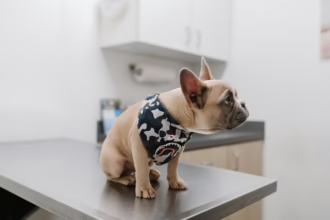

One of the hardest parts of being a pet owner is that our furry friends can’t talk to us. They can’t say, “My tooth hurts” or “I feel tired today.” Instead, they rely on body language, behavior changes, and subtle signals. The challenge is that many of those signals are so easy to miss.
Years ago, my neighbor’s Labrador, Max, suddenly stopped running to the door when the kids came home from school. He was still eating and wagging his tail, so they thought he was just slowing down with age. A few weeks later, Max was diagnosed with arthritis that could have been treated earlier with simple medication. Their story isn’t unique—most of us, even the most loving owners, overlook early signs of illness because they don’t seem serious at first.
This article is about those quiet, often-missed clues. If you’ve ever wondered, “Should I take my pet to the vet, or am I overreacting?”—these are the signs that deserve your attention.
The Quiet Clues Behind the Food Bowl

Every pet owner loves mealtime. There’s something reassuring about the way a dog’s tail wags at the sound of kibble hitting the bowl, or how a cat prances when it hears the can opener. That’s why changes in appetite are one of the clearest, yet most overlooked, signs of a problem.
It doesn’t always mean refusing food completely. Sometimes the clues are subtler: your dog eats more slowly than usual, or your cat sniffs the food and walks away. A pet that was once enthusiastic about treats but now turns them down might be telling you something’s wrong.
Excessive thirst can be another quiet red flag. A dog who drains the water bowl overnight, or a cat who suddenly spends extra time at the fountain, may be developing kidney disease or diabetes. It’s tempting to shrug it off—“it’s just hot outside”—but patterns matter.
The Scale Doesn’t Lie (But It Whispers)
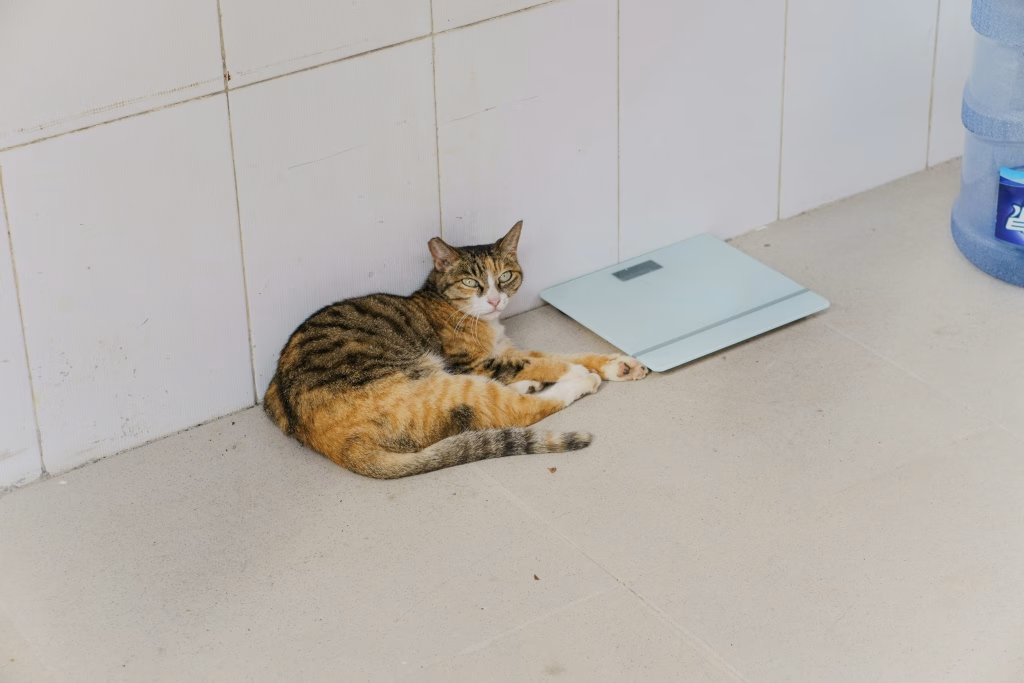
Weight changes in pets are tricky because they happen gradually. A dog with a thick coat can lose weight without it being obvious. A cat can gain a pound or two that you only notice when the vet calls it out on the chart.
When I adopted my rescue cat, Milo, I didn’t realize how important weight monitoring was. A few months in, I noticed his ribs felt sharper than before, though he still looked the same. The vet confirmed he had parasites, which we treated quickly. Had I ignored the small change, it could have become dangerous.
The takeaway? Run your hands along your pet’s body regularly. If you feel bones sticking out more than usual, or notice that your pet’s collar feels tighter, it’s time to schedule a checkup.
Odors That Speak Louder Than Words

Most of us joke about “dog breath” or a litter box that smells bad after use. But when odors become persistent, they’re often a warning sign.
- Bad breath isn’t just unpleasant—it usually means dental disease, which can spread bacteria to the heart and kidneys.
- Sour or yeasty smells from the ears can indicate infection.
- An ammonia-like scent in the breath may point to kidney issues.
When I volunteered at a shelter, one of the most common surprises was how many dental problems went unnoticed until the smell was unbearable. By then, extractions or surgery were often the only options.
So the rule of thumb is simple: if your pet suddenly smells different and cleaning doesn’t solve it, call the vet.
When Personality Shifts Quietly
You know your pet’s personality better than anyone. That’s why behavioral changes, even small ones, should raise a red flag.
Think about it: a playful dog who suddenly prefers lying in the corner isn’t just “lazy.” A cat that starts hiding under the bed more than usual isn’t simply “in a mood.” These are often the ways pets communicate discomfort.
Some shifts are easy to excuse. We blame age, weather, or stress. But changes in energy, mood, or social habits are some of the earliest and most reliable signs that something’s wrong.
A friend once ignored her rabbit’s sudden aggression, thinking it was just a personality change. It turned out he was in pain from an overgrown tooth. After treatment, his sweet nature returned overnight.
The Story in the Fur
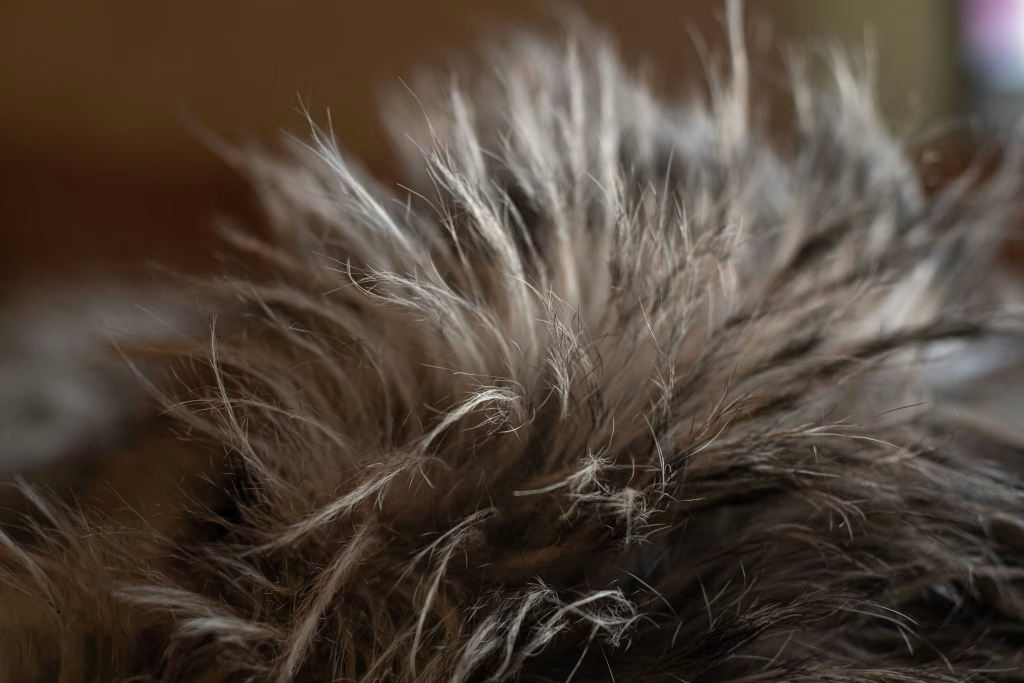
A pet’s coat tells a silent story. A shiny, smooth coat usually means good health. A dull, brittle, or thinning coat can be the first clue that something’s off.
Cats are especially revealing here. They are natural groomers, often spending hours a day licking their fur. If your cat suddenly stops grooming, it may not be laziness—it could be arthritis, dental pain, or illness making the act uncomfortable.
Dogs too show clues in their fur. Excessive shedding, bald patches, or skin flakes may suggest allergies, parasites, or nutritional problems. It’s easy to dismiss coat changes as seasonal, but if the change seems unusual for your pet, it’s time for a closer look.
The Little Stumbles We Miss
When we think of mobility problems, we picture obvious limping. But the reality is, pets are masters at hiding pain. Instead of limping, they adjust how they move.
- A dog hesitates before climbing stairs.
- A cat jumps onto a lower surface instead of the high one it used to prefer.
- Rising from a nap takes longer than before.
These are whispers of discomfort. Left unchecked, they can become shouts. Early detection of arthritis or joint issues means treatments like supplements, physical therapy, or medication can keep pets comfortable for years.
Digestive Ups and Downs
Most pets have the occasional upset stomach. But when diarrhea, constipation, or vomiting lasts more than a day or two, it’s not just a “bad tummy.”
Changes in stool—color, consistency, or frequency—can reveal internal issues ranging from parasites to organ disease. Repeated vomiting, especially if it looks like coffee grounds or bile, should always be taken seriously
Eyes and Ears: The Windows to Health

Pets can’t say “my eye hurts,” but they can show it. Cloudiness, redness, or squinting may signal infections or injuries. In some cases, these are early signs of chronic disease.
Ears, too, reveal a lot. Head shaking, scratching, or discharge is often the first clue of mites or infection. My friend’s cockatiel once scratched its ear so often it developed a small wound. A quick vet visit cleared up an infection before it got worse.
Breathing That Sounds Different
Changes in breathing are often overlooked until they become alarming. A dog who starts wheezing, or a cat who pants after mild play, may have underlying respiratory or heart issues.
Even subtle signs like snoring louder than usual, coughing occasionally, or rapid breathing while resting can be red flags. Because breathing issues can escalate quickly, they’re always worth checking.
Bathroom Behavior Speaks Volumes

Few owners pay close attention to litter boxes or backyard habits—until there’s a mess. But small changes can signal bigger problems.
A cat that suddenly urinates outside the litter box may not be misbehaving—it could be a urinary tract infection. A dog that strains or has accidents indoors might have bladder stones or hormonal issues.
Instead of punishment, these situations call for compassion and a vet visit.
Why Catching These Signs Matters
Here’s the truth: pets rarely show illness until it’s advanced. In the wild, showing weakness makes animals vulnerable, so they instinctively hide it. That’s why what looks like “just a little different” to us might actually be the tip of the iceberg.
Catching problems early isn’t just about saving money at the vet—it’s about giving your pet the best chance at a long, comfortable life. Whether it’s arthritis, diabetes, or dental disease, early intervention almost always leads to better outcomes.
Our pets rely on us to be their advocates. They can’t speak, but they do communicate—quietly, subtly, and sometimes in ways we don’t expect. Paying attention to appetite, behavior, coat, mobility, and even odors can make all the difference.
The next time you notice something “just a little off,” don’t brush it aside. Trust your instincts. A short vet visit may bring reassurance, or it may uncover a problem that can be treated before it becomes serious.
Because at the end of the day, being a pet parent isn’t just about cuddles and playtime—it’s about listening to the signals only you can hear