Not long ago, finding a pet to adopt meant visiting a shelter, checking newspaper ads, or relying on word of mouth. Today, a single scroll through Instagram, Facebook, or TikTok can bring dozens of adoptable pets to your attention. Shelters and rescue groups now post daily stories, reels, and heart-melting photos—transforming the way people find and adopt pets.
I’ll never forget when my cousin adopted her cat, Luna. She didn’t find her through a shelter visit. Instead, she stumbled on a Facebook post from a local rescue group showing a tiny gray kitten curled up in a shoe box. That one picture was shared over 600 times in a few hours. Within two days, Luna had a home. And my cousin had discovered a new reality: social media is rewriting the rules of pet adoption.
The Shift from Shelters to Screens
For decades, shelters relied on in-person visits and community events to get animals adopted. Flyers on bulletin boards, word of mouth, or maybe a local newspaper ad were the main channels. While those methods worked, they had limits. Only people who physically visited the shelter or happened to see the ad would know the animal existed.
Social media changed everything. Now, shelters can showcase pets instantly to thousands of potential adopters—not just in their own town, but across entire regions. A single well-timed TikTok of a playful puppy or a sad-eyed senior dog can go viral and find adopters hundreds of miles away.
This visibility has led to adoption spikes for certain pets, particularly those with strong “share appeal”—think dogs doing silly tricks, cats cuddling babies, or animals with unusual markings.
Viral Stories That Change Lives
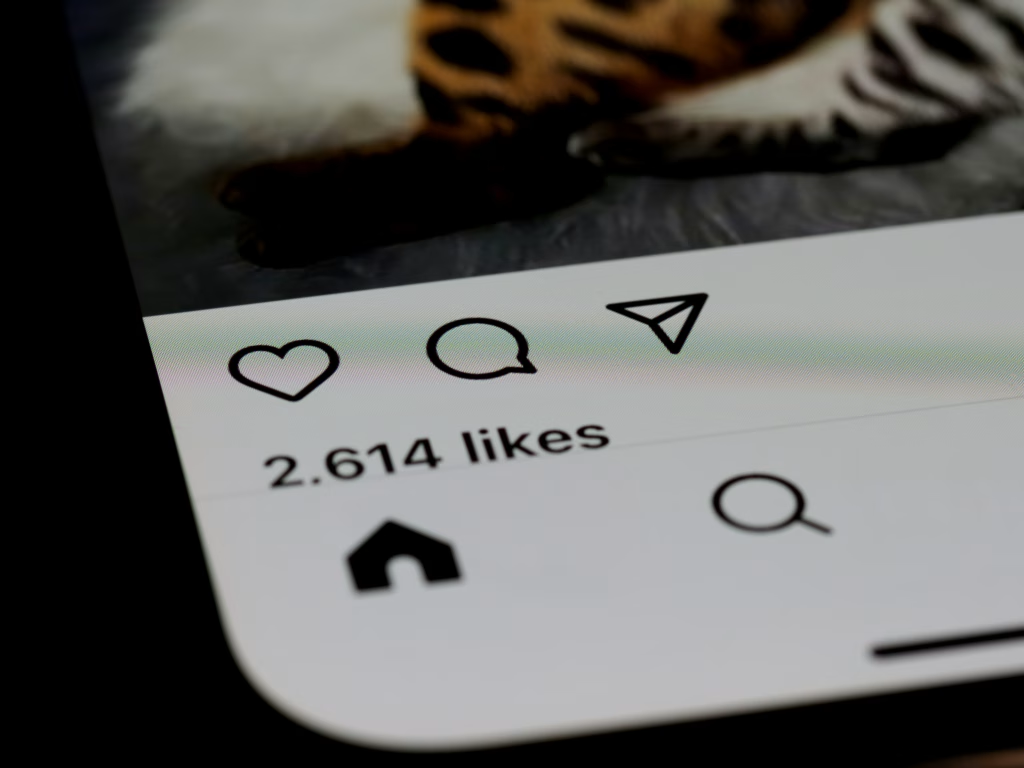
It’s not just individual animals that go viral—it’s entire adoption movements.
- In 2020, a Texas shelter created a TikTok account and posted short clips of dogs with captions like “Take me home?” Within weeks, adoption rates doubled.
- Instagram accounts dedicated to senior dogs, once considered “hard to adopt,” have gained hundreds of thousands of followers. These platforms highlight the charm of older pets, changing how people view them.
- Even pets with disabilities—once overlooked in shelters—are now stars of heartfelt viral campaigns. Wheelchair-bound dogs or three-legged cats often find homes faster thanks to emotional videos shared online.
One of the most striking examples came from an Ohio shelter that posted a Facebook video of a Pitbull named Smokey, shaking with anxiety in his kennel. The video was shared over 200,000 times, and Smokey found a forever home within days. Without social media, Smokey might have been overlooked for months.
Hashtags That Save Lives
Behind many of these viral stories are simple hashtags. Campaigns like #AdoptDontShop or #RescueDogsofinstagram have become global movements. These hashtags make shelter pets part of everyday online culture, turning adoption into something trendy, relatable, and accessible.
It’s not just big cities or major rescues benefiting. Small-town shelters now use Instagram and TikTok hashtags to connect with adopters far outside their local area. A puppy in a rural shelter in Romania can be seen, loved, and adopted by a family in Germany thanks to one shareable post.
Changing Perceptions of “Adoptable” Pets
Social media isn’t just speeding up adoptions—it’s changing which animals get adopted.
Traditionally, young puppies and kittens were adopted first, while senior pets, large dogs, or animals with special needs were left behind. But with platforms like TikTok and Instagram, those same “hard-to-place” pets often become stars. Emotional storytelling—before-and-after videos, glow-ups of neglected pets transformed by care, or clips of dogs learning to walk again—reshapes how people see them.
When you watch a reel of a senior dog snuggling with a child, it’s hard not to think, “Maybe I could give that dog a second chance.”
The Role of Influencers and Petfluencers
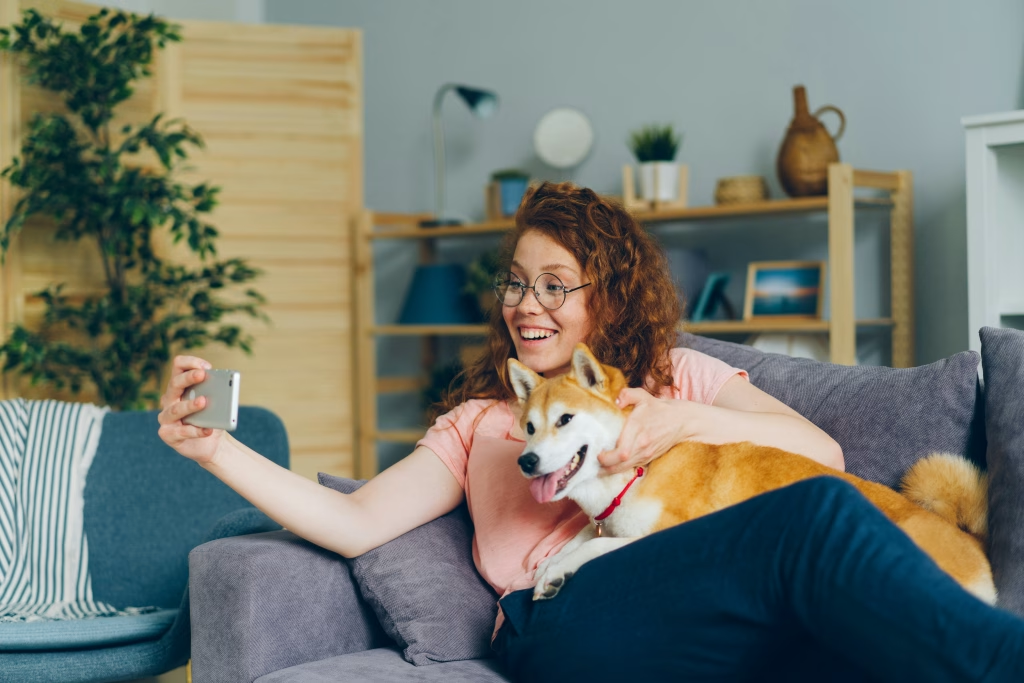
Enter the “petfluencers”—popular accounts run by pet owners that attract millions of followers. Many of these influencers now partner with shelters to showcase adoptable pets. When a dog appears on an influencer’s story, the exposure can be life-changing.
Even micro-influencers with just a few thousand followers can make an impact. A local Instagrammer who shares a shelter’s post can drive dozens of adoption inquiries in a single afternoon.
For shelters with small budgets, this free marketing power is invaluable.
Benefits for Shelters and Rescues
Social media adoption campaigns come with big advantages:
- Reach: Instead of waiting for people to visit, shelters can reach adopters where they already spend hours every day—online.
- Speed: Animals find homes faster, freeing up space for more rescues.
- Education: Posts also spread information about spaying/neutering, vaccinations, and responsible pet ownership.
- Community building: Followers often donate, volunteer, or foster after connecting with a shelter’s posts.
It’s a complete shift from reactive to proactive pet placement.
Challenges and Criticisms
Of course, it’s not all perfect. With visibility comes risk.
- Impulse adoptions: Viral videos sometimes lead to quick adoptions by people who aren’t ready for the responsibility.
- Misinformation: Not every post is accurate, and sometimes shelters face backlash if adopters feel misled.
- Popularity bias: The cutest or most shareable pets may get adopted quickly, while others remain overlooked.
That’s why responsible shelters use social media as a tool, not a replacement for thorough screening and adoption processes.
A Glimpse into the Future
Looking ahead, social media’s role in pet adoption will only grow. Already, some platforms are experimenting with dedicated “adoptable pet” features. Apps like Petfinder are integrating with Instagram to allow one-click sharing of shelter profiles. AI tools may soon help match adopters with pets based on personality and lifestyle, not just looks.
But the core will remain the same: powerful storytelling. At the heart of every successful adoption campaign is a picture, a video, or a caption that makes someone stop scrolling and say, “That’s my dog” or “That’s my cat.”
When my cousin brought Luna home, that little gray cat didn’t know she had gone viral. She only knew she was safe, warm, and loved. That’s the magic of social media—it takes a simple post and turns it into a second chance for an animal that might otherwise be invisible.
Scrolling through your feed tonight, you’ll probably see memes, recipes, maybe a friend’s vacation photo. And tucked between them, maybe a scared-looking dog or a kitten in need of a home. Don’t underestimate the power of pausing, sharing, or even adopting. Sometimes, one small click can change the entire course of a life—both theirs and yours.