
Introduction
Every dog parent hopes for their furry friend to live a long, energetic life. The secret? Healthy dog food that blends complete & balanced nutrition with mouth-watering taste. Dogs, like humans, require a balanced diet containing proteins, fats, carbohydrates (sugars), vitamins, and minerals to avoid developing disease and remain active. Whether you have a fun-loving puppy, active adult or gentle senior dog, the food he eats and his lifestyle can play key roles in maintaining overall health throughout life.
Questions like “What should I feed my dog?” or “How much food is enough?” plague many pet parents. This post will guide you on everything you need to know to make the perfect meal plan for your lovely doggo. From nutrition basics to dangerous food for dogs, we’ve got you covered.
How does a healthy dog diet look like?
A well balanced healthy diet for dogs contains five key nutrients that all interact to keep your dog in tip-top condition.
Proteins: The Building Blocks
Dogs thrive on protein more than anything else. It promotes strong muscles, repairs tissues and boosts the immune system. High-quality protein sources include:
- Chicken, turkey, and duck
- Beef and lamb
- Fish like salmon and sardines
- Eggs
- Cottage cheese
Grown dogs require at least 18% protein in their diet, the same for puppies is approximately 22% to help them grow so quickly.
Fats: Energy and Shine
Fats give dogs energy and help them absorb vitamins. They also help to maintain a glossy coat and healthy skin on your dog. Good fat sources include:
- Fish oil (contains a high level of omega-3)
- Chicken fat
- Flaxseed oil
- Sunflower oil
Dogs should receive somewhere between 5-15% of their daily calories from fat, depending on their activity level.
Carbohydrates: Fuel for Play
Although dogs don’t require as much carbohydrate as humans, it is good quick energy. Go slow-digesting with complex carbohydrates:
- Sweet potatoes
- Brown rice
- Oatmeal
- Pumpkin
- Quinoa
These foods also include fiber, aiding in digestion and making your dog feel satisfied.
Vitamins and Minerals: Small But Mighty
Vitamins and minerals keep everything from our bones to our blood to our brains working. These are present in most commercial dog foods, but if you’re cooking up your pet’s meals at home, be sure to include:
- Vitamin A (carrots, liver)
- Vitamin D (fish, egg yolks)
- Calcium (dairy products, bones)
- Iron (red meat, liver)
Water: The Forgotten Essential
Fresh, straight water must be available all the time. A dog requires approximately one ounce of water per pound of body weight a day. A 20 pound dog will drink about 20 ounces of water per day.
Feeding Amounts for Dogs
Portion regulation is the best way to avoid fatness and maintain a healthy weight of your dog. The magnitude varies according to several factors.
Consider Your Dog’s Size
| Dog Size | Daily Dry Dog Food |
|---|---|
| Small (up to 20 lb) | 1/2-1 1/2 cups |
| Medium (20-50 lb) | 1 1/2-3 cups |
| Large (50-100 lb) | 3-5 cups |
| Extra Large (100+ lb) | 5-8 cups |
These are general guidelines. Refer to the feeding chart on your dog food package.
Activity Level Matters
High energy dogs burn more calories and require more food. A working/herding dog or vigorous exerciser may require up to 20-40% more food than a couch potato! If your dog is:
- Very active: Bicycling, playing actively, running or working for several hours daily
- Moderate Activity: Frequent walks and playtime
- Mild Exertion: Short walks, lots of rest
Adjust the amount by portions and monitor your dog body condition.
Age Changes Everything
Puppies eat 3-4 small meals a day because they need to grow quickly. Adult dogs should eat twice a day. Older dogs may require fewer calories, but smaller amounts more often can help with digestion.
Dog Food: Commercial Vs Home Cooking
Both are good choices for a healthy dog diet when performed correctly.
Commercial Dog Food: The Good and Bad
Benefits:
- Nutritionally balanced by experts
- Convenient and easy to store
- Available in life stage formulas
- Usually fortified with vitamins
Drawbacks:
- Can contain fillers and preservatives
- More expensive premium brands
- Less control over ingredients
- Some dogs develop allergies
Seek out foods that have named meats (rather than “poultry”) as the first ingredient. Stay away from foods whose main ingredients are corn, wheat or soy.
Making Your Own Dog Food: What You Need to Know
Cooking food at home allows you to control what your dog eats and monitor the quality of ingredients. A simple recipe includes:
- 50% protein (meat, fish or eggs)
- 25% vegetables (carrots, green beans, broccoli)
- 25% grains (rice, oats, sweet potato)
If you’re not using bones, add calcium supplement. Consult your vet before changing to make sure you are feeding a good balance.
Foods Dogs Should Not Eat
Certain human foods are toxic to dogs. Keep these out of the way of your pet:
Extremely Dangerous Foods
- Chocolate: Contains theobromine which dogs don’t metabolize
- Grapes and Raisins: Lead to kidney failure
- Onions and Garlic: Destroy red blood cells
- Xylitol: Artificial sweetener causes liver failure
Foods to Limit or Avoid
- Fatty meats (can cause pancreatitis)
- Salty snacks (lead to salt poisoning)
- Raw dough (expands in stomach)
- Macadamia nuts (leading to weakness and tremors)
- Avocado (persin, which is toxic to dogs)
If your dog gets into something toxic, call your vet immediately.

Specialized Diets for Various Dogs
All dogs do not share the same nutritional requirements. Here’s how to modify a healthy dog diet for various situations.
Puppies: Growing Strong
Puppies require puppy-based food with added calories and nutrients. Feed them:
- Three to four meals a day until 6 months of age
- Food labeled “for growth” or “all life stages”
- Tiny bites for petite mouths
- Extra calcium for bone development
Switch them to adult food at around 12 months for small breeds, and 18 months for larger ones.
Senior Dogs: Aging Gracefully
Older dogs are generally less active, and thus require fewer calories. They benefit from:
- Foods with glucosamine for joints
- Easily digestible proteins
- Less fat to avoid the extra pounds
- Added fiber for digestive health
Senior food generally contains fewer calories per cup than adult food.
Overweight Dogs: Safe Weight Loss
If you need your dog to lose weight:
- Reduce portions by 10-15%
- Switch to a low-calorie food
- Include green beans or pumpkin with meals for bulk
- Increase exercise gradually
- Avoid table scraps completely
Weight loss should be slow and by not more than 1-2 percent of body weight per week.
Dogs with Allergies: Finding Relief
Popular allergens include beef, dairy, wheat and chicken. Signs of food allergies include:
- Itchy skin
- Ear infections
- Digestive upset
- Constant licking
Put them on an elimination diet with novel proteins, such as duck, venison or rabbit. Work with your vet to help identify triggers.
Creating a Weekly Meal Plan
If you plan in advance, your dog will be able to enjoy a wide variety of food and receive complete nutrition.
Sample 7-Day Meal Plan
Monday
- Breakfast: Chicken, rice and carrots
- Dinner: Store bought kibble with fish oil
Tuesday
- Breakfast: Sweet potato with scrambled eggs
- Dinner: Beef and green beans with oatmeal
Wednesday
- Breakfast: Commercial kibble with pumpkin
- Dinner: Turkey and brown rice with broccoli
Thursday
- Breakfast: Cottage cheese with blueberries
- Dinner: Salmon with quinoa and peas
Friday
- Breakfast: Commercial kibble with yogurt
- Dinner: Chicken liver with sweet potato
Saturday
- Breakfast: Ground beef with rice
- Dinner: Commercial kibble with sardines
Sunday
- Breakfast: Turkey and egg mix
- Dinner: Chicken breast with veggies and white rice
Alternate proteins and types of vegetables to supply an array of nutrients throughout the week.
Supplements: Are They Necessary?
For the majority of dogs eating good quality commercial food, supplements are unnecessary. But in some situations, the extras are a good thing:
When Supplements Help
- Joint supplements (glucosamine, chondroitin) for large or senior dogs
- Omega 3 fatty acids for skin and coat health
- Probiotics for digestive issues
- Multivitamins for homemade diets
Always check with your vet before introducing supplements. Certain vitamins in excessive amounts can be harmful to your dog.
Decoding Dog Labels
Knowing what labels mean can help you select the best possible food for your pet.
What to Look For
Ingredients are listed by weight. The first five ingredients are the majority of what goes into the food. Look for:
- Meat source named first (chicken, beef, salmon)
- Whole grains or vegetables
- No by-products or “meat” from unnamed animals
- Natural preservatives like vitamin E
Red Flags on Labels
Avoid foods with:
- Generic names like “meat meal” or “animal fat”
- Artificial colors (Blue 2, Red 40)
- BHA, BHT, or ethoxyquin preservatives
- Corn, wheat, by-products or soy as first ingredients
Guaranteed Analysis Breakdown
| Nutrient | Minimum % |
|---|---|
| Protein | 18% (adults), 22% (puppies) |
| Fat | 5.5% (adults), 8.5% (puppies) |
| Fiber | 2-4% |
| Moisture | 75-78% (wet), 10% (dry) |
Higher numbers aren’t always better. Balance is key.
Common Feeding Mistakes to Skip
Even well-meaning dog lovers commit these errors.
Overfeeding Treats
No more than 10 percent of a pet’s daily calories should come from treats. Too many treats creates obesity and imbalances in nutrition. Use healthy options like:
- Small pieces of apple
- Baby carrots
- Plain cooked chicken
- Frozen green beans
Free Feeding
It is difficult to be aware of intake if food is available all day. Scheduled meals allow you to detect changes in appetite, which may be indicative of health issues.
Sudden Food Changes
They give you diarrhea and an upset stomach if you switch too soon. Switch over 7-10 days by gradually adding the new food to the old.
Ignoring Dental Health
Dry kibble also helps to clean teeth, but it is not sufficient. Offer dental chews or brush the teeth frequently to avoid gum disease.
Explore the latest 2025 pet food innovations 🍖 Stay informed.
How To Know If Your Dog’s Diet Is Working
The proof is in the well-being of your dog.
Physical Signs of Good Nutrition
- Slick, shiny coat that does not shed excessively
- Clear, bright eyes
- Healthy pink gums
- Strong, white teeth
- Firm, small stools
- Healthy body weight (you can feel your dog’s ribs, but you cannot see them)
Behavioral Clues
- High energy levels
- Good appetite without begging
- Playful and alert
- Healthy sleep patterns
- No excessive scratching or licking
And if something seems amiss, consult with your vet.
Budget-Friendly Tips for Quality Nutrition
It doesn’t have to put you in the poor house to feed your dog well.
Smart Shopping Strategies
- Stock up when you can get great deals
- Subscribe and save on online purchases
- Opt for mid-tier brands with decent ingredients
- Alternate between high-end food and some good quality cheaper options
- Prepare treats rather than buy them
Cost-Effective Protein Sources
- Chicken thighs (cheaper than breasts)
- Canned sardines or mackerel
- Eggs (incredibly affordable protein)
- Turkey during holiday sales
- Organ meats (liver, heart)
It is possible to feed very good nutrition without meal time costing a fortune.
When to Consult Your Veterinarian
Some situations require professional guidance.
See Your Vet If Your Dog:
- Is not eating for more than a day
- Loses or gains weight rapidly
- Has persistent diarrhea or vomiting
- Shows signs of allergies
- Suffers from an illness requiring a restricted diet
- Is pregnant or nursing
Your vet can also suggest prescription diets for certain medical conditions, including kidney disease, diabetes or digestive issues.
Frequently Asked Questions
Q: How often should I feed my adult dog?
A: Most adult dogs benefit from two meal timings a day, approximately 12 hours apart. This will keep you full and your energy levels high all day.
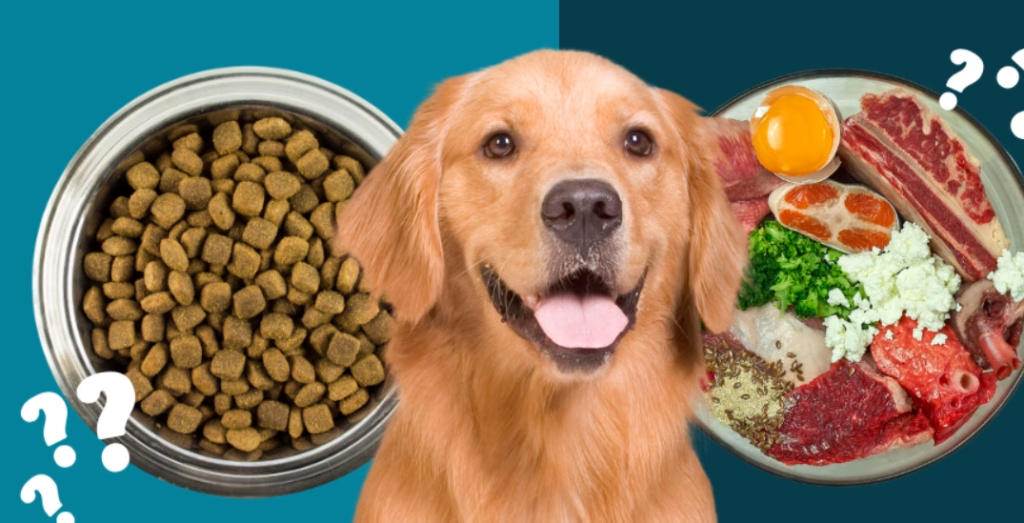
Q: Can I feed my dog raw meat?
A: Raw diets are controversial. Some dogs do well with a raw-food diet, but there’s the potential for bacterial contamination and nutritional imbalance. If you elect to feed raw food, consult a vet nutritionist so it is safe and complete.
Q: Is grain-free food healthier for dogs?
A: Not necessarily. Plenty of dogs digest grains just fine. Some breeds are developing heart problems believed to be linked to grain-free diets. Select food according to your dog’s specific needs, not trends.
Q: Should I give my dog vitamins?
A: Dogs eating a complete, balanced commercial diet should not require supplements or additional vitamins. Oversupplementing can cause health problems. Don’t add vitamins unless directed by a vet or for a very specific reason.
Q: How can I tell if my dog is allergic to food?
A: Common symptoms of allergies in dogs include itchy skin, ear infections, vomiting or diarrhea and excessive licking of their paws. Elimination diets or testing that can be run by your vet can help determine allergies.
Q: Can dogs be vegetarian?
A: It can be done, but it’s not easy to meet all of their nutritional needs without meat. Dogs are omnivorous, but do best on animal protein. If you wish to feed your dog a vegetarian diet, collaborate closely with a veterinary nutritionist.
Conclusion
Feeding your dog a healthy diet doesn’t have to be difficult, but it does require paying attention and thought. Concentrate on setting a solid base of lean proteins, good fats and balanced diet for your dog according to his age, size and activity. Whether your dog eats commercial food or home-cooked fare, quality and consistency are the key factors.
Observe the body condition, level of energy and general health of your dog to determine if you are feeding the right diet. Feel free to vary serving sizes or swap in different foods as necessary. Just remember that what works for one dog won’t necessarily work for another.
Your dog is counting on you to serve him healthy food. By adopting the recommendations in this article, you will help your furry friend enjoy a longer, healthier and happier life. The initial investment in great nutrition pays dividends in lower vet bills, fewer health woes, and many more years of tail wags and wet nose kisses.
For more expert advice on caring for your canine companion, begin today by assessing your current feeding program. Make one minor adjustment, then another. Worth it in light of your dog’s health.