
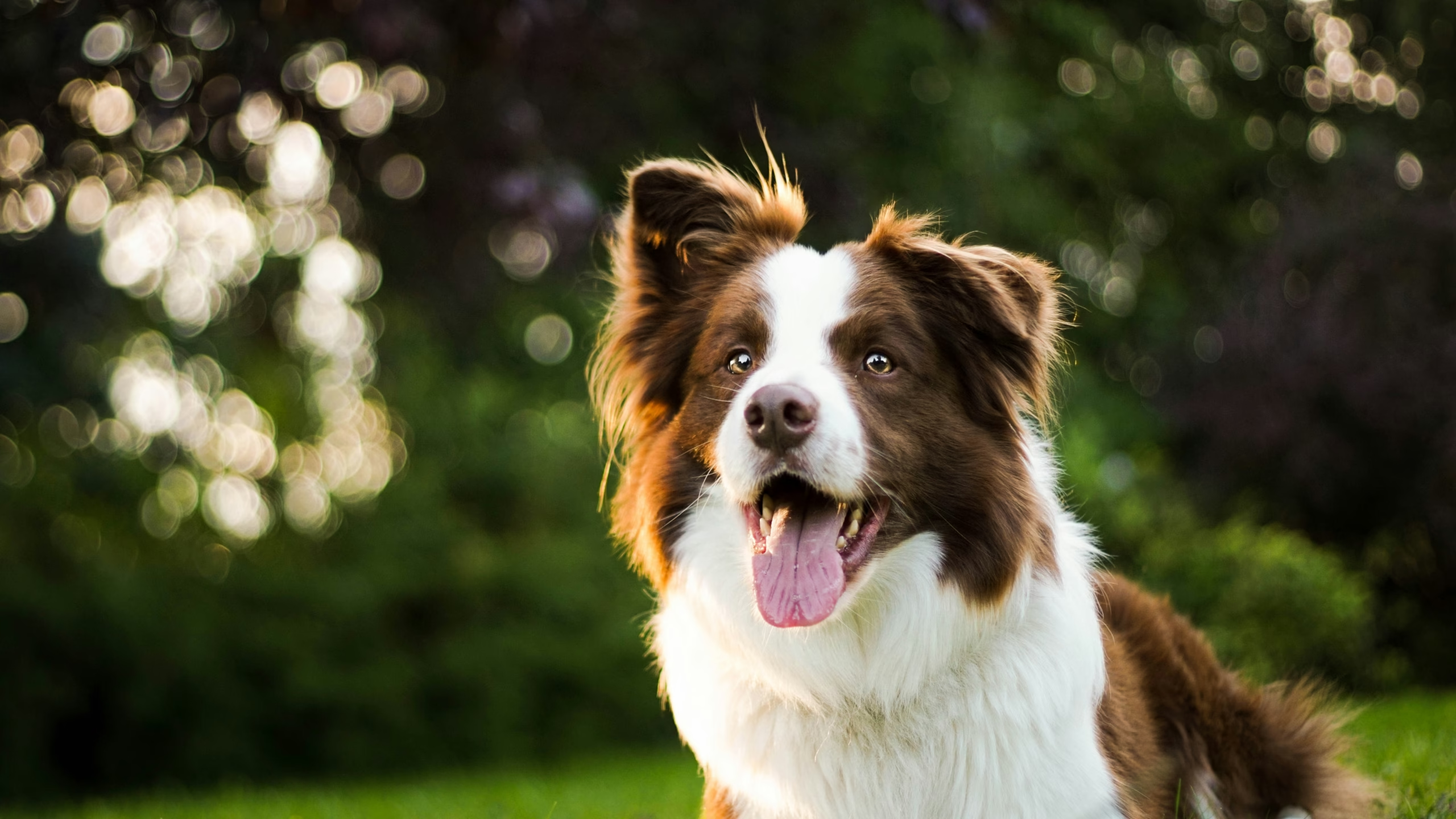
Why Smart Dogs Make Wonderful Companions
Smart dog breeds have won the hearts of millions of pet lovers across the planet. These intelligent hounds do much more than take orders—they smile, they make decisions, and they fit themselves to circumstances with jaw-dropping agility. Whether you are seeking out a family friend or good-looking sport dog, opt from this list of the smartest dog breeds and your search might be much shorter.
But what, precisely, does it mean for a dog to be — or not be — intelligent? There are three typical ways researchers measure how smart dogs are: instinctive intelligence (what they’re bred to do), adaptive intelligence (how dogs figure things out) and working intelligence (obedience and the ability to learn commands). The breeds we’re looking at today seem to excel at all these things and more, which makes them a great winner for both would-be puppy parents and seasoned dog handlers.
Whether herding sheep on farms or helping people with disabilities, these smart dogs are absolutely worth their salt. Top 10 Smartest Dogs That Are So Intelligent You Won’t Believe It.
What Are the Factors That Make a Dog Breed Intelligent?
Before we get into our list, let’s first explain how dog intelligence is evaluated. Dr. Stanley Coren, an expert on canine intelligence identified a classification of breeds for their working and obedience intelligence.
Three Types of Canine Intelligence
Instinctive Intelligence
This is related to a dog’s jobs. Herding dogs know from instinct how to control livestock and retrievers need little in the way of training for fetching.
Adaptive Intelligence
This gauges how adept dogs are at solving problems on their own. Does your dog have the ability to learn to open a door, locate a hidden toy? That’s adaptive intelligence at work.
Working and Obedience Intelligence
This is what most people are thinking of when talking about a smart dog. It determines how fast a breed learns new commands, and how dependable they are in carrying them out.
The more intelligent dog breeds tend to perform well in all three areas, resulting in their being versatile, trainable and therefore great fun to own.
10 Smartest Dogs in the World
1. Border Collie: The Einstein of the Canine Family
Border Collies always stand out as the smartest dogs in the world. Bred to herd sheep in the Scottish borders, these energetic dogs have an unparalleled work drive and ability to be taught.
Why They’re So Smart:
Border Collies can pick up a new command in less than five tries and obey the first command given 95% of the time. They are good at problem-solving and capable of learning difficult tasks that would befuddle other breeds.
Perfect For:
Active families, farmers or if you are involved in any dog sport (such as agility, frisbee or herding trials).
Training Tips:
You must give these dogs something to do when they are inside. Without it, they may become unruly. Puzzle toys, advanced training and lots of physical exercise are essential.
2. Poodle: Beauty Meets Brains
You can’t be fooled by their fancy dos—Poodles are one of the smartest dog breeds around. These dogs come in standard, toy and miniature sizes originally bred for retrieving waterfowl in Germany.
Mental Capabilities:
Poodles are fast to learn new commands, and they’ll remember what they’ve learned for a long time. They are highly versatile and can succeed in a variety of jobs, from therapy dogs to circus performers.
Personality Traits:
They may look extraordinary, but Poodles are happy and fun-loving — they love to have a great time. They are very attached to their families and do well with children.
Care Requirements:
They need regular grooming to keep their coat in good condition, but they feature a great level of intelligence, so training them is hardly difficult. They respond well to positive reinforcement, and intellectual stimulation.
3. German Shepherd: The Ultimate Working Dog
Good old German Shepherds are known all over the world for their service with the police, military and search-and-rescue. Their intelligence, bravery and loyalty make them exceptional partners.
Why They Excel:
These clever dogs can even learn and adapt to intricate tasks by means of taking their own decisions. They are protective but not aggressive and can tell when a threat is real or just harmless.
Best Suited For:
Families in need of a guard dog and home protection, law enforcement department canines, and anyone who wants a loyal trainable pet.
Health Considerations:
Hip dysplasia is common in German Shepherds, so select your breeders carefully and keep your dog at a healthy weight.
4. Golden Retriever: The Gentle Genius
They on the other hand are smart and have such a lovely friendly demeanor. They’re popular as all get-out, being among America’s favorite breeds for a reason.
Learning Ability:
These dogs are very quick learners and they hold the training very well. They frequently serve as guide dogs, therapy dogs and search-and-rescue dogs.
Family-Friendly:
Golden Retrievers are good family pets who get along well with children and other dogs. Their desire to please makes them perfect for inexperienced dog owners.
Exercise Needs:
Although they have a mellow disposition, it is essential that you provide them with daily activity to keep them healthy and content. Swimming, fetching and plenty of walks are ideal.
5. Doberman Pinscher: Speed Plus Brains
Doberman Pinschers are muscular and speedy companions. Originally bred in Germany as guard dogs, they’re known for their fearlessness and easily trained minds.
Intelligence Features:
New commands are learned quickly by the Doberman in less than five repetitions, and they demonstrate good problem-solving abilities. They’re alert, loyal and naturally protective of their family.
Training Approach:
Socializing a Doberman is very important. With good training, they are perfect family dogs and wonderful with children.
Physical Requirements:
These active dogs want plenty of exercise and mental stimulation. Jogs and hikes and active play time keep them in check.
6. Shetland Sheepdog: From Herding to Homely
Shetland Sheepdogs, also known as “Shelties,” resemble miniature Collies and share their brains. These tiny herders were born in Scotland’s Shetland Islands.
Mental Sharpness:
Shelties are fast learners and perform well in obedience trials, as well as the agility course. They’re also attuned to their owner’s feelings and respond very well to positive training techniques.
Ideal Living Conditions:
Although they will learn to adjust to apartment living, Shelties require daily exercise and mental stimulation. They’re barkers, so training to control their yapping is key.
Social Nature:
These smart dog breeds establish powerful ties with their families and can be standoffish around strangers, which is why they make excellent watchdogs.
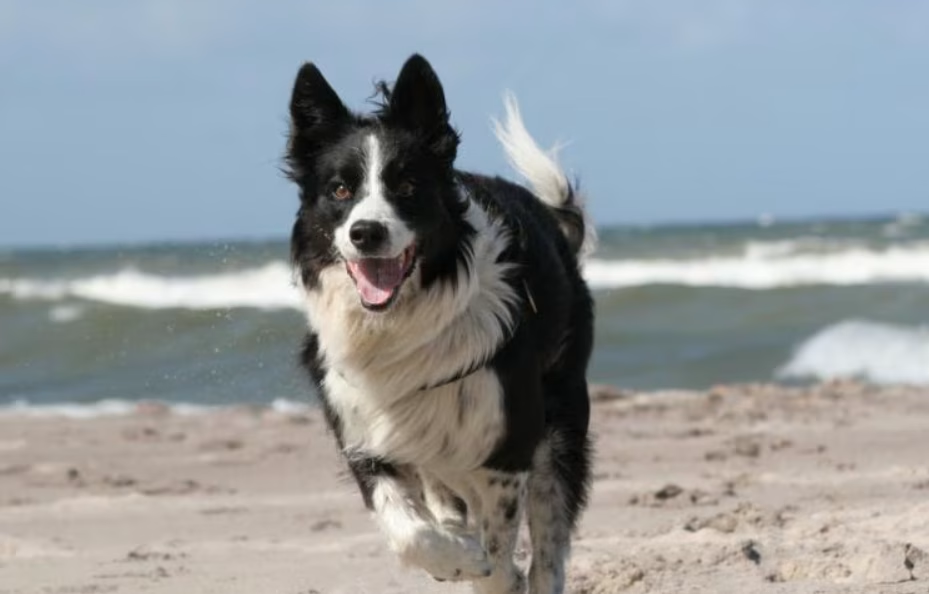
7. Labrador Retriever: America’s Favorite Smart Dog
Labrador Retriever has been America’s favorite for more than 30 years. They are very intelligent and friendly so they can fit into several different roles.
Why They’re Brilliant:
Labs make excellent guide dogs, detection dogs and therapy dogs. They are fast learners, quick workers and they take things in stride.
Personality Highlights:
Labs are friendly, reliable and patient. They love everyone they meet and are seldom aggressive.
Activity Level:
These high-energy dogs will need a daily outlet to release energy otherwise they can become bored and develop destructive habits. Thanks to their heritage as water retrievers, they love to swim.
8. Papillon: Tiny Body, Mighty Mind
Don’t underestimate this small breed! Named for their butterfly-esque ears, Papillons are some of the smartest dogs in the toy group.
Surprising Intelligence:
Papillons are ranked in the top 20 of canine intelligence. They are quick learners, have a high degree of instinctive intelligence and excel at agility sports.
Perfect For:
Apartment residents, senior citizens and families who desire a small dog with loads of character. They are portable and easy enough to take care of.
Social Requirements:
Papillons are social butterflies and they prefer to be with humans. When their people don’t pay attention, they feel bad.
9. Rottweiler: Large and Strong Guardian with a Keen Intelligence
Rottweilers are powerful, confident dogs and have proven their worth beyond question in rescue work. Initially employed to herd cattle and pull carts, they now make outstanding guard dogs and family members as well.
Intelligence in Action:
Rottweilers can be keenly perceptive and powerful observers, and can make quick cognizant decisions as situations demand. They’re calm, self-assured and unobtrusive about their watchfulness.
Training Essentials:
Rottweilers require early socialization and training. They do best with strong guidance, but they also benefit from a lot of positive reinforcement.
Family Integration:
When they are well-trained, Rottweilers are very good with children and other members of their families. They need leaders and order-givers.
10. Australian Cattle Dog: The Tireless Mind
Australian Cattle Dogs — or Blue Heelers, as they are commonly known — were originally bred to herd cattle in the rough Australian Outback. Their stamina matches their intelligence.
Mental and Physical Power:
These clever dogs are bred to work all day without getting tired. They are independent thinkers who know how to get themselves out of trouble even when they do what they’re told.
Best Environment:
Active and outdoorsy owners will appreciate Australian Cattle Dogs. They like to have a job, whether it’s herding, agility training or advanced obedience work.
Loyalty Factor:
These dogs can be very loyal and attached to their owners while others may be protective. Early socialization lets them grow to be all around good friends.
Intelligence Ratings At A Glance
| Breed | Learning Speed | Obedience Rate | Best Suited For | Exercise Requirements |
|---|---|---|---|---|
| Border Collie | Fastest | 95%+ | Active families, farms | Very High |
| Poodle | Very Fast | 95%+ | Families, therapy work | High |
| German Shepherd | Very Fast | 95%+ | Protection, police work | High |
| Golden Retriever | Fast | 90%+ | Families, therapy work | High |
| Doberman Pinscher | Very Fast | 90%+ | Protection, active owners | High |
| Shetland Sheepdog | Fast | 90%+ | Families, apartments | Moderate-High |
| Labrador Retriever | Fast | 90%+ | Families, service work | High |
| Papillon | Fast | 90%+ | Apartments, seniors | Moderate |
| Rottweiler | Fast | 90%+ | Protection, family | High |
| Australian Cattle Dog | Very Fast | 90%+ | Active owners, farms | Very High |
How to Pick an Intelligent Breed That’s Right for You
Choosing from among these smart breeds of dogs takes some honest self-assessment. Consider these factors:
Your Lifestyle
Do you work long hours? Do you move, or lead a sedentary lifestyle? Smart dogs require mental stimulation and high-energy breeds like Border Collies won’t do well in a home where they are not active.
Living Space
Although intelligence is not necessarily size-dependent, some dogs require more physical room than others. Australian Cattle Dogs need space to run, and Papillons do well in apartments.
Experience Level
First-time owners might choose Golden Retrievers or Labrador Retrievers, both of which are forgiving to train. Rottweilers and other tough breeds are for experienced owners.
Family Situation
Families with young children will do well with breeds that are patient, such as Golden Retrievers. Singles or couples can appreciate the strong connection of German Shepherds or Dobermans.
Training Tips for Smart Dogs
The downside of smart dogs is they are fast learners, which means they learn how to do things you don’t want them to do. Here’s how to keep them engaged:
Start Early
Start training and socialization as soon as you welcome your puppy home. Smart breeds like to soak up knowledge during their critical formation days.
Use Positive Reinforcement
Intelligent dogs are more responsive to reward-based training. Rewards, praise and fun interactions make learning enjoyable and foster stronger relationships.
Keep Sessions Short
There’s only so much attention even smart dog breeds can handle. Several 10-15 minute sessions a day can be better than hour-long sessions.
Provide Mental Challenges
Puzzle toys, hide-and-seek games and adding new commands help smart dogs keep their minds busy. Boredom leads to destructive behavior.
Be Consistent
Smart dogs will test boundaries. Keep rules consistent and make sure everyone in the house enforces them.
Frequent Pitfalls As A Smart Dog Owner
Underestimating Their Needs
Most people pick smart breeds without understanding how much mental stimulation they take. A smart dog is a bored dog, and a bored dog is a destructive one.
Inconsistent Training
Smart dogs figure out inconsistency quickly! If you allow them on the couch but not all of the time, they will be puzzled and annoyed.
Not Providing a Job
Working breeds need purpose. With nothing to do, they will invent their own “work”—frequently something you’ll find less than appealing.
Expecting Too Much Too Soon
Even though these are fast- or rapid-learning breeds, they’re still dogs. Patience and reasonable expectations are key to successful training.
Positive reinforcement can change your pet’s behavior forever 💡 Find out how.
Health and Care Considerations
Regular Exercise
All breeds we surveyed require regular physical activity. This is both good for them and prevents them from becoming obese, keeping their mental acuity up.
Preventive Healthcare
Talented dogs live longer with a good grooming regimen. Regular vet checkups, shots and dental care are important investments in your pet.
Mental Health Matters
Depression and anxiety can plague intelligent dog breeds that are not given the stimulation they require. Pay attention to behavior and handle it early on.
Nutrition
The brain and body deserve good food. Consult your vet to determine the perfect diet for your particular breed. For more information about caring for your intelligent companion, explore additional resources on dog health and wellness.

FAQs About Intelligent Dog Breeds
Q: Do smart dogs take longer to train?
A: Not necessarily. Smart dogs certainly learn quicker, but they may also be more stubborn or independent. They all need effective, repetitive ways to train.
Q: Is an old dog from a smart breed able to learn new tricks?
A: Absolutely! Puppies will learn more quickly, but adult dogs from intelligent breeds are capable of learning new tricks as long as there is proper motivation.
Q: Is a smart dog more in need of attention than other breeds?
A: Yes, generally they do. Smart breeds need more mental stimulation and interaction in order to be happy, well-balanced down the road.
Q: What is the best smart breed for a first-time owner?
A: Golden Retrievers and Labrador Retrievers are excellent choices. They are forgiving during training, friendly and adaptable.
Q: Can smart dogs be left alone while at work?
A: It varies by breed and dog. Indeed, most “smart” breeds have a difficult time being left alone for long periods of time without mental stimulation. Use puzzle toys, a dog walker or doggy daycare.
Q: Is a mixed breed that has one of these smart dogs intelligent as well?
A: Often yes! Mixed breeds which inherit intelligence from their equally intelligent parents usually have similar mental capabilities.
Q: How much does an intelligent dog breed cost to own?
A: There are several hundred to several thousand for purebreds. Annual costs include food ($500 to $1,500), vet care ($500 to $1,000), and training or enrichment.
Q: Are intelligent breeds more yappy than other breeds?
A: Not necessarily. How much a dog barks isn’t so much the result of intelligence as breeding, training and environment. Shelties are barkers, but Goldens tend to be quiet.
Conclusion: Choosing Your Ideal Smart Partner
Smart dog breeds offer the possibility of great companionship, versatility and even constant joy. From the energetic Border Collie to the placid Golden Retriever, every breed has something different to offer. The secret to success is in pairing yourself up with the right breed based on your lifestyle, experience and what you expect from a dog.
Bear in mind that along with intelligence comes responsibility. These intelligent dogs do best with active, involved owners who can provide mental stimulation, consistent training and lots of love. When you are able to accomplish this, your intelligent dog breed will be the most fulfilling pet that is imaginable.
Whether you love the protective nature of German Shepherds, the playful spirit of Poodles, or devotion to your family that comes with Rottweilers, there’s an intelligent breed out there for you. Spend time researching, meet several of each breed in person and speak with those who work for rescue organizations or otherwise represent the breeds.
The way of the intelligent dog breed will test you, train you and love you. These amazing creatures do more than follow orders — they become lifelong partners in your life’s greatest adventure.
Choose well, practice without ceasing and have fun with your awesome doggy!