The gentle rumble of a purring cat has captivated humans for thousands of years, yet this seemingly simple vocalization remains one of the most complex and fascinating aspects of feline behavior. While most people associate purring with contentment and happiness, the reality is far more nuanced and intriguing than you might imagine.
Cat purring serves as a sophisticated communication system that extends well beyond expressing satisfaction. Understanding these hidden meanings can transform your relationship with your feline companion, helping you respond more appropriately to their needs and recognize when purring might signal something unexpected.
Recent scientific research has revealed that cats use purring in ways that would surprise even the most experienced cat owners. From self-healing mechanisms to manipulation tactics, the reasons behind your cat’s purr are as diverse as they are remarkable. Let’s explore the seven hidden meanings behind this mysterious feline behavior that every cat parent should understand.
The Science Behind Cat Purring: More Than Just Sound
Before diving into the various meanings, it’s essential to understand how cats actually produce this remarkable sound. Unlike human speech or dog barking, purring involves a complex coordination between the brain, nervous system, and specialized anatomical structures that scientists are still working to fully comprehend.
The purring mechanism begins in your cat’s brain, which sends repetitive signals to the muscles surrounding the larynx and diaphragm. These muscles contract and relax approximately 20 to 25 times per second, creating vibrations that resonate through your cat’s entire body. The frequency typically ranges between 20 and 50 hertz, though individual cats may vary slightly in their personal purring signature.
What makes purring truly unique among animal vocalizations is that cats can maintain this sound continuously while breathing both in and out. This remarkable feat requires precise muscular control and explains why purring can continue for extended periods without interruption, unlike other sounds that require specific breathing patterns.
The vibrations created during purring don’t just produce the audible rumble we hear – they create therapeutic frequencies that may promote healing and pain relief. This discovery has led researchers to investigate whether the specific frequency range of cat purring might have evolutionary advantages for both cats and the humans who live alongside them.
Hidden Meaning #1: Self-Healing and Pain Management
Perhaps the most remarkable hidden meaning behind cat purring involves its potential therapeutic properties. Scientific studies have revealed that the specific frequencies produced during purring may actually promote bone healing, reduce pain, and accelerate recovery from injuries.
The frequency range of cat purring, typically between 20-50 Hz, falls within the same range that medical professionals use for therapeutic treatments in humans. These low-frequency vibrations have been shown to stimulate bone growth, reduce inflammation, and promote the healing of soft tissues. For cats, this means purring might serve as a built-in healing mechanism that helps them recover more quickly from injuries or illness.
Veterinarians have long observed that cats seem to heal faster than many other animals of similar size, and purring may contribute to this phenomenon. When your cat purrs while resting after surgery or during illness, they might be instinctively activating their body’s natural healing processes. The vibrations created by purring could increase blood flow, reduce swelling, and even help maintain bone density during periods of reduced activity.
This self-healing aspect of purring also explains why cats often purr when they’re in pain or distress, which initially seems counterintuitive. Rather than expressing happiness, they may be attempting to comfort themselves and promote healing through the therapeutic vibrations their purring creates throughout their body.
Hidden Meaning #2: Stress Relief and Anxiety Management
While many people assume cats only purr when happy, research has shown that purring serves as a powerful stress management tool that cats employ during challenging or overwhelming situations. This coping mechanism helps explain why some cats purr during veterinary visits, car rides, or other stressful experiences that clearly don’t make them happy.
The act of purring releases endorphins in your cat’s brain, creating a natural calming effect similar to how humans might use meditation or deep breathing exercises. These feel-good chemicals help reduce cortisol levels and promote relaxation, making purring an effective self-soothing behavior that cats can access whenever they feel anxious or overwhelmed.
Cats may begin purring as soon as they anticipate a stressful situation, such as when they see their carrier being prepared for a trip to the vet. This preemptive purring helps them manage their anxiety before the stressful event even begins. Understanding this can help cat owners recognize when their pets are feeling anxious, even if they appear calm on the surface.
The stress-relief function of purring also extends to social situations with other cats or humans. A cat might purr during initial introductions to new family members, while being petted by unfamiliar visitors, or when establishing hierarchy with other household pets. In these contexts, purring serves as both a self-calming mechanism and a communication tool that signals non-aggressive intentions.
Hidden Meaning #3: Attention-Seeking and Manipulation
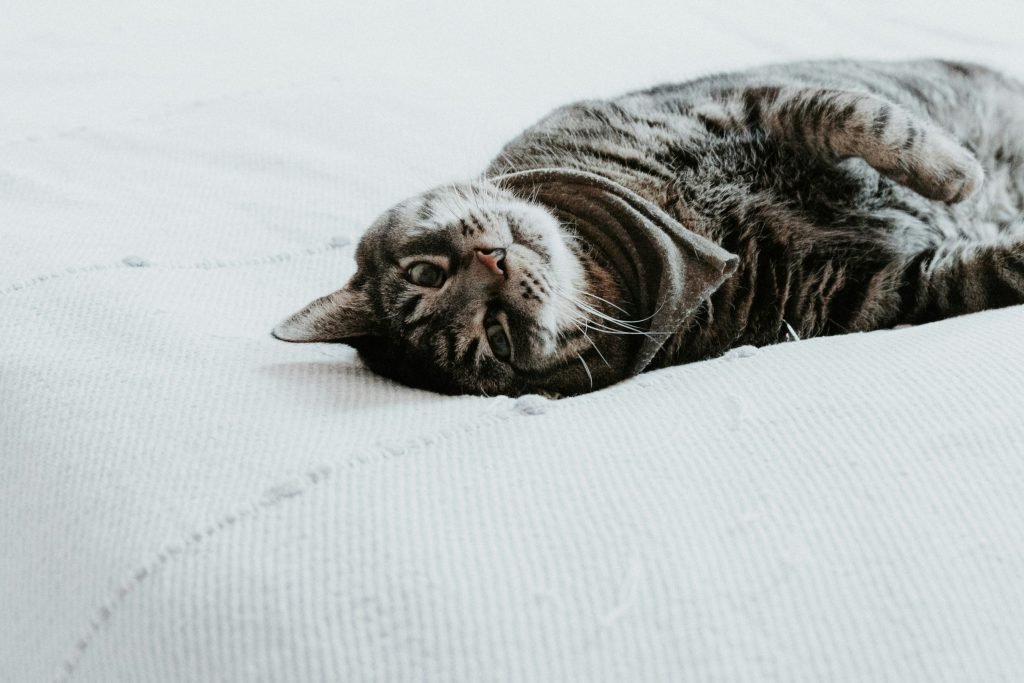
Cats are remarkably intelligent creatures who have learned to manipulate their purring to achieve specific outcomes, particularly when it comes to getting attention or resources from their human companions. This sophisticated use of purring demonstrates just how well cats understand human psychology and emotional responses.
Many cat owners report that their pets have developed specific “attention-seeking purrs” that differ from their contentment purrs. These manipulative purrs often incorporate other vocalizations, such as chirps, trills, or even subtle meows, creating a sound that humans find particularly appealing and difficult to ignore. Researchers have termed this phenomenon “solicitation purring,” recognizing it as a learned behavior that cats develop to communicate effectively with humans.
The timing of attention-seeking purrs is rarely coincidental. Cats often employ this tactic when they want food, playtime, or simply when they desire human interaction. They may position themselves strategically – perhaps on your keyboard while you’re working or beside your pillow early in the morning – and begin their irresistible purring campaign.
What makes this behavior particularly effective is that it triggers nurturing responses in humans. The frequency and rhythm of purring can actually influence human brain waves, promoting feelings of calm and contentment that make us more likely to respond positively to our cat’s requests. This creates a rewarding cycle where cats learn that purring leads to desired outcomes, reinforcing the behavior over time.
Hidden Meaning #4: Mother-Kitten Communication
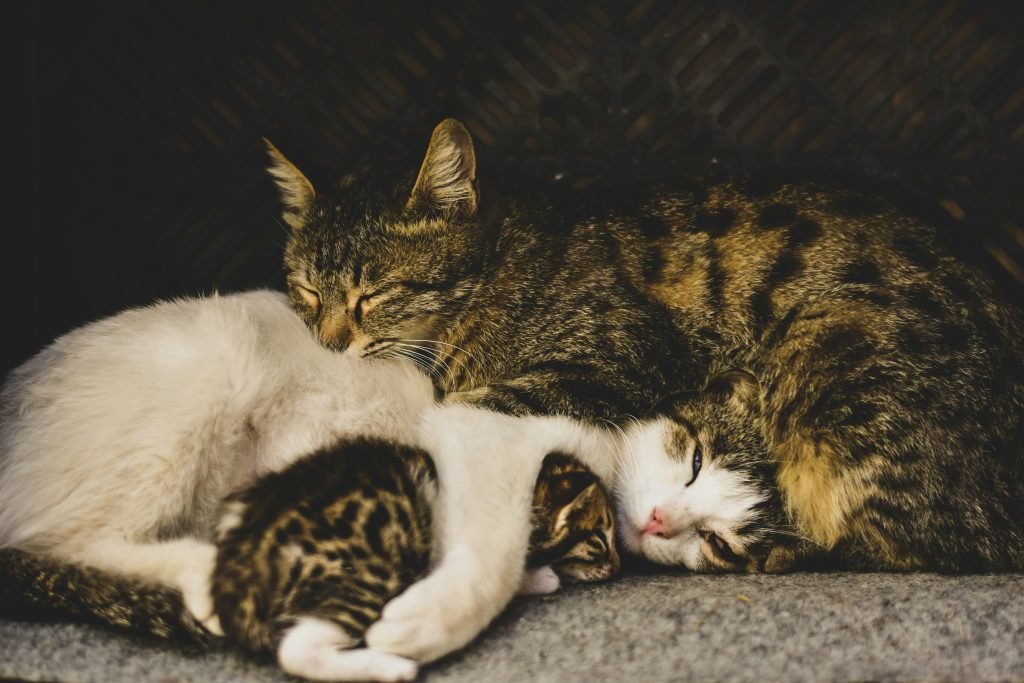
The purring behavior begins incredibly early in a cat’s life and serves crucial functions in mother-kitten relationships that extend far beyond simple communication. Newborn kittens are born deaf and blind, making purring one of their first methods of connecting with their mother and littermates through vibrations they can feel rather than sounds they can hear.
Mother cats begin purring during labor and delivery, creating vibrations that help guide newborns toward warmth and milk. These vibrations serve as a homing beacon for kittens who must rely on tactile sensations to navigate their world during their first weeks of life. The purring continues during nursing sessions, creating a calming environment that promotes successful feeding and bonding.
Kittens typically begin attempting to purr within their first 48 hours of life, though their early attempts are often weak and inconsistent compared to adult purring. This early purring serves multiple functions: it signals to the mother that the kitten is content and healthy, helps maintain physical contact during nursing, and may even stimulate milk production through the vibrations created against the mother’s body.
The mother-kitten purring dynamic also plays a role in teaching social behaviors and communication patterns that kittens will use throughout their lives. Kittens learn to associate purring with safety, comfort, and positive social interactions, establishing neural pathways that influence how they’ll use purring in their adult relationships with both cats and humans.
Hidden Meaning #5: Territory Marking and Social Hierarchy
While scent marking gets most of the attention when discussing feline territorial behaviors, purring also plays a subtle but important role in establishing and maintaining social hierarchies among cats. This function of purring is particularly evident in multi-cat households where complex social dynamics constantly evolve.
Dominant cats may use confident, loud purring to assert their status, particularly around resources like food bowls, favorite sleeping spots, or human attention. This assertive purring often accompanies other dominant behaviors like head butting, kneading, or positioning themselves in prominent locations. The message is clear: this confident cat feels secure in their position and wants others to acknowledge it.
Conversely, subordinate cats might use softer, more tentative purring as a appeasement signal when approaching dominant cats or contested resources. This submissive purring often accompanies lowered body posture, slow movements, and averted eye contact. It serves as a way of saying, “I’m not a threat, please allow me to approach.”
The territorial aspect of purring becomes particularly apparent when cats are scent-marking through rubbing. As they deposit their scent on furniture, doorways, or their favorite humans, many cats purr simultaneously. This combination of scent marking and purring creates a multi-sensory territorial claim that reinforces their ownership of specific spaces or relationships.
Hidden Meaning #6: Hunting and Prey Drive Expression
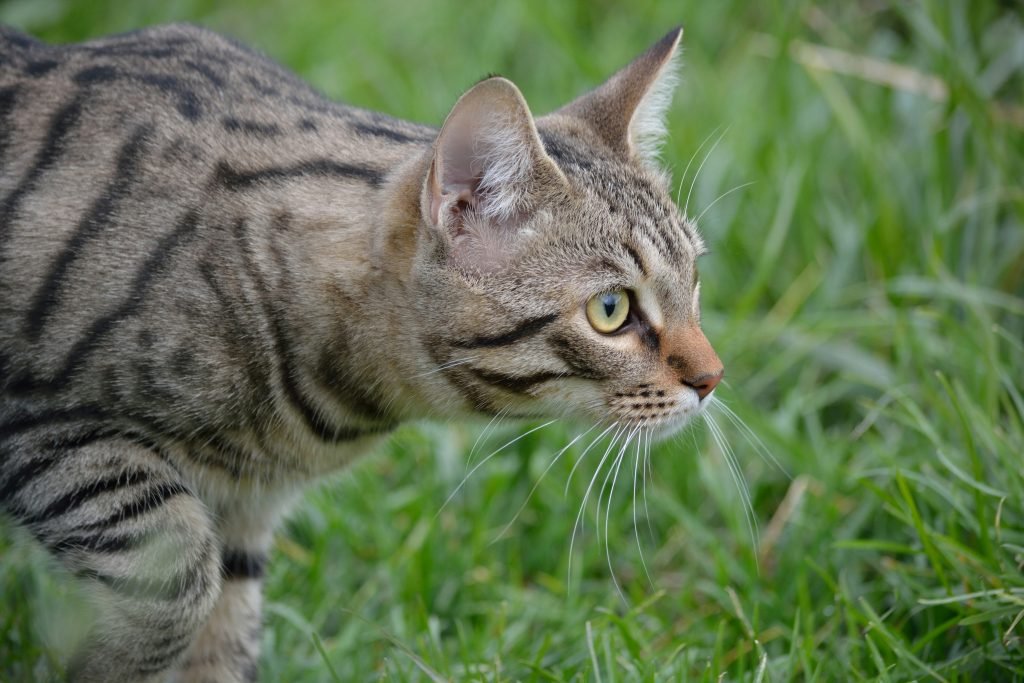
One of the most surprising contexts for cat purring occurs during hunting behaviors, revealing a hidden meaning that many cat owners never witness. Cats may purr while stalking prey, during the capture process, or even while consuming their catch, suggesting that purring serves functions related to their predatory instincts.
The purring that occurs during hunting appears to serve multiple purposes. First, it may help cats regulate their excitement and maintain focus during the intense concentration required for successful hunting. The calming effects of purring could prevent overstimulation that might interfere with the precise timing and coordination needed to capture prey.
Some researchers theorize that purring during hunting might also serve as a form of self-reward system, reinforcing successful predatory behaviors through the release of endorphins. This could explain why some cats purr while playing with toys that simulate hunting scenarios, even when no real prey is involved.
Indoor cats who never hunt real prey may still exhibit this hunting-related purring during interactive play sessions with feather wands, laser pointers, or other prey-simulating toys. Observant owners might notice their cats beginning to purr as they enter hunting mode, continuing throughout the “capture” of their toy prey, and sometimes even while carrying their conquered toy to a safe location.
Hidden Meaning #7: Sleep Preparation and Comfort Regulation
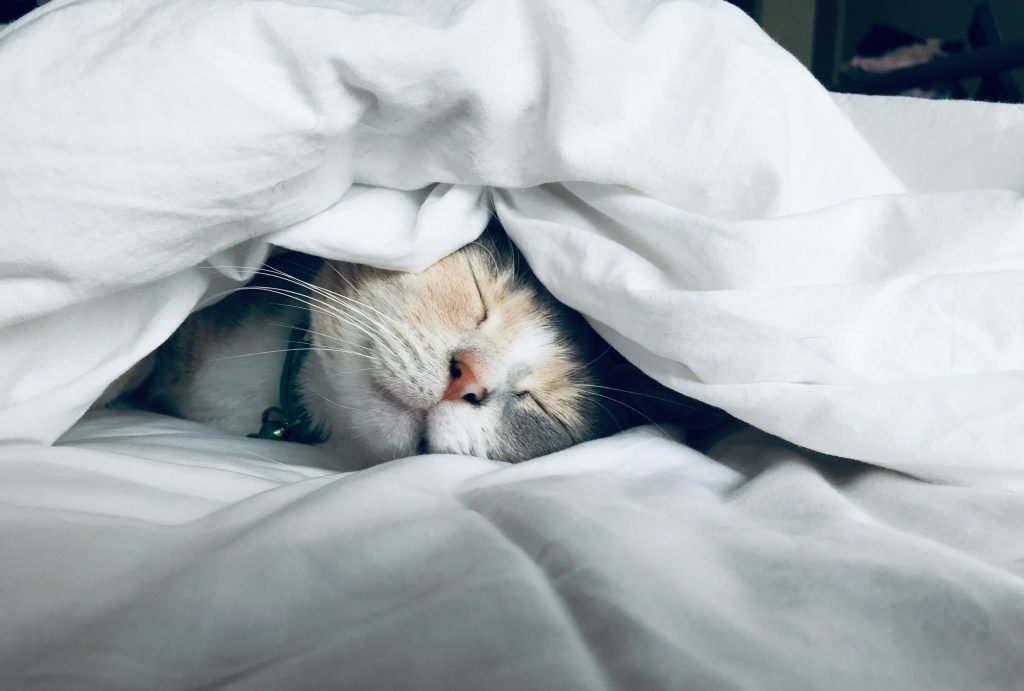
The relationship between purring and sleep represents another fascinating hidden meaning that reflects cats’ sophisticated approach to comfort and rest. Many cats engage in specific purring behaviors as part of their pre-sleep routines, using the vibrations and associated endorphin release to prepare their bodies and minds for rest.
Pre-sleep purring often coincides with other comfort behaviors like kneading blankets, circling to find the perfect position, or grooming. This combination of activities helps cats transition from active alertness to the relaxed state necessary for deep, restorative sleep. The rhythmic nature of purring may actually help regulate heart rate and breathing, creating optimal physiological conditions for sleep.
The thermoregulatory aspect of purring during sleep preparation is particularly interesting. The muscle contractions involved in purring generate slight amounts of heat, which may help cats maintain optimal body temperature as they settle in for rest. This could explain why purring often intensifies when cats are seeking warm spots or snuggling against heat sources.
Sleep-related purring also serves social functions when cats share sleeping spaces with humans or other pets. The vibrations and sound of purring can create a calming environment that promotes relaxation for all parties involved, explaining why many people find the sound of a purring cat conducive to their own sleep quality.
When Purring Might Signal Health Concerns
While purring is generally a positive behavior, understanding when it might indicate health problems is crucial for responsible cat ownership. Excessive purring, changes in purring patterns, or purring accompanied by other concerning symptoms can sometimes signal underlying medical issues that require veterinary attention.
Cats experiencing pain or illness may purr more than usual as they attempt to self-soothe and promote healing. However, this increased purring often differs qualitatively from contentment purring – it may sound strained, occur at unusual times, or be accompanied by changes in posture, appetite, or behavior. Learning to recognize these subtle differences can help you identify when your cat needs medical care.
Respiratory issues can also affect purring quality and frequency. Cats with upper respiratory infections, asthma, or other breathing difficulties may struggle to maintain their normal purring patterns, producing sounds that seem weak, interrupted, or labored. Any sudden changes in your cat’s ability to purr normally warrant veterinary evaluation.
Senior cats may experience changes in their purring as they age, just as they might develop changes in other vocalizations. While some variation is normal, dramatic alterations in purring behavior could indicate cognitive changes, sensory decline, or other age-related health issues that benefit from professional assessment.
Understanding Your Individual Cat’s Purring Patterns
Every cat develops unique purring characteristics that reflect their personality, experiences, and relationships with their human family. Learning to interpret your specific cat’s purring language requires careful observation and attention to context, timing, and accompanying behaviors.
Some cats are naturally more vocal and expressive with their purring, while others reserve this behavior for specific situations or relationships. Shy or anxious cats might purr less frequently in general but use purring more intensively during stressful situations as a coping mechanism. Confident, social cats might purr readily in various contexts, making it important to pay attention to subtle variations in tone, intensity, and duration.
The development of your cat’s purring vocabulary also evolves over time as they learn what works effectively with their human companions. Cats are remarkably adaptive in their communication strategies, often developing personalized approaches that reflect their unique relationship with each family member.
Environmental factors can also influence purring patterns. Cats who live in quiet households might develop softer, more subtle purring styles, while those in busy, noisy environments might purr more loudly or frequently to compete for attention. Multi-cat households often see more complex purring dynamics as cats navigate social relationships and resource competition.
Responding Appropriately to Different Types of Purring
Understanding the hidden meanings behind your cat’s purring enables you to respond more effectively to their communication attempts, strengthening your bond and improving their overall wellbeing. Different types of purring call for different human responses, and learning these distinctions can make you a more attentive and responsive cat parent.
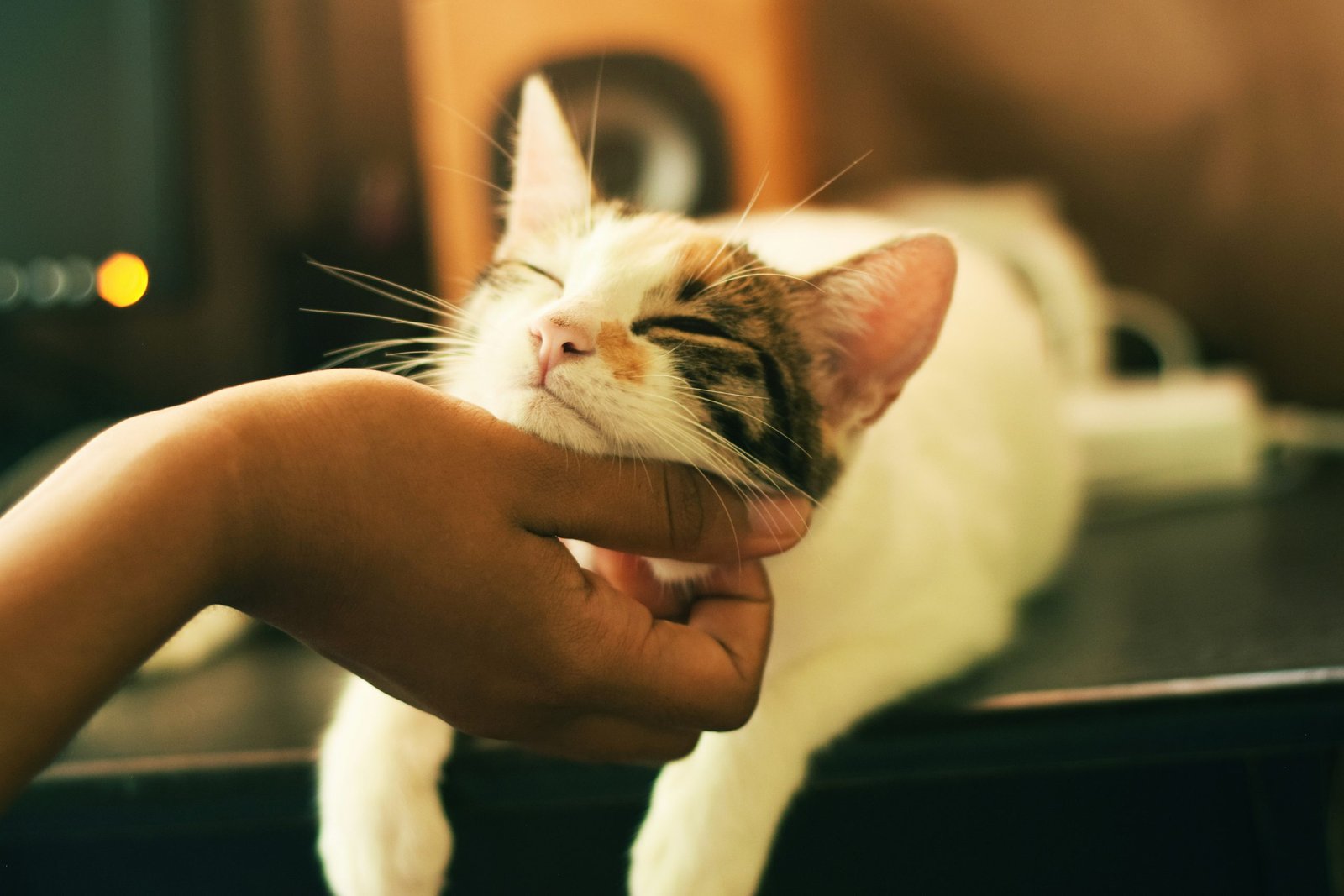
When you recognize contentment purring – typically occurring during petting, relaxation, or comfortable social interactions – the appropriate response usually involves continuing whatever positive interaction is happening. This might mean maintaining gentle petting, speaking softly, or simply remaining present and calm to preserve the peaceful moment.
Attention-seeking purring often requires more discerning responses. While it’s tempting to immediately gratify every purring request, consistently rewarding manipulative purring can lead to demanding behavior patterns. Instead, consider whether your cat’s request is reasonable and respond accordingly, sometimes offering alternative activities or affection rather than immediately providing food or other resources.
Stress-related purring calls for gentle comfort and environmental management. Rather than overwhelming an anxious cat with attention, provide calm presence and remove stressors when possible. Creating safe spaces where your cat can retreat and self-soothe through purring often proves more effective than forced interactions.
The Future of Feline Communication Research
As our understanding of cat purring continues to evolve, researchers are discovering even more sophisticated aspects of this remarkable behavior. Current studies are exploring how cats might modify their purring frequency and intensity based on their audience, whether they can learn to purr in response to specific human cues, and how purring might influence the health and wellbeing of the humans who live with cats.
Advances in technology are allowing scientists to analyze purring with greater precision, potentially revealing even more hidden meanings and functions. High-resolution audio analysis, combined with behavioral observation and physiological monitoring, is providing unprecedented insights into the complexity of feline communication.
The therapeutic applications of purring frequencies are also generating increased research interest. Some medical professionals are investigating whether exposure to purring cats might provide health benefits for humans, particularly in areas like stress reduction, pain management, and healing promotion.
Conclusion: Appreciating the Complexity of Your Cat’s Communication
The next time your cat begins to purr, take a moment to consider the rich complexity behind this seemingly simple sound. Whether they’re expressing contentment, seeking attention, managing stress, or engaging in any of the other sophisticated behaviors we’ve explored, purring represents just one facet of your cat’s remarkable communication abilities.
Understanding these seven hidden meanings behind cat purring can transform routine interactions into meaningful conversations with your feline companion. By paying attention to context, timing, and accompanying behaviors, you’ll develop a deeper appreciation for your cat’s intelligence and emotional sophistication.
Remember that every cat is unique, and learning your specific pet’s purring language takes time and careful observation. The investment in understanding these subtle communications pays dividends in the form of a stronger, more responsive relationship with your feline friend.
As research continues to reveal new insights into feline behavior and communication, our appreciation for the complexity and intelligence of cats continues to grow. Purring, far from being a simple expression of happiness, emerges as a sophisticated tool that cats use to navigate their world, manage their health, and maintain their relationships with both humans and other cats.