Does your dog ever chew up your favorite shoes or does your cat swipe things off the counter? These problematic behaviors are commonly a result of pets not receiving adequate mental enrichment in their normal lives. Just as humans need to exercise their brains, even our four-legged friends can benefit from some mental workouts.
Think about it. Your pet spends all day waiting for you to come home. When deprived of proper mental engagement, they get bored, anxious and sometimes even depressed. In this article, we will explain why exercising your pet’s brain is just as important as exercising their limbs and how you can make their lives more enriching (and fun) for it.
What Exactly Is Mental Stimulation?
Mental stimulation refers to activities that make your pet think, problem-solve and use their natural instincts. It’s not just a matter of tossing the ball or taking a walk. It’s making experiences that challenge their brain to keep them engaged.
When animals use their minds, they are exercising their thinking muscles. This can include memory, attention, learning new skills or making choices. A mentally stimulated pet is a happy one because it’s doing what nature made it do.
The Scientific Basis Behind Brain Health For Pets
Studies have demonstrated the mental benefits of exercising animals: Those that get routine workouts and, in particular, regular mental challenges remain sharper as they age. Their brains stay sharper longer, the way that crossword puzzles can help elderly humans retain mental acuity.
Researchers have found that mental activities cause new pathways to form in a pet’s brain. These pathways allow them to learn, remember and adapt to new circumstances. However, just like how your muscles will atrophy if you don’t use them, lack of mental stimulation may result in degraded neuro-connectivity.
Why Your Pet Desperately Needs Brain Work
Mental stimulation for pets is not a luxury — it’s a requirement. Here’s why your precious pooch definitely needs it:
Prevents Destructive Behavior
Bored pets are destructive pets. When dogs and cats do not have good ways to get out mental energy, they make their own entertainment. This often means:
- Furniture, shoes or objects being chewed upon
- Excessive barking or meowing
- Digging up your back yard or carpet
- Scratching doors, walls, or furniture
- Getting into the trash or cupboards
These are not your pet “misbehaving.” They’re just trying to give the old brain something to chew on. Most of these are problems that can be infuriating and that’s where by giving them proper mental challenges, you get rid of most.
Reduces Anxiety and Stress
Anxiety is a fact of life for many pets, especially when left alone. Mentally stimulating activities can also dampen down anxious feelings as they become absorbed in something positive. Brain games for pets trigger a release of endorphins in the body — it’s that same blast of feel-good chemicals humans experience after a workout.
A tired pet is a happy pet. A mentally tired pet is often a calm one! In general, their pacing, whining or other sign of separation anxiety is usually reduced when their brains are tired.
Strengthens Your Bond
It creates memories between you and your pet when you are playing with them. The shared experiences engender trust and deepen your relationship. Your pet learns to think of you as a source of engagement and excitement, not just food and shelter.
Improves Physical Health
Mental enrichment can be physical for pets as well. When your dog sniffs out a treat in a scent game, or your cat pounces on a toy at the end of a string, they’re using their brains as well as their brawn. This promotes complete wellness for your pal.
How To Know When Your Pet Needs More Brain Workouts
How can you tell if your pet needs more brain work? Watch for these warning signs:
Behavioral Red Flags:
- Too much sleeping (above average for their age and breed)
- Following you from one room to another
- Whining, barking or meowing for no reason
- Rough play that seems aggressive
- Lack of interest in what they would normally enjoy
- Chewing fast or begging for food all the time
If you see a number of these signs, it’s likely that your pet is crying out for more mental stimulation.
Different Pets, Different Needs
Not all pets need the exact same type or amount of mental stimulation. Here’s the breakdown, by species:
Dogs: The Problem-Solvers
Dogs were raised to interact with humans. Many breeds were bred to do certain jobs, whether it was herding, hunting or guarding. Even if your dog spends all day lazing about on the couch, his or her DNA hungers for mental stimulation.
Working breeds such as Border Collies, German Shepherds and Australian Shepherds require far more mental engagement than laid-back breeds like Basset Hounds or Bulldogs. Nevertheless, all dogs will benefit from brain activity irrespective of their breed.
Cats: The Independent Thinkers
Cats may appear to sleep 16 hours a day, but their active time demands quality mental engagement. Cats are predatory animals and their sharp brains are equipped for stalking, attacking and using plenty of tactics to catch prey.
Indoor cats in particular need mental stimulation as they’re not able to partake of natural behaviors outside such as hunting. If not sufficiently enriched, they get bored and can have behavioral problems.
Other Pets Matter Too
Birds, rabbits, guinea pigs and other small pets require mental stimulation as well. Birds can even learn tricks and solve puzzles. Rabbits enjoy exploring new environments. Even fish do well with diverse tank decorations and feeding habits that require them to “hunt” for their food.
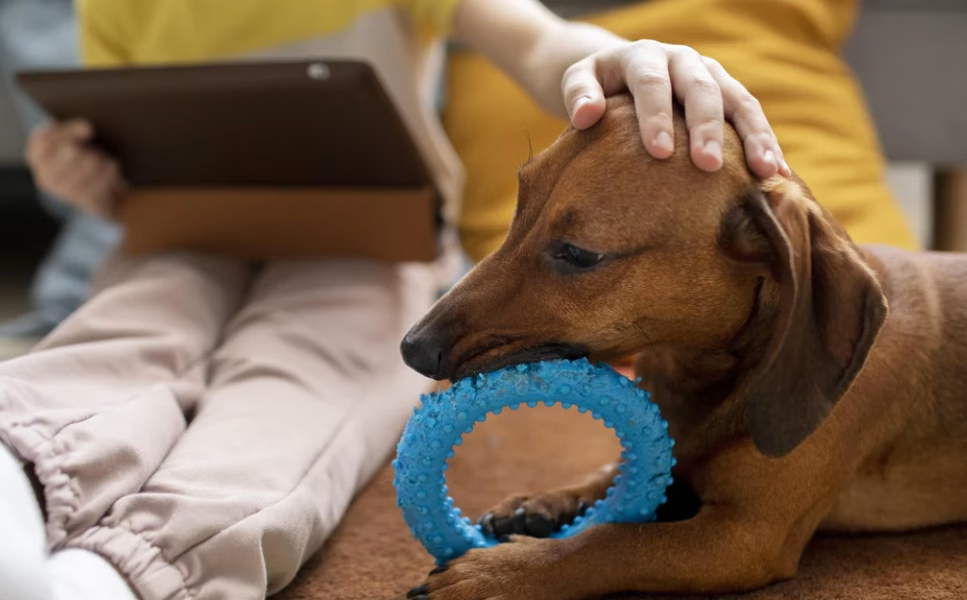
Simple Ways To Give Your Pets A Mental Workout
It doesn’t take expensive gear or hours of time to keep your pet’s brain engaged. Here are some actionable steps that do work:
Puzzle Toys and Food Games
Puzzle feeders turn mealtime into a fun game. Rather than gorging food in seconds from a dog bowl, it sets the challenge of extracting food from the toy and this purely depends on our pets’ action. This helps to challenge and stimulate problem solving skills and also slows the rate at which pets eat.
Popular puzzle toy options:
- Kong toys stuffed with frozen treats
- Snuffle mats with fabric folds that require snuffling to extract food
- Treat balls filled with tiny morsels of food released when rolled
- Sliding puzzle boards with compartments
- Do-it-yourself puzzles using muffin tins and tennis balls
Scent Work and Nose Games
A dog’s nose is 10,000 to 100,000 times more sensitive than a human’s nose. Scent games do a great job of accessing that amazing capability, serving up challenging mental workouts.
Hide treats around your house and encourage your pet to search for the goodies. Begin easy, then step up the difficulty of their hiding places as they get better. You can also train them to search for items by scent.
Cats enjoy scent games too. Try rubbing some catnip or silvervine on toys and hiding them for your cat to find.
Training New Tricks
Training of commands and tricks is a great mental exercise. The learning process forms new brain connections and gives your pet a sense of achievement.
Don’t restrict what you’re training them to sit and stay. Teach fun tricks like:
- Shaking paws or high-five
- Rolling over or playing dead
- Spinning in circles
- Fetching specific items by name
- Opening and closing doors or drawers
Training sessions should be brief (5–10 minutes), but frequent. Short, rapid sessions work far better than one long one because they keep your pet interested and excited.
Rotation Toys
When you have 50 toys always out none of them are special. Keep most toys put away and rotate what’s available. Rotate “new” toys every couple of days. Your pet will enjoy renewed interest in treasures they have not played with for a while.
Social Interaction
Most pets receive outstanding mental stimulation from playing with other animals. Take your dog to the park or arrange a playdate with another friendly dog. Perhaps cats could benefit from limited interaction with cat-friendly cats.
Even watching wildlife from windows exercises our pets’ brains. Install bird feeders outside of windows that cats or dogs have access to where they can watch the action without getting hurt. For more tips on keeping your pet happy and healthy, visit Daily Paw.
Age-Specific Mental Stimulation Strategies
Puppies and Kittens
Young animals have developing brains that require continuous, gentle stimulation. Focus on:
- Short, positive training sessions
- Safe exploration of new environments
- Socialization with various people and animals
- Simple age appropriate puzzle toys
- Supervised play and exploration with different textures and objects
Don’t overwhelm young pets. Keep your sessions short and always end on a positive note.
Adult Pets
Adult animals can cope with more elaborate challenges. This is the perfect time to:
- Introduce advanced puzzle toys
- Teach complex tricks and commands
- Make scent games more challenging
- Get into dog sports such as agility or nose work classes
- Provide interactive play sessions daily
Senior Pets
Older pets require mental stimulation as well, but tailor activities to their physical limitations. Focus on:
- Gentle puzzle toys that use little to no physical energy
- Easy scent games that do not include stairs or jumping
- Reviewing the old tricks that they already know
- Careful, safe exploration of new areas
- Be patient with their speed—they may be slower at solving puzzles, but still love them
Mental conditioning is especially beneficial for senior pets, as it helps to slow age-related cognitive decline and keeps their minds sharp in old age.
Creating a Mental Stimulation Schedule
Routine is important when giving the dog a mental work out. Here’s a sample daily schedule:
| Time | Activity | Length of time |
|---|---|---|
| Morning | Puzzle feeder breakfast | 10-15 minutes |
| Mid morning | Training | 5-10 minutes |
| Afternoon | Scent game or treasure hunt | 10-15 minutes |
| Evening | Interactive play or walk | 20-30 minutes |
| Before bedtime | Chew toy or gentle puzzle | 15-20 minutes |
Modify this timetable according to your pet’s energy, age and breed needs. High-energy working breeds may require twice that, while laid-back types might need less.
Common Mistakes to Avoid
Exercising Too Much From The Body, Neglecting The Mind
Exercising your dog for miles does not necessarily ensure a calm pet at home. They will still have surplus mental energy to expend, without intellectual challenges. Balance is key.
Making Puzzles Too Difficult
If a pet fails at the puzzle level they’ll become frustrated. Begin easy and work your way up as they get better. Success fosters confidence and fuels interest.
Inconsistency
A weekly dose of mental stimulation isn’t going to cut it. Your pet needs daily brain workouts as much as they need food and water. Make it part of your routine.
Forgetting Indoor Pets
Cats and dogs who live indoors require even more mental work than their outdoor counterparts, since they are denied the same level of exploring and hunting in nature.
Not sure if your pet needs to see a vet? 🚑 These signs can help you decide.
Cheap and Easy DIY Mental Enrichment Ideas
Fancy toys are not expensive things that you need to purchase. Try these homemade options:
Cardboard Box City: Form a maze of boxes for your cat to run through. Or, cut holes between boxes and let them climb through.
Muffin Tin Puzzles: Put treats in muffin tin cups, cover with a tennis ball. Your dog has to pull the balls out for the reward.
Frozen Treats: Freeze treats or kibble in ice cubes or ice blocks. Your pet will need to lick and figure out how to get the goods on the inside.
Paper Bag Surprise: Place treats in a paper bag along with some crinkled up newspaper. Allow your pet to destroy it and uncover the treasure.
Towel Roll Treat Game: Roll treats in a towel. Your pet will have to unroll it to get at the rewards.
The Long-Term Benefits You’ll Notice
Here’s what you can expect when you commit to adding regular mental stimulation for pets:
Behavioral Improvements:
- More peaceful behavior around your home
- Calmer demeanor during alone time
- Better focus during training
- Reduced anxiety in stressful situations
- More appropriate play behavior
Health Benefits:
- Improved weight control from eating more slowly
- Improved sleep patterns
- Stronger immune system as a result of lower stress
- Sharper mind and memory with brain-boosting exercise
- Increased lifespan in some studies
Relationship Benefits:
- Stronger bond with you and your pet
- More mutual trust and respect
- Better communication and understanding
- More enjoyable time together
- A happier life for both human and animal
Frequently Asked Questions
How much mental exercise does my pet need a day?
Most companion animals require at least 15-30 minutes of focused mental stimulation each day, spread out through a couple of brief sessions. High energy breeds or working dogs might require 60 minutes or more. Observe your pet’s behavior to determine if they need more or less.
Does mental activity replace physical exercise?
No, they complement each other but can’t substitute one for the other’s effects. Physical activity exercises their body, while mental stimulation exercises your pet’s mind. Both are necessary for full health.
What if my pet does not enjoy puzzle toys?
Begin by using simpler puzzles and increase their rewards. Fill them with their favorite treats, rather than plain kibble. First demonstrate how the toy functions. A few pets require time to figure it out and learn to love it.
Can you have too much brain food?
Yes, but it’s rare. If your pet is resistant to activities it used to enjoy or seems anxious during brain games, those could be signs. If this is the case, decrease the frequency or level of challenge and try to end sessions on a positive note.
Do some dog breeds require a different amount of mental exercise?
Absolutely. Herding dogs, like Border Collies, Belgian Malinois and German Shepherds require more than twice as much mental stimulation as companion breeds like Pugs or Cavalier King Charles Spaniels. Research your specific breed’s needs.
Can old dogs — and cats along with them — learn new tricks, and new puzzles?
Yes! Old dogs — and cats and guinea pigs and other senior pets — can learn new tricks. It may be harder for them but it’s most important for them from a brain perspective as they age to have a mental workout to prevent cognitive decline.
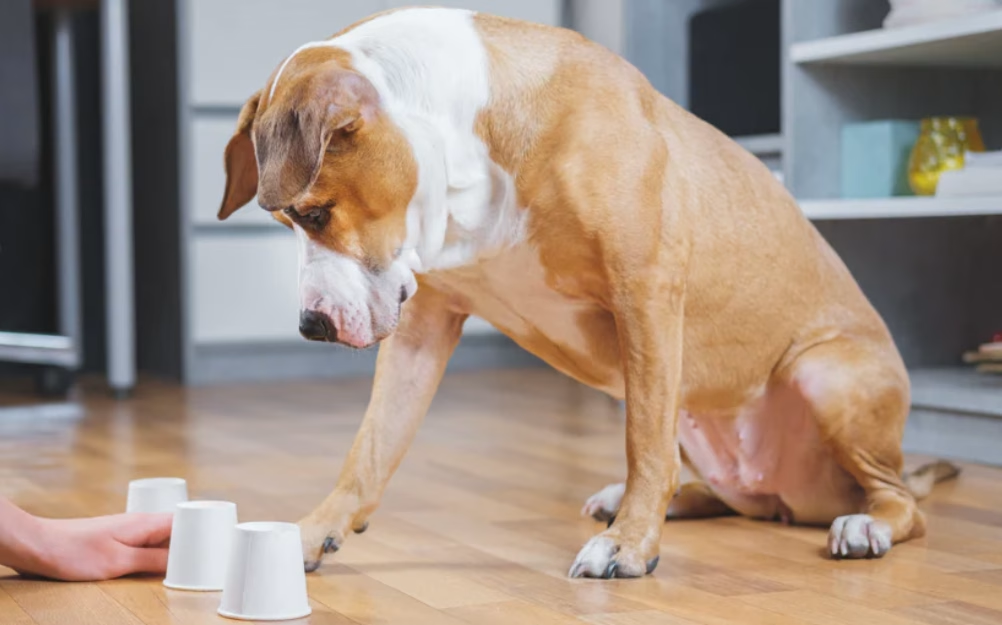
Wrapping It All Up
Mental stimulation for pets isn’t an option—it’s a necessity that every pet deserves. From keeping your pet out of trouble to cementing the bond between you and your companion, the benefits are countless.
If you are new to offering mental enrichment, begin small. Include one puzzle toy or one training session into your schedule this week. Next week, add another activity. It will not be long before stimulation of your pet’s mind will feel as natural as walking the dog, or feeding it.
Remember, a tired mind is a happy pet. By spending time exercising your pet’s brain, you are also investing in their happiness, health and quality of life. You will get it back tenfold in better behavior, deeper bonding and years of happy companionship with a mentally healthy, fulfilled animal.
Your pet relies on you for everything — food, shelter and love, as well as mental stimulation. When we know what their cognitive needs are and can help fulfill them, we give them the full life they deserve. Begin today, and see your furry friend become their best, happiest self.