
Why Daily Exercise is Important for Your Dog
Introduction
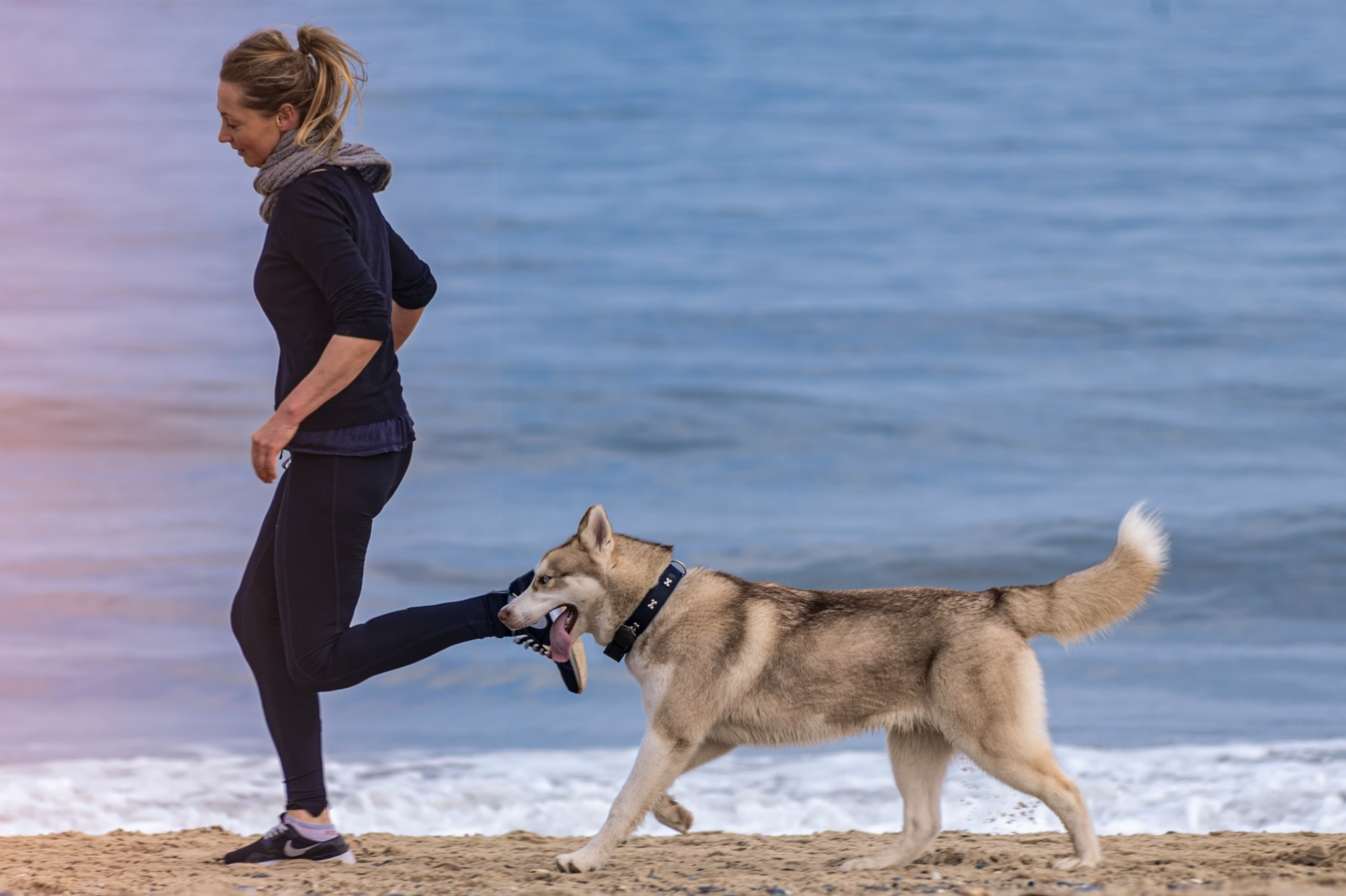
Like all dog owners, you want your furry friend to enjoy a long and healthy life. One of the easiest and most potent ways to do this is through consistent, natural exercise. Dog exercise benefits are much greater than energy burning alone — exercising your dog plays a huge role in every part of your pet’s well-being, from physical health to mental state.
Consider how you feel after spending all day on the sofa compared to taking a quick walk outdoors. Dogs go through a similar gulf, only worse. Without proper exercise dogs may suffer from a host of other physical problems such as obesity, diabetes, heart disease and stress. Below, we’ll take a look at precisely what makes it necessary for your four-legged friend to get that daily exercise and how it changes their life.
Whether you own a pint-size Chihuahua or giant Great Dane, being cognizant of the need for exercise will make you a more informed pet parent. Now, let’s explore the amazing ways in which daily exercise can add to your dog’s quality of life.
Physical Benefits That Will Keep Your Dog Strong
The Development of the Heart and Lung
Dogs need cardiovascular exercise to have a strong heart and efficient lungs just like us. Daily walks, runs or playtime gets your dog’s heart rate up and their blood circulating throughout their body. This helps develop the heart muscle and circulation.
Dogs who get regular workouts are at decreased risk for heart disease and breathing issues. Their bodies get better at delivering oxygen to muscles and organs. This translates into improved stamina, more energy, and a healthier system overall.
Even moderate activity like a 30-minute walk can be transformative. In time, those daily sessions condition your dog’s lung and heart strength, and the stamina to increase their longevity.
Weight Management and Obesity Prevention
You’d think one of the most noticeable dog exercise benefits is that you’ll keep your dog at a healthy weight and, indeed, it is. Obesity in our canine companions has become a serious epidemic, with half of all dogs being overweight. All this extra weight puts huge pressure on joints, organs and health in general.
When you work out daily, you’re burning calories and avoiding fat production. When paired with the appropriate diet, your dog’s daily activity will help maintain his optimal weight. This lowers your risk of diabetes, joint problems and numerous other weight-related issues.
A fit dog is a happy dog. They are free to move around, play without experiencing pain and engage in activities that obese dogs cannot participate in. Your pet will live longer and be healthier if you combat obesity with daily exercise.
Stronger Muscles and Flexible Joints
Exercise strengthens and maintains muscle tone all over your dog’s body. And strong muscles maintain good posture, protect your joints, and make everything you do on a daily basis feel easier. This is particularly relevant as dogs become older, when they experience natural loss of muscle tone.
It also helps keep our joints limber and well lubricated. Motion prompts the release of synovial fluid that lubricates joints and minimizes friction. This supports the prevention of arthritis and ensures your dog remains mobile well into old age.
Instead, the use of various exercises is recognized to promote musculoskeletal comfort. The variety works different muscle groups and prevents your dog’s body from becoming imbalanced.
Miracles From Physical Activity for Mental Health
Reducing Anxiety and Stress Levels
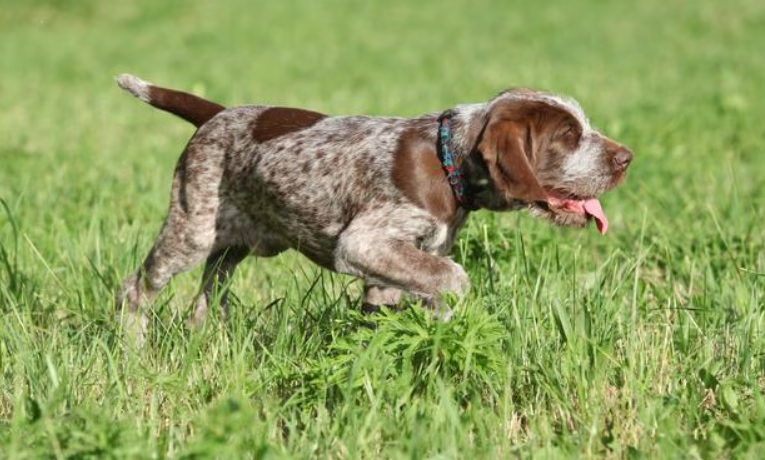
Dogs are prone to stress and anxiety like humans. Exercise is the natural stress reliever, releasing feel-good chemicals called endorphins in your dog’s brain. These are natural mood lifters that fight against anxiety and produce a calming sensation.
Exercise gives you a chance to work out nervous energy as well. Dogs who get regular exercise display less signs of stress such as panting, pacing or whining. At home, they are more relaxed and capable of managing challenging situations.
The dog exercise benefits for mental health are immeasurable. Loads of behavior problems are a result of excess energy that just needs to be exercised out. The old adage “a tired dog is a happy dog” applies here.
Fighting Boredom and Depression
Dogs are very smart animals and they need a lot of stimulation both physically and mentally. When they don’t get enough, they get bored, and perhaps depressed. This can result in self-harm, loss of appetite and withdrawal from friends.
Physical exercise and engaging the mind go hand-in-hand. Walking exposes your dog to unfamiliar sights, sounds and smells which are all mentally stimulating. Play sessions engage and exercise their mind, problem-solving skills.
A consistent exercise routine provides dogs with something to expect each day. This routine helps bring structure and direction, which are critical for mental health. Generally, dogs with active lives are happier and more involved with their families.
Improving Sleep Quality
Tired dog = good night’s rest. Just like us, a well-exercised dog gets better quality sleep. Exercise fatigues the body and assists in regulating sleep. Dogs that are well exercised sleep more easily and enjoy a deeper, more restful sleep.
Better sleep is better health, plain and simple. While sleeping, dogs’ bodies heal and repair tissue, process their day’s activities in the form of dreams, metabolize their food and bolster their overall immune systems. Dogs also need good quality rest otherwise they too can be grumpy and susceptible to illness.
If your dog is having difficulty settling down at bedtime, they may need more daytime activity. The dog exercise benefits to sleep are one of the first you’ll see.
Behavior Transformation Through Movement
Decreasing Destructive Habits
Bite marks on furniture, claw marks on doors and shredded cushions may be signs that an animal isn’t getting enough exercise. This is how dogs are, they have extra energy that needs to go somewhere and escape somehow. If they don’t get the right amount of physical activity that gets followed by less desirable activities — I am talking about things like finding outlets for destruction and stealing.
With a daily workout, you can channel that energy in a constructive direction. A dog that has expended energy running, playing and sniffing is not going to go around your house looking for destruction because boredom or frustration. They just don’t have the surplus energy to get into trouble.
A lot of dogs who wind up being labeled as “stubborn or spiteful” are just really under-exercised. Typically, I just have to refer the child to physical therapy and encourage more daily activity and most of these problems resolve without training or anything fancy.
Improving Training and Obedience
If you want to make your dog’s training more effective, practice it when he is tired. It focuses your dog better, decreases hyperactivity and makes him more inclined to learning. They’re less anxious under training sessions and are better able to focus on commands.
Hell, it helps you bond with your dog, too. Time spent together walking or playing develops trust and respect. This structure in the relationship causes your dog to be much more willing to listen to your commands and obey them.
When one’s workout is also training, both activities are optimized. Give commands during walks, work on new tricks during playtime and see your dogs reinforce their obedience while they get fit.
Reducing Aggression and Reactivity
Aggressive tendencies can be exacerbated through the lack of opportunity to exercise and may become reactive towards other dogs or people. Frustration and energy pent up can be expressed as growling, lunging or lots of barking. Such behaviors put dogs and their owners under stress.
Having an exercise routine is a great way to let out your emotions in a healthy manner. Dogs learn to calm themselves and build impulse control. They grow more grounded and less influenced by what is going on around them.
Exercise has a calming effect which is often enough for an aggressive dog to become balanced. While exercise won’t cure every aggression problem, it is an essential piece of any behavior modification plan.
Social Skills Development Through Activity
Building Confidence in Different Environments
Exercise gets dogs out to new locations, around new people and experiences. This seeming exposure enhances confidence and reduces concern with novelty. Dogs become more flexible with varying conditions.
Confident dogs tend to be friendlier and more social. They’re also less likely to respond fearfully or aggressively during situations they don’t understand. This makes visits to the vet or travel less stressful for all involved.
The advantages of the dog exercise get spread also on socialization when you change places for your exercises. Add to this the fact that parks, trails, neighborhoods and pet friendly stores can all serve as a classroom for your dog.
Encouraging Positive Interactions With Others
Time exercising, particularly at dog parks or on group outings, teaches valuable social skills. Puppies learn good play behaviors, communication signals and appropriate interaction with other dogs.
These social contacts help to ward off isolation and loneliness. Being pack animals, dogs love being part of a family. They are emotionally healthy and well-adjusted because they get to socialize regularly when they exercise.
Even if your dog doesn’t directly play with other dogs, the exposure to different dogs and people on walks alone acts as social time. This commences them to being a well-rounded social dog.
Learn the best grooming hacks every dog owner should know ✂️ Read them here.
How Much Exercise Does Your Dog Really Need?
Factors That Determine Exercise Requirements
Not all dogs require the same amount of physical activity. Tread carefully with the amount of exercise based on age, breed, size, and health status. A young Border Collie requires significantly more exercise than an elderly Bulldog.
It will vary on the dog’s size and age, however active breeds such as Huskies, Australian Shepherds or Retrievers can require 60 – 120 minutes of vigorous physical activity every single day. Medium-energy breeds, for example, may require 30-60 minutes while low-energy breeds could be perfectly happy with 20-30.
Puppies should have shorter, but more frequent exercise throughout the day. Their bodies are growing too much to take marathon walks, but their need for multiple playtimes is unending throughout the day. Older dogs still crave momentum, but they can’t keep up for as long or at the same breakneck pace.
How Do You Know When Your Dog Needs More Exercise?
Dogs tell you they need more exercise. Keep an eye out for these telltale signs: excessive barking, destructive chewing that has gotten worse recently, pacing and other signs of hyperactivity inside, weight gain, getting antsy at night (having trouble staying settled when everyone else is trying to sleep) or attention-seeking behavior.
Some dogs get submissive or listless if under-exercised. Some may appear depressed, lose interest in things they previously enjoyed or sleep more than is typical for them. These more subtle signs are just as important as the overt hyperactivity.
If you are experiencing behavior problems or a change in your dog’s demeanor, look to their exercise routine first. Plenty can be solved when your dogs get more physical exercise.
Creating the Perfect Exercise Schedule
| Dog Size/Energy Level | Daily Exercise Time | Recommended Activities |
|---|---|---|
| Small/Low Energy | 20-30 minutes | Short walks, gentle play |
| Small/High Energy | 45-60 minutes | Brisk walks, fetch, agility |
| Medium/Moderate Energy | 45-60 minutes | Regular walks, swimming, hiking |
| Medium/High Energy | 60-90 minutes | Running, extensive play or sports |
| Large/Low Energy | 30-45 minutes | Walk more steadily and light play |
| Large/High Energy | 90+ minutes | Running, high-intensity activities |
Consistency matters more than intensity. Two half-hour walks can often beat a single 60-minute session. Exercising in short bursts throughout the day avoids strain and loss of energy.
Fun Things to Do With a Dog
Traditional Activities With a Twist
Walking is sneakily the best form of exercise for dogs, but you can spice things up a bit. Alternate routes, change the pace a little bit, add some training commands or let your dog take the lead every now and then. Urban exploring brings new sites and smells.
Fetch games are fantastic for a lot of dogs. Have them play fetch, or toss balls, frisbees, or other toys that they love. Throw uphill or into shallow water to increase difficulty. Exercises like hide-and-seek with toys or treats entwine the mental and physical demands.
Tug is great exercise as long as it’s played with rules. It’s muscle-building and instinct-satisfying, while also positively reinforcing your bond. Just make sure your dog knows “drop it” commands to keep play safe and supervised.
Advanced Exercise Options
Low-impact exercise is ideal for your dog! For more expert guidance on pet care and wellness tips, visit Daily Paw for comprehensive resources.
Agility training is mental and physical. Creating basic obstacle courses in your backyard or enrolling into agility classes allows for a structured form of exercise combined with mental enrichment. This is great for smart, active breeds.
Dog sports, such as flyball, dock diving or disc dog competitions help burn energy in a directed way. These team sports are fun for both your dog and community members, plus they offer task-oriented exercise that satisfies dogs’ instinctive drives.
Indoor Exercise Solutions
Don’t let bad weather deter your exercise routine. Indoor activities can help keep dogs busy when outdoor ones aren’t possible. Work on the stairs, playing indoor retrieve with soft toys, recall down the hallway.
Treadmill training can be an adjunct to outdoor exercise, especially for high-energy dogs. Start slowly and always supervise. Treadmill time is fun for some dogs once they become acclimated to the equipment.
Interactive puzzle toys offer mental exercise that can be just as tiring for dogs, if not more, than physical activity. Dog toys that dispense food, snuffle mats and puzzle games also stimulate problem solving in dogs to keep them entertained.
Considerations for Particular Life Stages
Puppy Exercise Guidelines
Puppies are full of energy but have growing bodies. The rule of thumb is five minutes a month of age, twice daily. A puppy of 3 months or so needs roughly 15 minutes a couple of times per day.
Concentrate on moderate activities and not repetitive stress. Limit jumping and running on hard surfaces until growth plates close, at around 12-18 months. Puppy playtime should not be tiresome, it should be fun.
Physical exercise also pairs well with “mental” stimulation through training and socialization of young dogs. Training basic commands and introducing pups to new experiences promotes mental growth in addition to exercises.
Senior Dog Activity Needs
Older dogs still require exercise, but routines ought to change with their evolving abilities. Less frequent and shorter walks reduces the potential for overexertion. Swimming can be a joint-friendly mode of exercise for senior citizens with arthritis.
Look out for symptoms of tiredness such as panting heavily, limping or a failure to continue. Senior dogs fatigue sooner and require more recovery time. Please adapt intensity and duration to your dog’s individual capacity.
The benefits of running with a dog are still important later in life. Exercising senior dogs helps preserve muscle mass, joint mobility and cognitive function. Regular moderate exercise can prolong life, and the quality of life.
Exercise for Dogs With Health Problems
Medical conditions do not necessarily take exercise off the table, but they do require adjustments. Dogs with heart conditions, arthritis or respiratory problems require exercise plans that are tailored to their limitations and must be approved by a vet.
Many dogs that have difficulty walking enjoy low-impact activities like swimming or slow walks. There are physical therapy exercises that veterinarians can prescribe to build strength in targeted areas safely.
As always, be sure to consult your vet before trying out new exercises with dogs that have health issues. Professional consultation makes sure activities are supporting rather than sabotaging your dog’s state.
Common Exercise Mistakes to Avoid
Pushing Too Hard Too Fast
Then again, common sense should not be overridden by zeal for fitness. Doing too much, or pushing too hard will result in injuries and fatigue, which is often followed by quitting. Do not go too fast, and gradually increase your distance over several weeks, especially with sedentary dogs.
Look for signs of overexertion: heavy panting that lingers, lagging behind, limping or collapsing. These are signals that you’ve crossed a line. Cease at once and give the hands a chance to rest.
Keep in mind that dog exercise benefits from regular, proper activity— not from extreme excesses that do more harm than good. Slow progress is steady, safe progress that can provide long-lasting fitness anyway.
Ignoring Weather Conditions
Hot pavement scorches paw pads and overheating leads to health emergencies. In summer, schedule walks early morning or in the evening. Always bring water and look out for signs of heat stress, such as heavy drooling or confusion.
Cold weather requires different precautions. Protective clothing may be necessary for small dogs, those of short-haired breeds and senior arthritic canines. Ice melting products can sting paws, so wash feet after winter walks.
Modify workout schedules according to weather conditions. Indoor things to do are just the ticket when outdoor weather is treacherous. A happy dog outside is no good if it’s not a safe one, so don’t ever put sticking to normal routines above your dog’s safety.
Neglecting Mental Stimulation
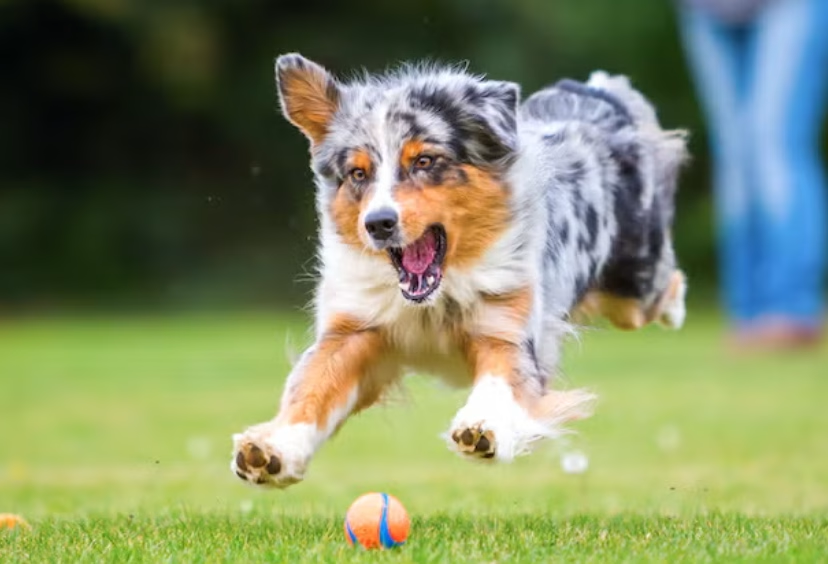
Dogs become only partially satisfied with physical exercise alone, without something to solve mentally. Intelligent breeds, in particular, do require mental exercise in addition to physical activity. Fatigue doesn’t lead to good behavior — just in bored minds.
Train, problem-solve, or experience new things when exercising. Sniffing walks where dogs can sniff and explore at their own pace are amazing for mental wear and tear. New environments exercise brains while they work the bodies.
A balanced workout caters to both the physical and mental needs. By looking at the whole dog you can finally achieve total dog fitness and make happy, well adjusted dogs.
Frequently Asked Questions
How much time should I walk my dog each day?
For the most part, dogs require anywhere from 30 minutes to two hours of activity every day depending on their breed, age and overall energy level. Breeds that are very high energy may need more exercise and smaller or senior dogs might need less. The most effective way to exercise is to break your session up into a few smaller sessions throughout the day.
Is it possible for my dog to get too much exercise?
Sure, overexercising can result in injuries, joint strain and exhaustion. Signs range from panting that won’t quit to limping, an unwillingness to move or changes in behavior. Ramp up exercise intensity slowly and look for signs that you are overdoing it.
What is the best exercise for senior dogs?
Light activities such as leisurely walks, swimming and gentle play are best for senior dogs. Concentrate on exercises which are low impact, those that keep you mobile without over-stressing aging joints. This type of short duration, high frequency prevents over exertion and fatigue while keeping the older dog active.
How much exercise do small dogs need versus large dogs?
Not necessarily. Although petite dogs have tiny legs, numerous small breeds are very high energy and require significant exercise. A Jack Russell Terrier more often than not requires much more exercise than a Great Dane. It’s the breed energy level that counts as opposed to just size.
How can I tell if my dog is getting enough exercise?
An adequately exercised dog is relaxed inside, stays fit, sleeps calmly and does not show negative behavior. They should appear happy and relaxed most of the time, bucking up their energy for specific play or exercise times.
What if I can’t walk my dog every day?
Enlist a dog walker, leverage doggy daycare or schedule playdates with other pup owners. You can also add mental stimulus with puzzle toys and training sessions. Being consistent is the most important—find something that works so your dog can keep getting his or her workout.
Conclusion
The wonderful benefits of exercising your dog extend into all areas of their life, from physical health to emotional health. It’s not just something that can make your dog’s life more pleasant each day, but it is necessary for a long, happy and healthful one.
You give your dog vitality by meeting its unique needs and establishing regular exercise. Morning strolls, afternoon romps, and evening excursions add up to your dog enjoying life.
Begin today, even if you can manage only a short walk around the block. Your dog will repay you with better behavior, good health and loyal companionship. And keep in mind, a tired dog is not just a good dog… they are balanced, fulfilled members of the pack – and that means you too!
Schedule daily exercise as an absolute must. Furry pals like yours rely on you for their health and happiness, and regular exercise is one of the most loving things that you can give.